Skip to content
Animals Top
Home>Animals>Mammal>Carnivora
Animal Profile IUCN: LC

Aonyxcapensiscongica

Aonyxcapensiscongica,Congo small-clawed otter, Cameroon clawless otter

The Zaire small-clawed otter is also known as the Congo small-clawed otter (Aonyx capensis congica) and the Cameroon clawless otter. It is a subspecies of the African small-clawed otter. Its habits are unknown. They are threatened by habitat loss.Listed in Appendix I, Appendix II and Appendix III of

Carnivora 634 views
Scientific Name Aonyxcapensiscongica,Congo small-clawed otter, Cameroon clawless otter
Length 40-60cm
Weight 2-5kg
Lifespan No verification information
IUCN Status LC
Advertisement

Table of Contents

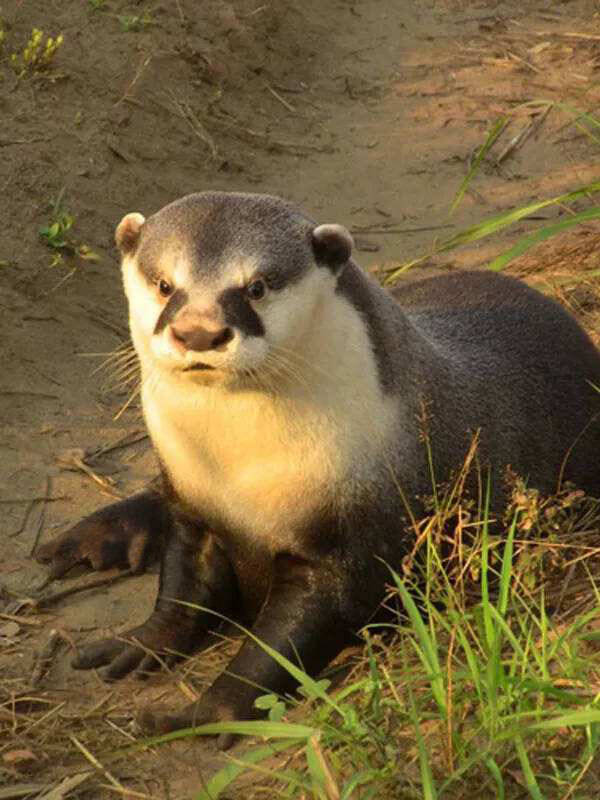
    The Zaire small-clawed otter is also known as the Congo small-clawed otter (Aonyx capensis congica) and the Cameroon clawless otter. It is a subspecies of the African small-clawed otter. Its habits are unknown. They are threatened by habitat loss.
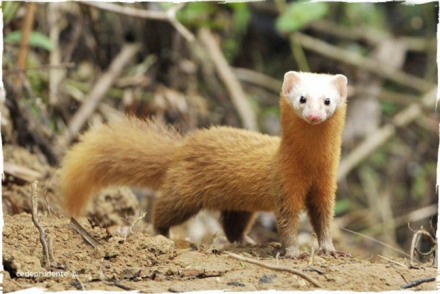
    a1189482a647027a92d88b2f0752aae2_九雷图片转化为.jpeg

    Listed in Appendix I, Appendix II and Appendix III of the 2019 edition of the Convention on International Trade in Endangered Species of Wild Fauna and Flora (CITES).


    Protect wild animals and stop eating game.

    Maintaining ecological balance is everyone's responsibility!

    At a glance

    Profile Details

    Key characteristics, appearance, and habitat information.

    Traits & Behavior

    A subspecies of the African small-clawed otter

    Appearance

    The shape is wide and round, the snout is shortened, and the orbits are wide. The skull is pear-shaped.

    Distribution & Habitat

    They are found in Cameroon, the Republic of Congo, the Democratic Republic of Congo and Gabon, and possibly in Angola, Burundi, the Central African Republic, Equatorial Guinea, Nigeria, Rwanda and Uganda.
    They inhabit a variety of subtropical or tropical environments, including forests, mangroves, swamps, mountains and lakes.
    Advertisement

    Visual guide

    Browse available images of this species.

    Quick answers

    Aonyxcapensiscongica FAQs