Why Did Sacabambaspis Go Extinct? What Fossils Really Show
Why did Sacabambaspis go extinct? Fossils show a local mass-death event in Bolivia, but the true cause of the genus’s extinction remains uncertain.
Read article →Explore fossil discoveries, extinct species, evolution and the history of life on Earth.
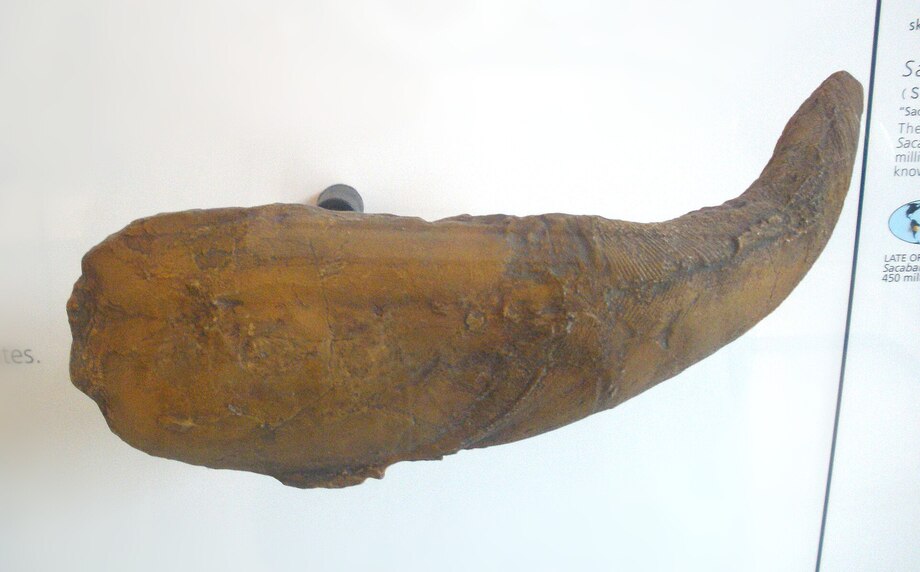
Why did Sacabambaspis go extinct? Fossils show a local mass-death event in Bolivia, but the true cause of the genus’s extinction remains uncertain.
Read article →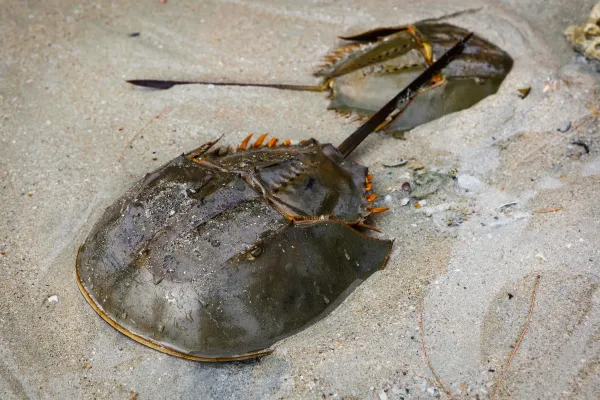
The American horseshoe crab, Limulus polyphemus, is often described as one of Earth’s most ancient-looking animals. Despite its common name, it is not a true crab. Horseshoe crabs are arthropods more closely related to ···
Read article →
Life on Earth has changed dramatically over hundreds of millions of years. If we could travel back more than half a billion years, we wouldn’t recognize many of the organisms living in the oceans—and we might even deba···
Read article →
The goblin shark is one of the ocean’s strangest predators. With a blade-like, elongated snout, semi-translucent pink skin, and a protrusible, slingshot-style jaw, it looks like it swam out of a sci-fi movie. Yet each o···
Read article →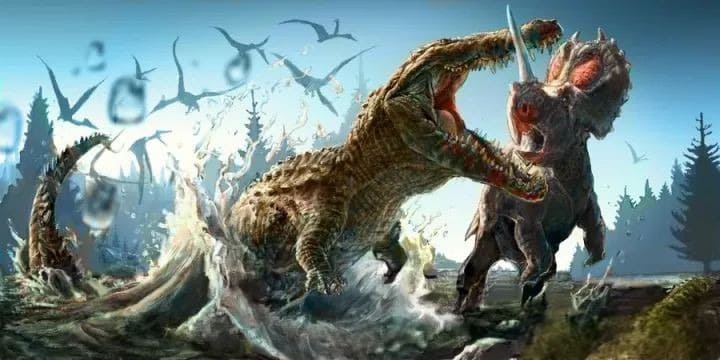
Deinosuchus (“terrible crocodile”) was a colossal crocodylian within the Alligatoroidea superfamily that prowled eastern North America during the Late Cretaceous (about 80–73 million years ago). It ranks among the lar···
Read article →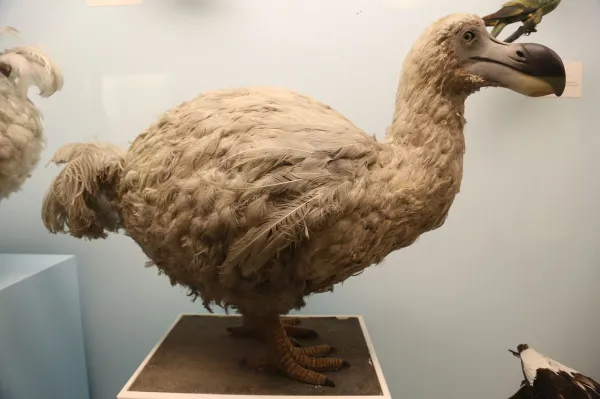
You’ve probably heard of the dodo bird, a now-extinct species that today can only be seen in museums. Popular culture often portrays it as a fat, clumsy bird, sometimes even in movies or cartoons. But beyond this carica···
Read article →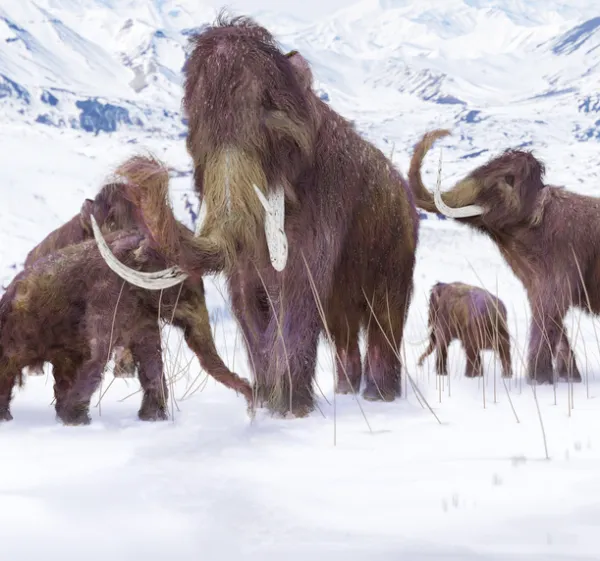
The mammoth, a giant mastodon that roamed the Earth during the Ice Age, is one of the most iconic and charismatic extinct animals. With their massive size and long, curved tusks, they became a symbol of prehistoric megaf···
Read article →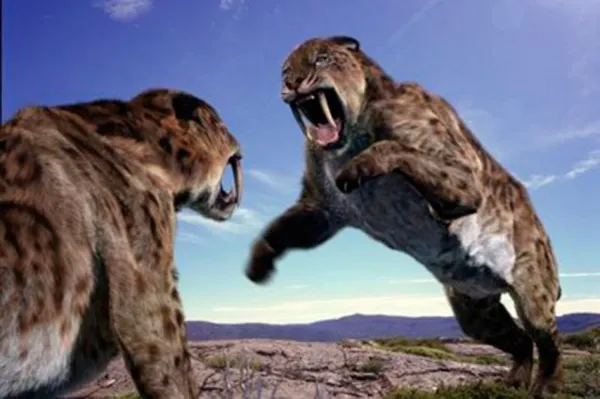
When we hear the name saber-toothed cat (often popularly called the saber-toothed tiger), many of us think of Diego, the friendly predator from Ice Age. In reality, this term does not refer to a single species, but rathe···
Read article →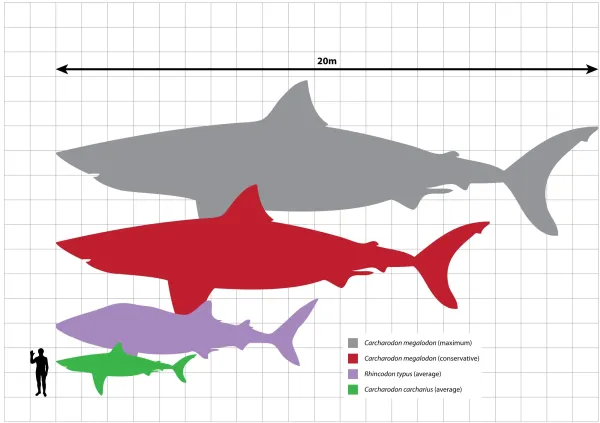
Among all the creatures that have ever lived in Earth’s oceans, few inspire as much awe and fear as the Megalodon shark (Carcharodon megalodon). This prehistoric predator, famous for its massive teeth and formidable siz···
Read article →
You’ve probably heard that dragons are mythical creatures — after all, a flying, fire-breathing reptile sounds like pure fantasy. But what if science tells a different story? While no fire-breathing dragons have ever b···
Read article →
Millions of years ago, Earth looked very different from what we know today. Dramatic changes in climate shaped unique and diverse forms of life, many of which have since vanished. Today, thanks to fossil records formed b···
Read article →
Jawless fish (Agnatha) are a fascinating and ancient group of vertebrates whose unique biology and evolutionary importance make them a highlight for both scientists and nature enthusiasts. Although most jawless fish have···
Read article →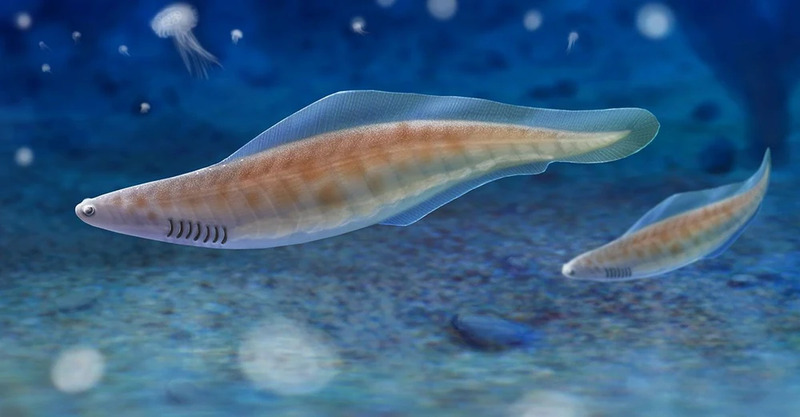
According to the World Fish Database as of February 2022, there are about 34,800 named fish species in the world, accounting for more than half of all vertebrates, and about 250 new fish species are discovered every year···
Read article →
Elephants are currently the largest land animals on Earth, with their sturdy limbs and wide feet firmly supporting their huge bodies. However, there were some prehistoric elephants that were even larger in size. Do you k···
Read article →
Among the sprawling biodiversity of Earth, there exists one reptilian ruler that stands above the rest—the Komodo dragon (Varanus komodoensis). Often referred to as the "King of Lizards," this colossal creatur···
Read article →
In a time long before the modern world knew the fearsome Komodo dragon, there existed another terrifying predator that roamed the ancient Earth: the Red Crocodile (Crocodilus ruber), a prehistoric beast with a striking r···
Read article →
Animal cells What do plant cells have that animal cells don't?Animal cells and plant cells are two types of eukaryotic cells, but they have some significant differences in structure and function. Understanding these ···
Read article →
The Bible and Animals: The Deep Connection between Faith and NatureAs the core classic of Christianity, the Bible not only tells about human faith, morality and behavioral norms, but also The Bible shows the rich diversi···
Read article →
What Animal Am I? Discover Your Spirit Animal and Personality ConnectionHave you ever wondered, "What animal am I?" It's a question that sparks curiosity and taps into the deeper connection between humans a···
Read article →
The saber-toothed tiger (Smilodon) is an extinct large mammal belonging to a genus in the family Felidae. They lived in the late Pleistocene and became extinct about 12,000 years ago. Here is a detailed introduction to s···
Read article →
How are fossils formed? Fossils are formed in many ways, but most are formed when a living organism (such as a plant or animal) dies and is quickly buried by sediment (such as dirt, sand, or volcanic ash). Soft tissues o···
Read article →
The term "paleontology" refers to the study of ancient life, and fossils form the basis of this science.What are fossils?The word "fossil" comes from the Latin fossus, meaning "to dig up." T···
Read article →
The first birds had sharp teeth, long bony tails and claws on their hands. The clear distinctions we see between living birds and other animals were not present in early birds. In fact, the earliest birds were more like ···
Read article →
Sharks have played the role of apex predators in marine ecosystems since ancient times, and their species has a long history, dating back 500 million years. Today, scientists have identified nearly 500 species of sharks,···
Read article →