Green Butterfly Identification: 8 Species You May Be Seeing
See a green butterfly? Identify green hairstreaks, malachites, emerald swallowtails, tailed jays and other green butterflies by pattern, size and location.
Read article →Explore insects and other arthropods, including identification, behavior, anatomy and common misconceptions.
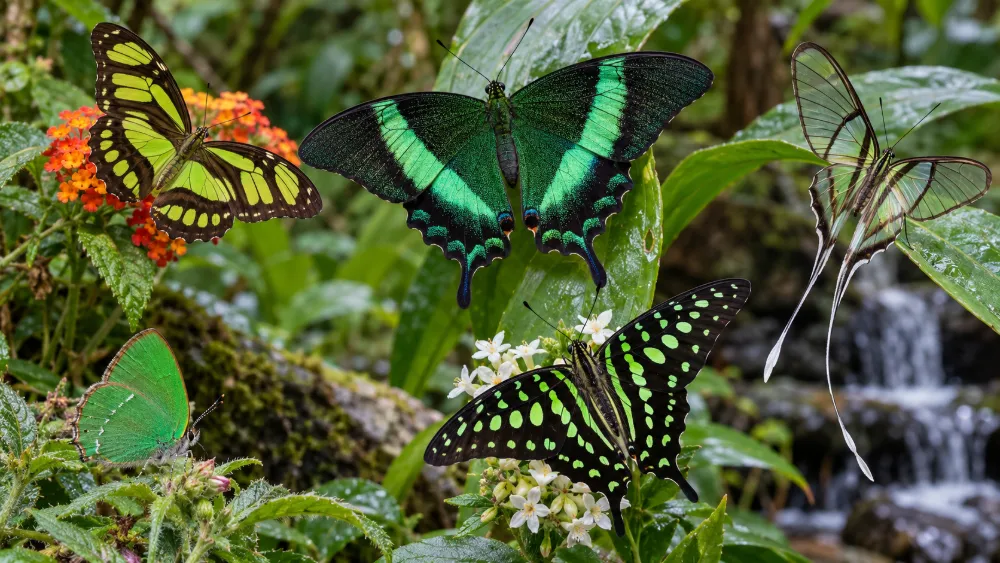
See a green butterfly? Identify green hairstreaks, malachites, emerald swallowtails, tailed jays and other green butterflies by pattern, size and location.
Read article →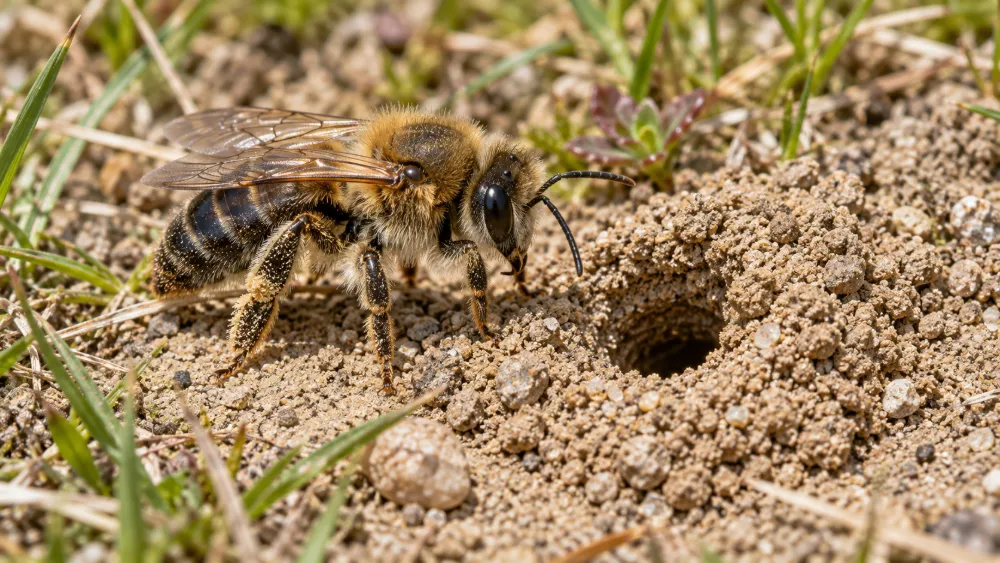
Small holes suddenly appearing across a lawn can be alarming—especially when dozens of bees seem to be flying just above the ground.In many cases, however, these insects are ground-nesting solitary bees rather than an a···
Read article →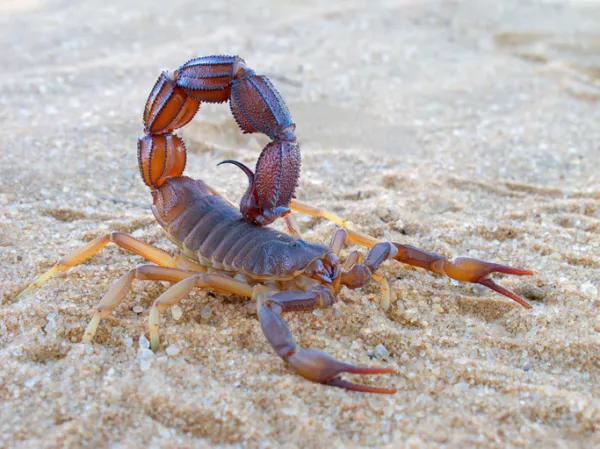
Is an alacrán different from a scorpion? No—alacrán and escorpión are names for the same arachnid. Learn the terminology, venom myths and sting safety.
Read article →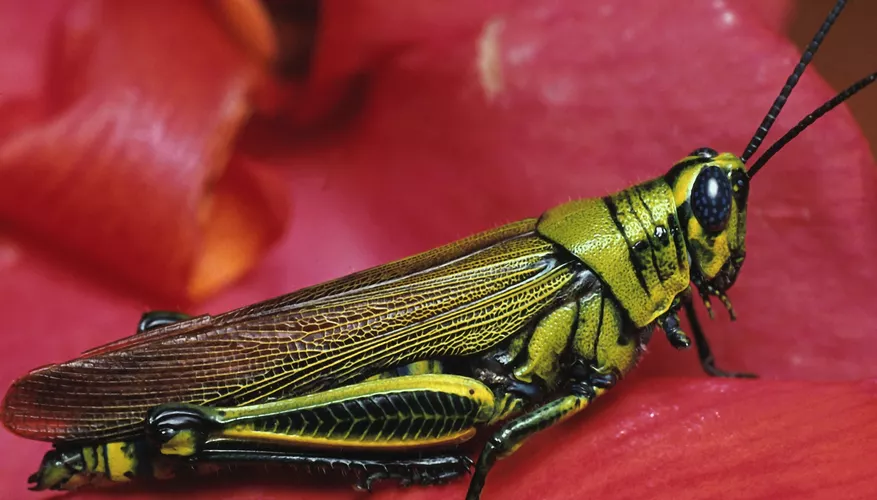
Most grasshoppers survive winter as eggs in soil, while a few overwinter as nymphs or adults. Learn where grasshoppers go and how they survive cold weather.
Read article →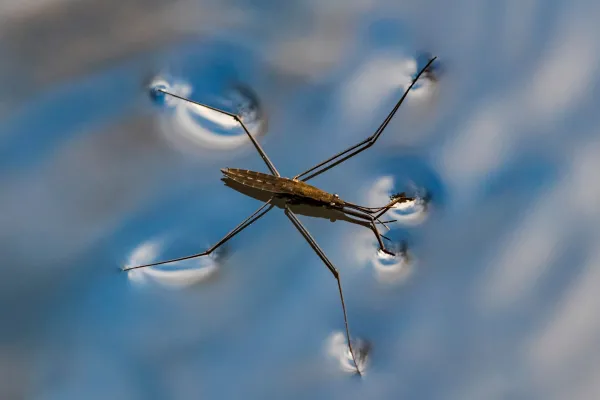
The water strider—often called a pond skater or river skater—is a common insect in freshwater habitats. Many species belong to the family Gerridae, famous for their ability to glide across the surface of water using lo···
Read article →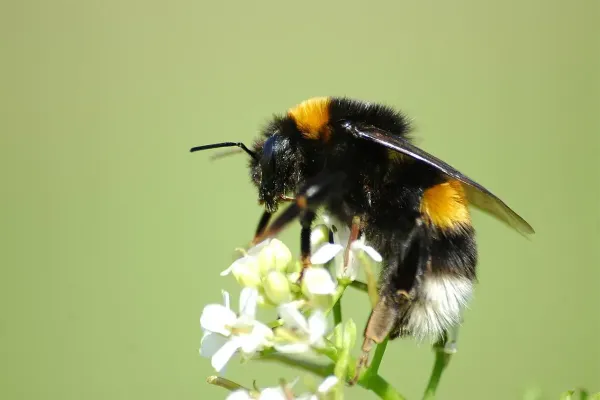
The common bumblebee (Bombus terrestris) is one of Europe’s most familiar bumblebee species. It’s easy to recognize by its bold horizontal yellow-and-black bands and a pale, whitish patch toward the end of the abdomen.···
Read article →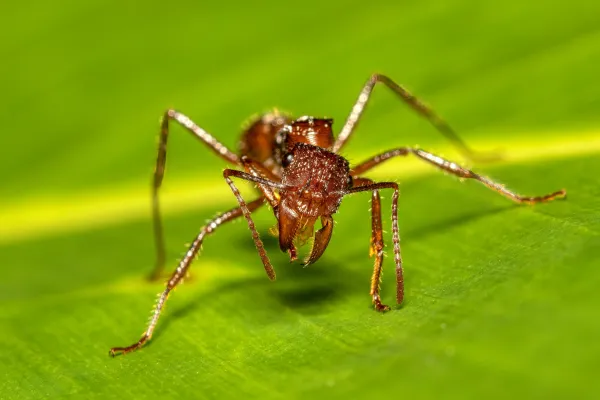
Ants are familiar insects because many species thrive around gardens and homes. But deep in the tropical forests of Central and South America lives a very different kind of ant: the bullet ant (Paraponera clavata). Reach···
Read article →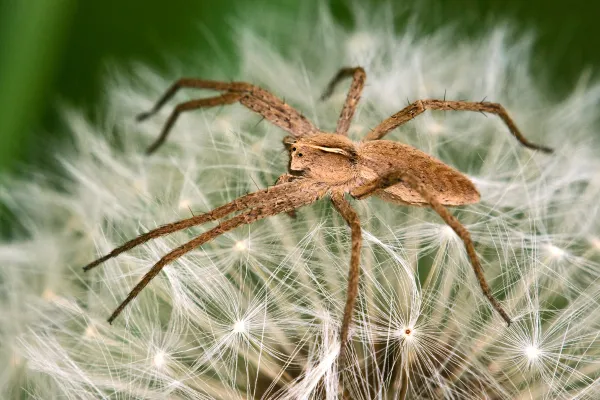
Spiders are arachnids, not insects. Although many people assume most spiders are dangerous, only a small number pose serious medical risk to humans. One of the best-known medically significant groups is the recluse spide···
Read article →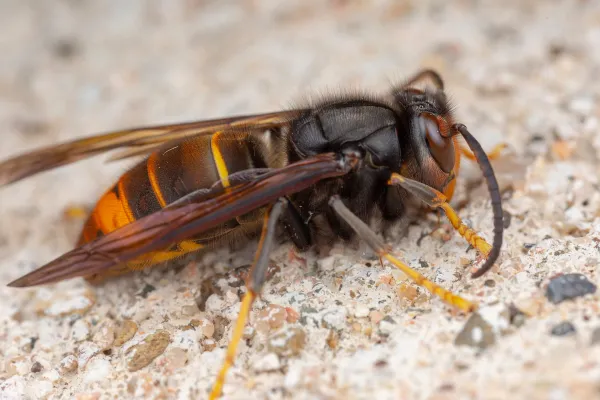
Wasps often have a fearsome reputation because of their painful stings and their role as predators of other insects. One species that has attracted particular attention is the Asian hornet (Vespa velutina), sometimes als···
Read article →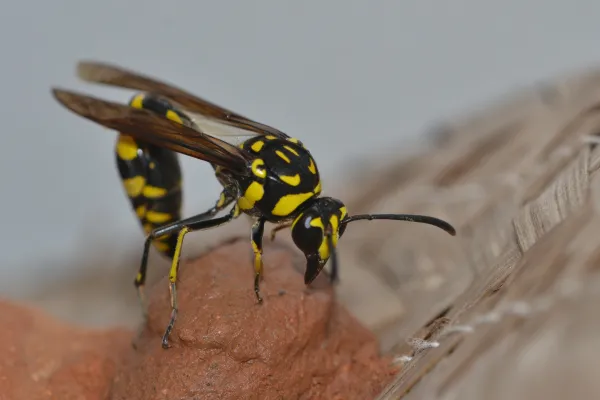
Wasps are often associated with painful stings and social colonies like those of bees or ants. However, many wasps live very differently. Potter wasps are a great example: they are usually solitary and famous for buildin···
Read article →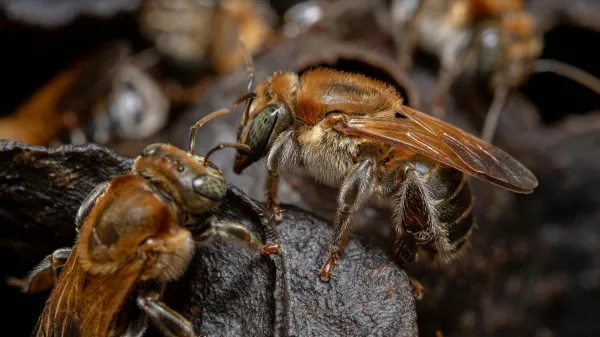
The Western honey bee (Apis mellifera) may be the best-known bee worldwide, but the Americas are home to many native bees with equally fascinating lives. Among them are the melipona bees (genus Melipona), a group of stin···
Read article →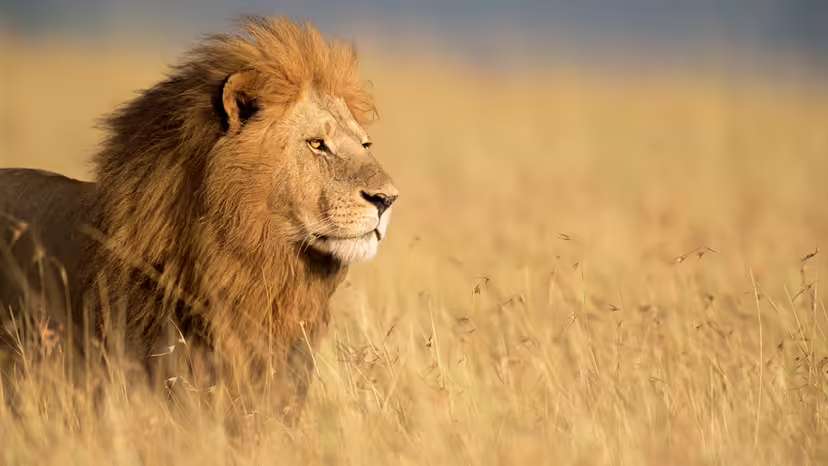
The lion (Panthera leo) is one of the most iconic animals on Earth. Celebrated for its strength, charisma and cultural symbolism, the lion has long been regarded as a symbol of courage, leadership and royalty. Although o···
Read article →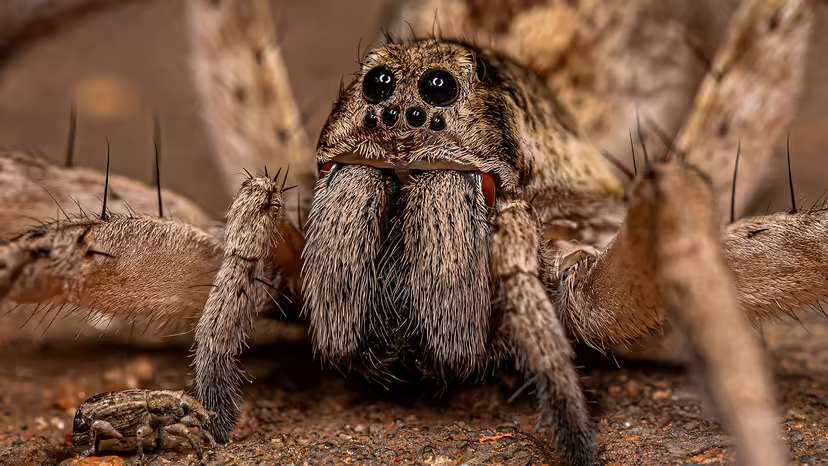
Wolf spiders are among the most fascinating predators in the spider world. Instead of building webs to trap prey, these agile hunters chase their victims down on foot — a behavior that earned them their common name. Fou···
Read article →
TL;DR: Crickets are omnivorous scavengers. In the wild they consume fresh plant matter, decaying vegetation, fungi, and dead/soft-bodied insects. In captivity, offer a balanced mix of greens, moisture-rich produce, quali···
Read article →
Insects inhabit nearly every corner of our planet. They are the most numerous creatures in the animal kingdom — yet many of them pose serious threats to humans. Some carry deadly toxins, while others spread dangerous di···
Read article →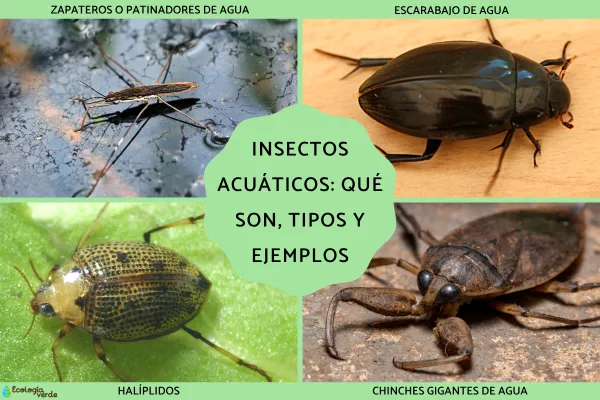
Aquatic insects are invertebrate arthropods that live primarily in freshwater habitats. More than 76,000 aquatic insect species are known. Representative examples include the great silver water beetle (Hydrophilus piceus···
Read article →
Bees and other related pollinating insects are now among the most threatened groups of animals on the planet. They are dangerously close to extinction. Many people wonder: why are bees endangered? The reasons are varied,···
Read article →
Insects are one of the most diverse groups of animals on Earth. They belong to the phylum Arthropoda and the subphylum Hexapoda. Thanks to their unique morphology and strong adaptability, insects have managed to thrive i···
Read article →
Insects are the most species-rich animals on Earth, occupying nearly every terrestrial and freshwater habitat—from deserts and mountaintops to tropical rainforests. Knowing how entomologists organize insect diversity, h···
Read article →
The violin spider—often called the Mediterranean recluse and closely related to the North American brown recluse—gets its name from the violin-shaped marking on the cephalothorax. Many individuals can also shift their ···
Read article →
Nature is full of fascinating creatures—many of which we encounter frequently in our surroundings. However, some species are less familiar, either because they’re rare or not native to our region. One such insect is th···
Read article →
Ermines are wild stoats, not domesticated pets. Learn about temperament, legality, diet, space needs, risks, and why a domestic ferret is usually a better choice.
Read article →
Did you know that there are over 110,000 known species of flies around the world? Some, like the vinegar fly (Drosophila melanogaster), play a vital role in scientific research and are used as model organisms in genetics···
Read article →
Bees are highly social insects with an incredibly organized colony structure. Within a beehive, every bee has a defined role, and the entire colony works in perfect synchronization—just like clockwork. This coordination···
Read article →