Spain’s Mesozoic strata—especially those in Aragón—have yielded hundreds of skeletal remains, eggs, coprolites, and spectacular trackways (over 200 ichnite sites nationwide). Below is an expanded English adaptation of key finds, perfect for palaeo-enthusiast readers.
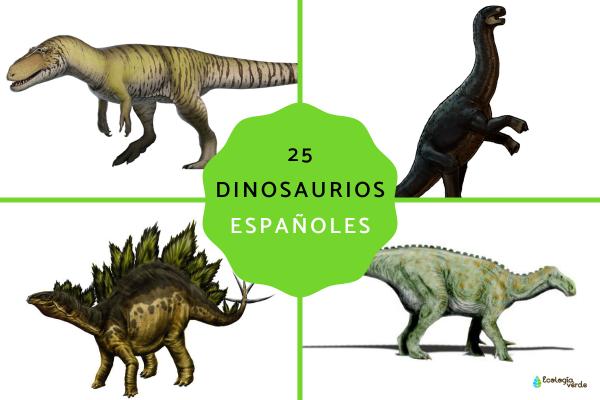
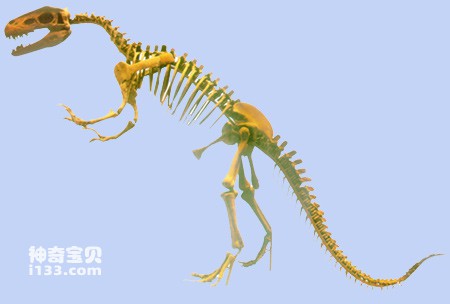
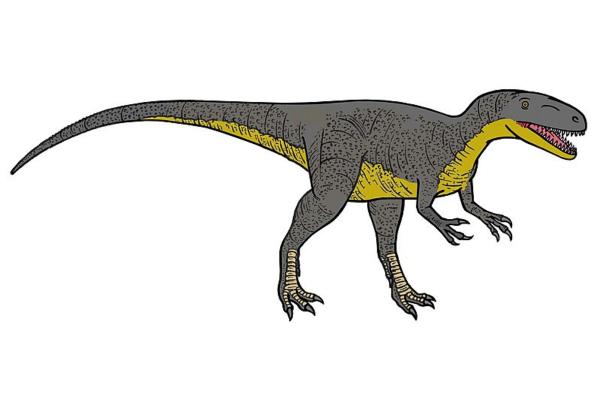
1. Megalosaurus cf. bucklandi
Group: Theropoda (bipedal carnivore)
Size: ~6 m long
Spanish record: Tooth from Mora de Rubielos, Teruel (Aragón)
Notes: Robust tail balanced the torso; preyed on smaller dinosaurs and scavenged carcasses.
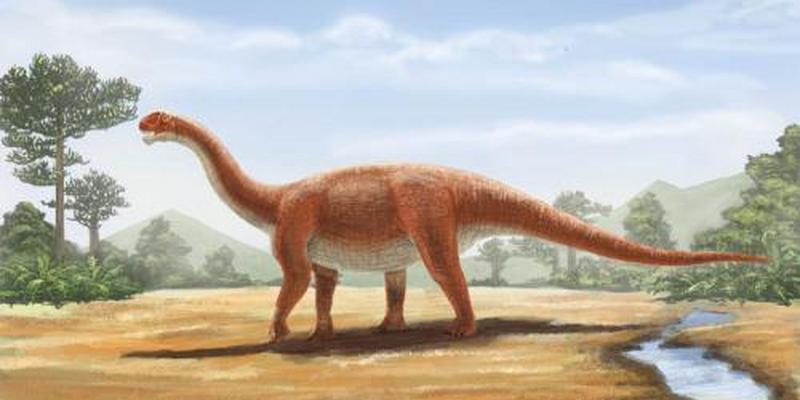
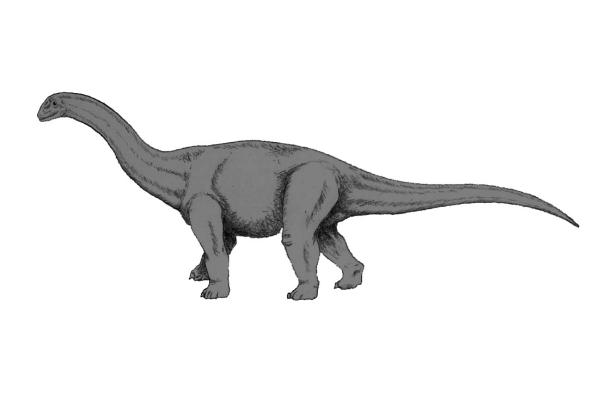
2. Cetiosaurus spp.
Group: Sauropoda (herbivore)
Size: 18 m long; 11 t
Habitat: Open woodlands and lowland plains across Iberia
Status: One of the smaller “whale lizards.”
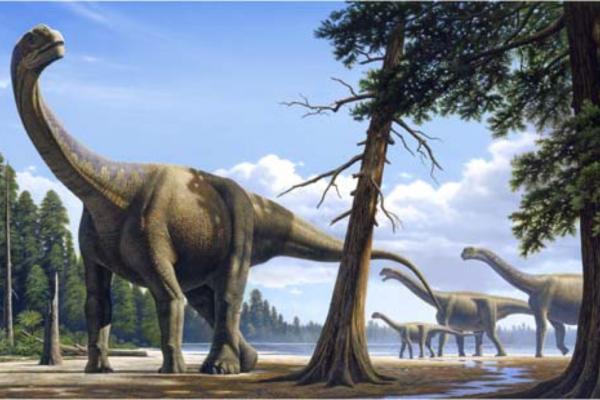
3. Aragosaurus ischiaticus
Group: Basal macronarian sauropod
Locality: Galve (Teruel) near the ancient Tethys shore
Traits: Spatulate, furrowed teeth; excellent skeletal completeness makes it a Spanish reference taxon.
Biogeography: Sister material in the Americas hints at former continental links.
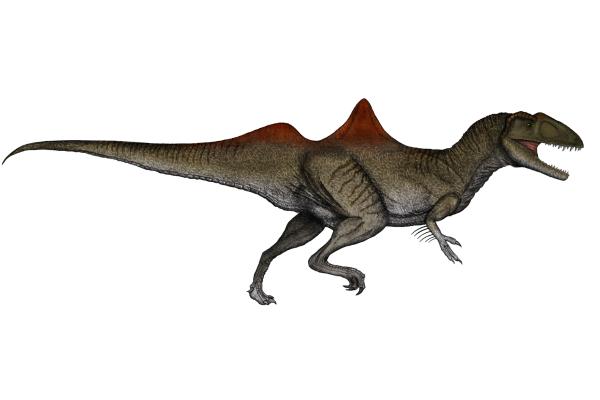
4. Concavenator corcovatus
Group: Carcharodontosaurian theropod
Locality: Las Hoyas, Cuenca
Age/Size: 130 Ma; ~6 m long
Signature feature: Two tall, triangular neural spines (“hump/crest”) on the back.
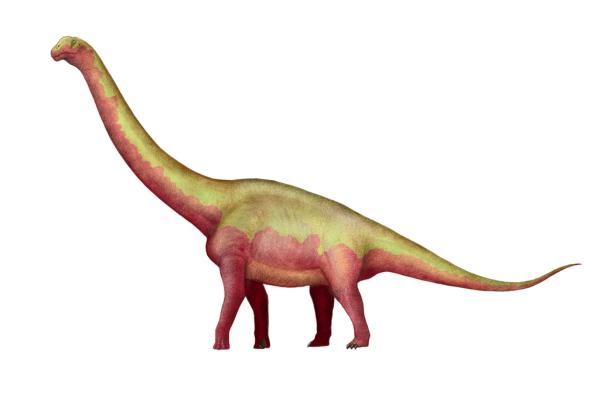
5. Tastavinsaurus sanzi
Group: Titanosauriform Sauropoda
Locality: Peñarroya de Tastavins, Teruel
Size: 17 m; 20 t
Age: 125 Ma
6. Iguanodon spp.
Sites: Teruel, Castellón, Cuenca, Soria, La Rioja, etc.
Size: 10 m; 4–5 t
Adaptations: Prehensile digits; facultative biped/quadruped.

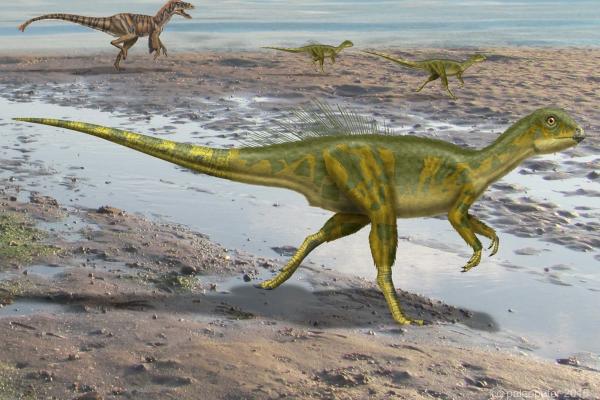
7. Hypsilophodon sp.
Record: Single tooth (Las Zabacheras, Galve)
Profile: 2 m, fleet-footed herbivore with a beaked snout—avian precursor traits.
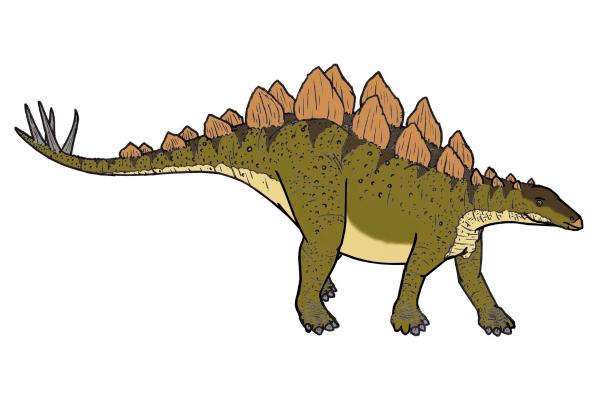
8. Stegosaurus sp.
Evidence: Dorsal spine from Galve
Hallmarks: Back plates, spiked tail (thagomizer), low-slung quadruped stance.
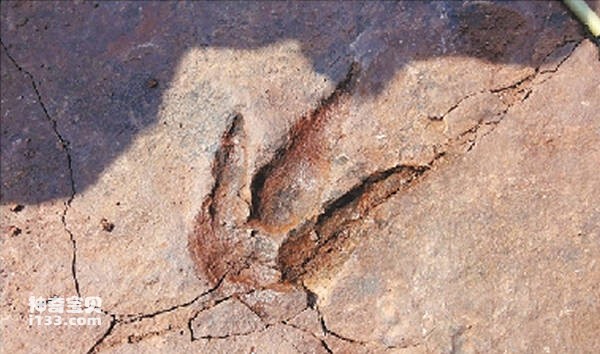
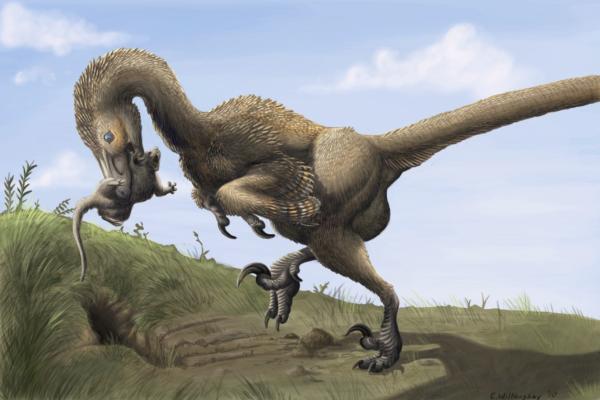
9. Dromaeosauridae (raptors)
Finds: Tooth (Piélago) and tracks (Corrales de Pelejón, Galve)
Features: Feathers, sickle claw, active predation.
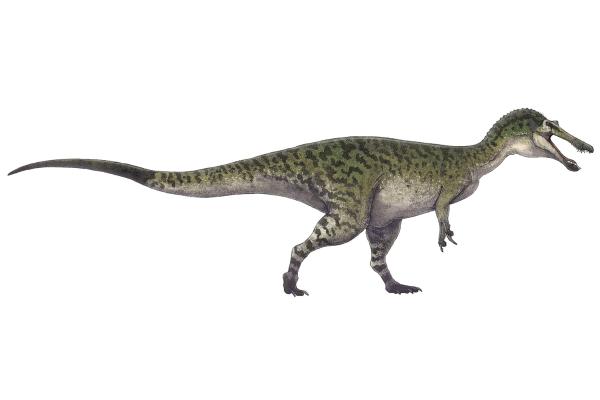
10. Baryonychinae
Sites: La Cantalera (Josa) and Vallipón (Castellote)
Signature: Crocodile-like snout, fish-eating teeth, two-fingered forelimbs.
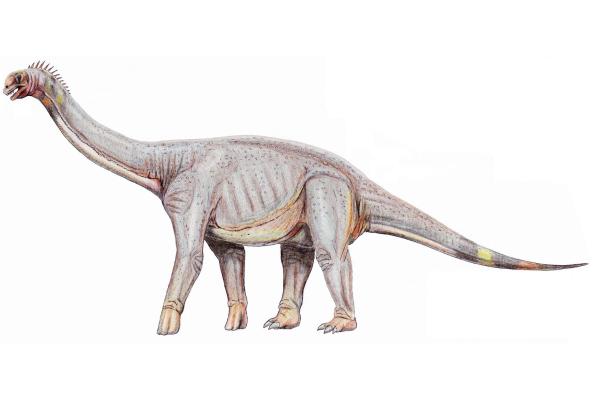
11. Astrodon johnstoni (= Pleurocoelus)
Material: Teeth from Galve
Stats: 8 m, 10 t; long neck, slightly elongated forelimbs, pleurocoelous (hollow) vertebrae.
12. Valdosaurus canaliculatus
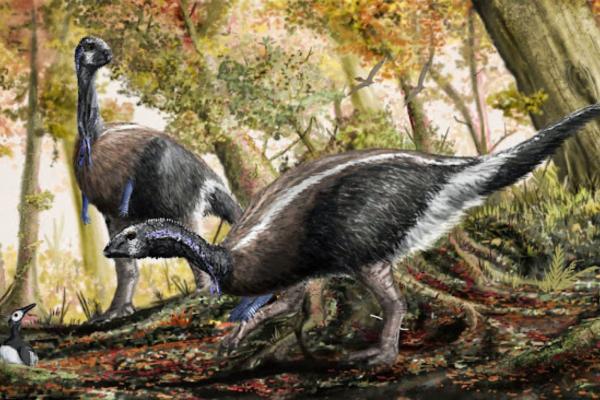
Specimen: Femur (Cerrada Roya–Mina, Teruel)
Range: Also known from England
Size/Mode: 5 m long, 1.2 m tall herbivore.
13. Echinodon sp.
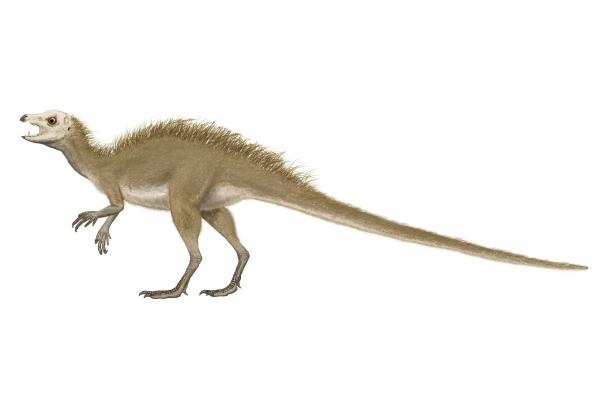
Find: Tooth from Galve—sharp with multiple ridges (“hedgehog tooth”)
Ecology: 60 cm omnivore; two enlarged caniniform teeth suggest occasional predation.
Additional Spanish taxa (selected)
| Taxon | Notes |
|---|---|
| Cruxicheiros newmanorum | Large tetanuran theropod |
| Iliosuchus incognitus | Small carnivore |
| Camptosaurus spp. | Medium-sized ornithopods |
| Carcharodontosaurus sp. | Teeth hint at giant predators |
| Nodosauridae | Armoured ankylosaurs |
| Prismatoolithus sp. | Egg fossils |
| Hadrosauridae | “Duck-billed” herbivores |
| Cardiodon rugulosus | Possible rebbachisaurid |
| Euhelopodidae | Long-necked sauropods |
| Ankylosauria (infraorder) | Club-tailed tanks |
| Arenysaurus sp. | Late Cretaceous hadrosaur |
| Pelecanimimus sp. | Early ornithomimosaur with many teeth |
Dinosaur Parks & Museums in Spain
| Site | Province | Highlights |
|---|---|---|
| Dinópolis | Teruel | Full skeletons, ride-through exhibits |
| Museo Nacional de Ciencias Naturales | Madrid | Iberian sauropods & theropods |
| Karpin Abentura | Vizcaya | Life-size reconstructions |
| MUJA (Museo Jurásico de Asturias) | Asturias | Coastal ichnite slabs |
| El Barranco Perdido | La Rioja | Outdoor dig replicas |
| Ruta de las Icnitas | Soria | Extensive trackways |
| Museo Paleontológico de Cuenca | Cuenca | Concavenator mount |
| Museu de Ciències Naturals | Valencia | Mediterranean fossils |
Why Spain Matters in Dinosaur Palaeontology
Exceptional stratigraphy – Continuous Late Jurassic to Early Cretaceous fluvial and coastal deposits.
Mixing of Laurasian faunas – Iberian finds bridge European and North African lineages.
Ichnite richness – Track sites reveal social behaviour, speed estimates, and even skin impressions.
Exploring Spain’s “lost giants” not only rewrites European dino-biogeography but also inspires new fossil hunters to look beneath familiar landscapes.
Bibliography
Lawrence , F. P. (2003). Ichnites of Cretaceous dinosaurs in Spain (pp. 49-108). University of La Rioja.
Garcia , J. L. S. ( 1995 ). José Royo y Gómez and the Spanish dinosaurs. Geogazette, (19), 167-169.
Bescos , G. C. , Amo , O. , Rodriguez , J. L. B. , Torres , R. R. , & Omeñaca , J. I. R. (1999). Dinosaurs of Aragon. Zubia, (17), 235-2
Canudo, J.I., Royo-Towers, R., Cuenca-Bescos, G. (2008). A new sauropod: Tastavinsaurus sanzi gen. et sp. nov. from the Early Cretaceous (Aptian) of Spain.Journal of Vertebrate Paleontology, 28(3): 712-731.
Perez , J. ( 1998 ). Wilbord: reconstruction and models. Iguanodon. Available at: http://www.wilbord.com/en/iguanodon.php
Canudo , J. I. , Aurell , M. , Ship , J. L. , Cobos , A. , Cuenca-Bescos , G. , Martin-Closas , C. , … & Ruiz-Omeñaca , J. I. (2002). La Cantalera: A summary of the dinosaurs of the Hauteriviense-Barremiense (Lower Cretaceous) transit of the Iberian Range (Josa, Teruel). Book of Abstracts XVIII Conferences of the Spanish Society of Paleontology. II Iberian Congress of Palaeontology (pp. 27-28).