Skip to content
Animals Top
Home>Animals>Mammal>Lagoiformes
Animal Profile IUCN: LC

Nubulake Pika

Nubulak pika belongs to the nominate subgenus (<Ochotona>). It was previously incorporated into the steppe pika (<O. pusilla>), the gray pika (<O. roylei>) and the Tibetan pika (<O. thibetana>). Yu Ning and Zheng Changlin (1992) revised it and listed it as an independent spec

Lagoiformes 572 views
Scientific Name
Length 125-170mm
Weight
Lifespan
IUCN Status LC
Advertisement

Table of Contents

    Nubulak pika belongs to the nominate subgenus (<Ochotona>). It was previously incorporated into the steppe pika (<O. pusilla>), the gray pika (<O. roylei>) and the Tibetan pika (<O. thibetana>). Yu Ning and Zheng Changlin (1992) revised it and listed it as an independent species. Now it includes 3 subspecies. Whether it is established or these species are independent species needs further study. Nubulak pika is endemic to the desert and semi-desert of the Tibetan Plateau. The distribution area is not large.
    1_Jiulei Image Converter.jpg

    2_Jiulei Image Converter.jpg

    At a glance

    Profile Details

    Key characteristics, appearance, and habitat information.

    Traits & Behavior

    There is a circle of yellow hair on the neck behind the ears.

    Appearance

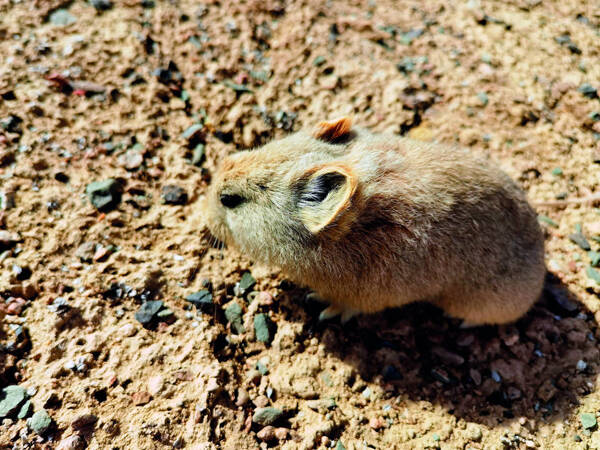
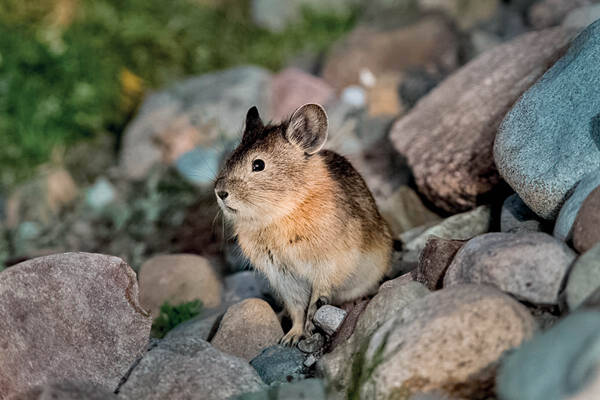
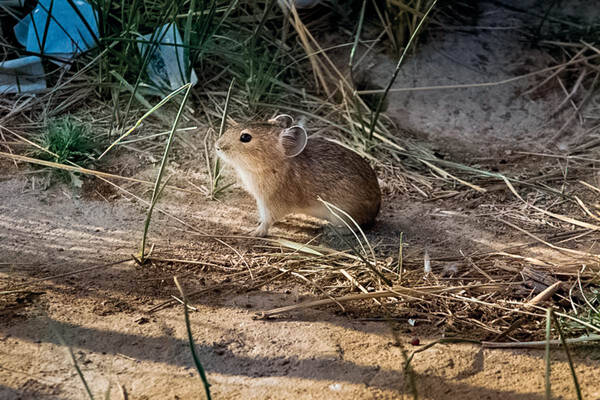
    The individual is medium-sized. The body length is 125-170mm. The overall color is lighter, sandy yellow with black. There is a circle of yellow hair on the neck behind the ear. The abdomen is lighter, light yellow. The soles of the front and back feet are hairy, and the claws are almost hidden in the hair. The area around the nostrils is black. The ears are short and round, with a very narrow white edge on the ear. It is a close relative of the black-lipped pika, and there is some confusion in appearance, but the black color around the lips of this species is not as deep as that of the black-lipped pika. The individual is much smaller than the black-lipped pika, and the frontal bone is not as protruding as that of the black-lipped pika. On the skull, there is no oval foramen in the frontal bone, and the incisor foramen and palatine foramen are merged into one large hole.

    Distribution & Habitat

    In China, it is only distributed around the Pangong Lake in western Tibet and extends to the Shigatse area in southern Tibet. Abroad, it is distributed in the Kashmir region at the junction of India and Pakistan.
    Advertisement

    Visual guide

    Browse available images of this species.

    Quick answers

    Nubulake Pika FAQs