Skip to content
Animals Top
Home>Animals>Mammal>Lagoiformes
Animal Profile IUCN: LC

Ochotona huangensis xunhuaensis

Ochotona huangensis xunhuaensis

Xunhua pika, also known as Qinling pika, belongs to the subgenus Alienauroa. It was first published as a subspecies of Tibetan pika (O. thibetana), and was later considered a synonym of Ochotona syrinx. Liu Shaoying et al. (2016) classified it as an independent species because of its tragus, so it w

Lagoiformes 555 views
Scientific Name Ochotona huangensis xunhuaensis
Length 150mm
Weight
Lifespan
IUCN Status LC
Advertisement

Table of Contents

    Xunhua pika, also known as Qinling pika, belongs to the subgenus Alienauroa. It was first published as a subspecies of Tibetan pika (O. thibetana), and was later considered a synonym of Ochotona syrinx. Liu Shaoying et al. (2016) classified it as an independent species because of its tragus, so it was included in the subgenus Alienauroa. The distribution area of this species is narrow and discontinuous.
    1_九雷图片转化为.jpg

    2_九雷图片时钟.jpg

    3_九雷图片转化为.jpg

    At a glance

    Profile Details

    Key characteristics, appearance, and habitat information.

    Traits & Behavior

    Appearance

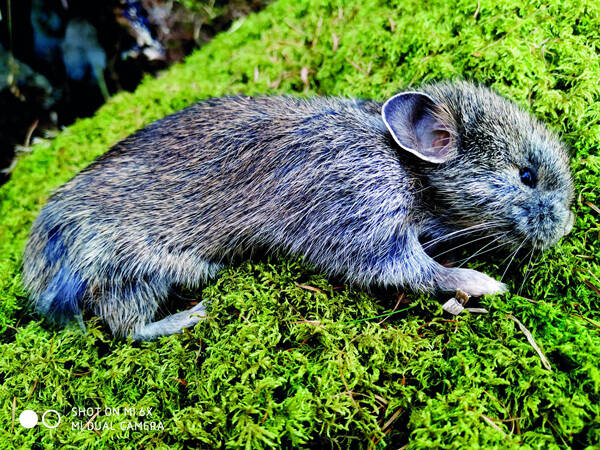
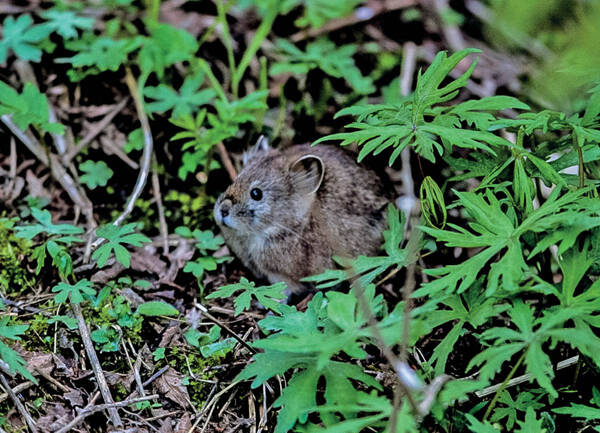
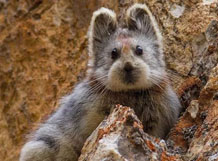
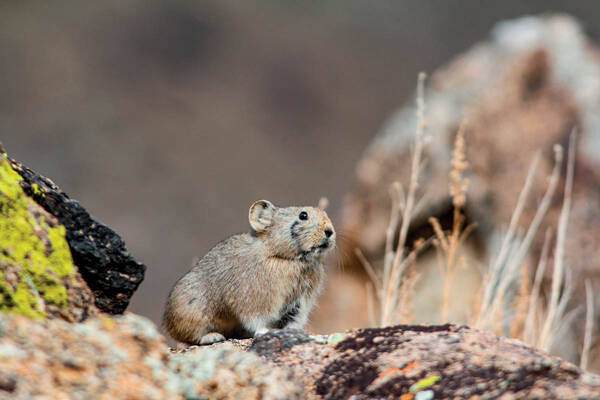
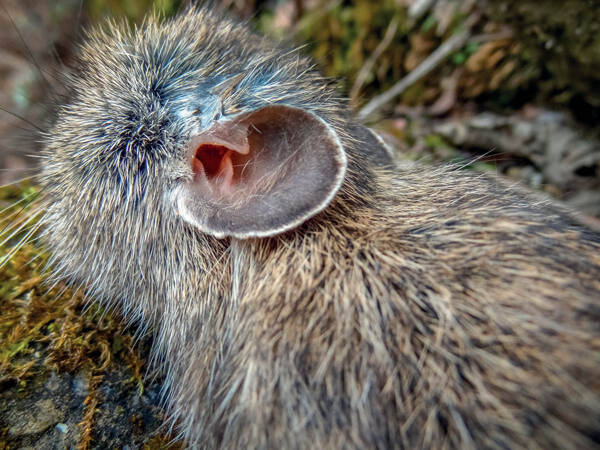
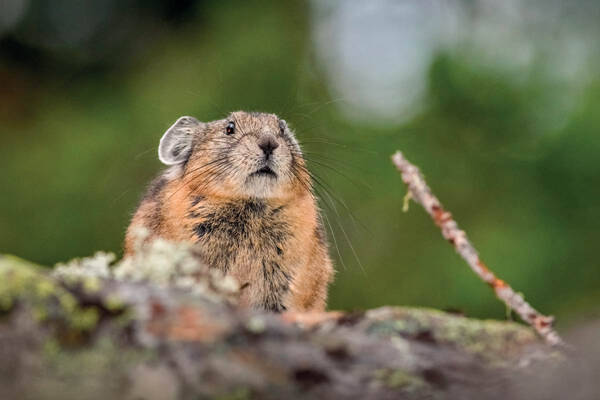
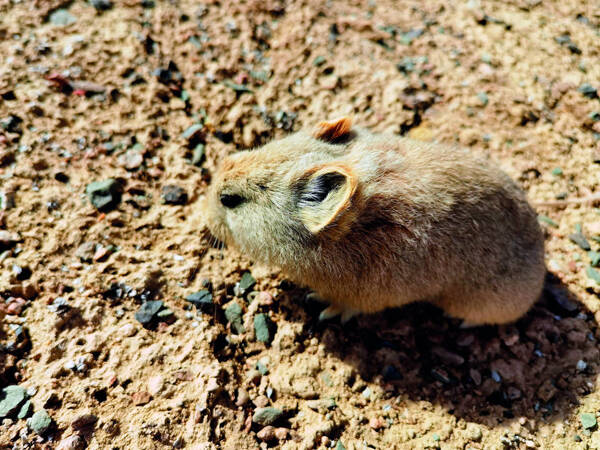
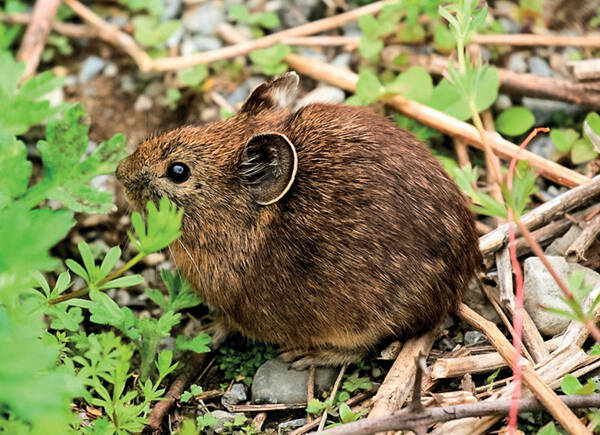
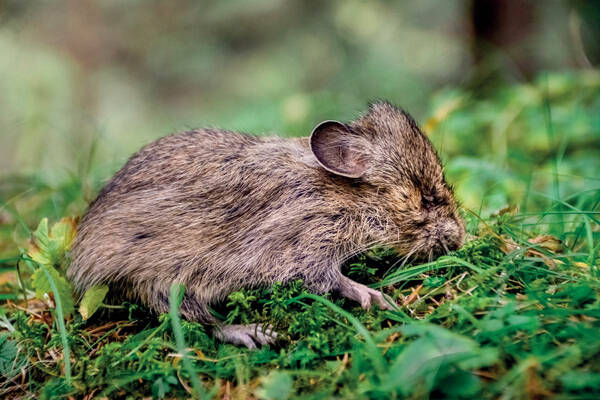
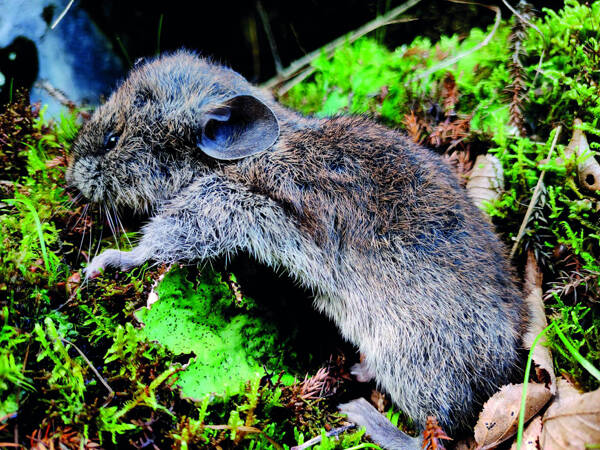
    The individual is relatively large. The body length is about 150mm. The fur on the back is lighter, sandy gray, and rough, and lighter on the ventral side, with white tips. There is a large tragus, which is round and different from the tragus of other species in the same subgenus, and is obviously larger. In terms of the skull, there is no oval foramen in the frontal bone, and the incisor foramen and palatine foramen are merged into one large foramen. The eye sockets are small, and the skull height is smaller than that of other species in the subgenus.

    Distribution & Habitat

    It is endemic to China and is distributed in Xunhua, Qinghai, Liupan Mountain, Ningxia, and Qinling Mountains, Shaanxi.
    Advertisement

    Visual guide

    Browse available images of this species.

    Quick answers

    Ochotona huangensis xunhuaensis FAQs