Skip to content
Animals Top
Home>Animals>Birds>Landfowl
Animal Profile IUCN: LC

Callipepla squamata

Callipepla squamata,Scaled Quail

Callipepla squamata is called Scaled Quail and has four subspecies.The quail mainly eats seeds, berries, and sometimes leaves, roots, and insects. Foraging is usually done by digging your toes and then using your beak. There are usually two adult birds and a variable number of subadult birds in smal

Landfowl 614 views
Scientific Name Callipepla squamata,Scaled Quail
Length 25.5-30.5cm
Weight 151-202g
Lifespan 3-5years
IUCN Status LC
Advertisement

Table of Contents

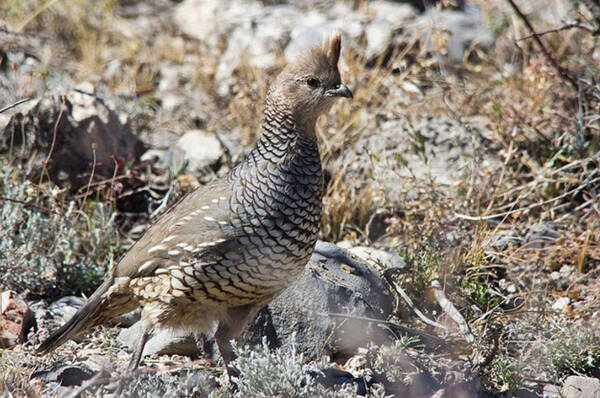
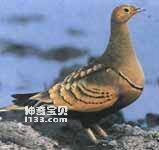
    Callipepla squamata is called Scaled Quail and has four subspecies.
    df6ba22986358c5d8a64785fbb6143c7_ nine ray image converter. Jpeg

    The quail mainly eats seeds, berries, and sometimes leaves, roots, and insects. Foraging is usually done by digging your toes and then using your beak. There are usually two adult birds and a variable number of subadult birds in small groups of up to 16 birds, with their own specific areas of activity.

    Listed on the International Union for Conservation of Nature (IUCN) 2016 Red List of Threatened Species ver 3.1 - Not Threatened (LC).


    Protect wild animals and eliminate wild meat.

    Maintaining ecological balance is everyone's responsibility!


    At a glance

    Profile Details

    Key characteristics, appearance, and habitat information.

    Traits & Behavior

    The body feathers are scaly moire, pale gray to pale white in color

    Appearance

    Body length 25.5-30.5 cm, weight 151-202 grams. Both sexes are similar, with males having slightly heavier plumage. It has a distinctive short, bushy crest, which is mainly white. The body feathers are scaly moire, color from light gray to light white, different subspecies slightly different.

    Distribution & Habitat

    It is found in Mexico and the United States.
    It lives in temperate forests, forest margins, grasslands and farmlands.
    Advertisement

    Visual guide

    Browse available images of this species.

    Quick answers

    Callipepla squamata FAQs