Skip to content
Animals Top
Home>Animals>Birds>Landfowl
Animal Profile IUCN: LC

Long-tailed Wood-partridge

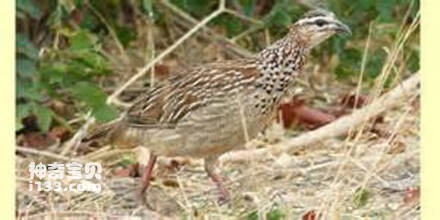
Long-tailed Wood-partridge,Long-tailed Wood Partridge,Dendrortyx macroura

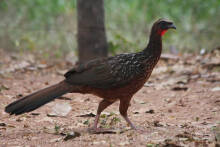
Dendrortyx macroura, Long-tailed wood-partridge, Long-tailed Wood Partridge, the specific habit is unknown. The breeding season occurs from February to April. Each clutch lays 4-8 eggs, with an average of 6 eggs, and the incubation period is usually 28-32 days.Listed on the International Union for C

Landfowl 612 views
Scientific Name Long-tailed Wood-partridge,Long-tailed Wood Partridge,Dendrortyx macroura
Length 22-36cm
Weight 400-460g
Lifespan No textual research information is available
IUCN Status LC
Advertisement

Table of Contents

    Dendrortyx macroura, Long-tailed wood-partridge, Long-tailed Wood Partridge, the specific habit is unknown. The breeding season occurs from February to April. Each clutch lays 4-8 eggs, with an average of 6 eggs, and the incubation period is usually 28-32 days.
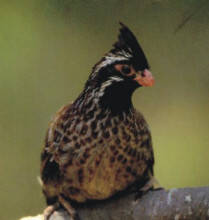
    a0077b2f450b4f74ab1ccdd6803b8a69_ nine ray image converter. JPG

    Listed on the International Union for Conservation of Nature (IUCN) 2016 Red List of Threatened Species ver 3.1: Not Threatened (LC).


    Protect wild animals and eliminate wild meat.

    Maintaining ecological balance is everyone's responsibility!


    At a glance

    Profile Details

    Key characteristics, appearance, and habitat information.

    Traits & Behavior

    Appearance

    The details are unknown.

    Distribution & Habitat

    It is mainly distributed in Guatemala, Belize, Honduras and other places.
    It inhabits dense, moist pine forests, oaks, spruce, and secondary forests, which are often quite secluded. Prefers to live in shady coffee plantations and other agricultural habitats. Altitudes range from 900 to 3100 m above sea level, but are mostly confined to vegetation along streams and rivers, and these birds prefer to live close to riverbanks, often near small rivers.
    Advertisement

    Visual guide

    Browse available images of this species.

    Quick answers

    Long-tailed Wood-partridge FAQs