Skip to content
Animals Top
Home>Animals>Birds>Landfowl
Animal Profile IUCN: LC

Odontophorus dialeucos

Odontophorus dialeucos,Tacarcuna wood quail

Odontophorus dialeucos and Tacarcuna wood quail are active at dawn or dusk. They live in family groups, usually in small groups of up to 12. A gentle personality. They are used to looking for food on the ground and searching the soil for fallen seeds, fallen fruits and insects. Shy and cautious, she

Landfowl 473 views
Scientific Name Odontophorus dialeucos,Tacarcuna wood quail
Length 22-30cm
Weight No textual research information is available
Lifespan No textual research information is available
IUCN Status LC
Advertisement

Table of Contents

    Odontophorus dialeucos and Tacarcuna wood quail are active at dawn or dusk. They live in family groups, usually in small groups of up to 12. A gentle personality. They are used to looking for food on the ground and searching the soil for fallen seeds, fallen fruits and insects. Shy and cautious, she usually runs away on foot when frightened, and sometimes flies quickly for short distances. A call is a loud and unique duet made up of repeated phrases.
    8 c1001e93901213fc8d476d254e736d12e2e95dc_ nine ray image converter. JPG

    Listed in the International Union for Conservation of Nature (IUCN) ver 3.1:2010 Red List of Birds - Vulnerable (VU).


    Protect wild animals and eliminate wild meat.

    Maintaining ecological balance is everyone's responsibility!


    At a glance

    Profile Details

    Key characteristics, appearance, and habitat information.

    Traits & Behavior

    Appearance

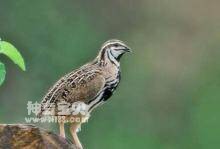
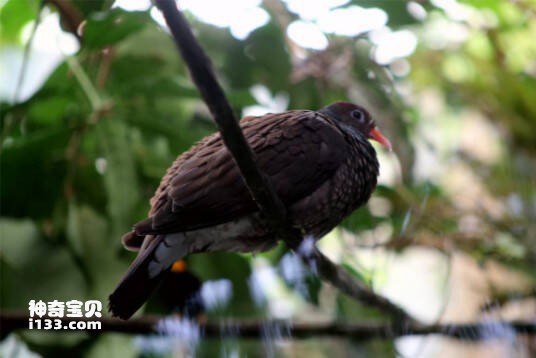
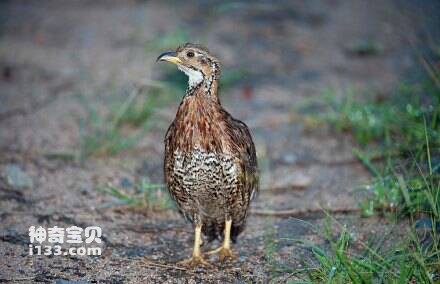
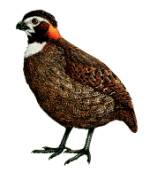
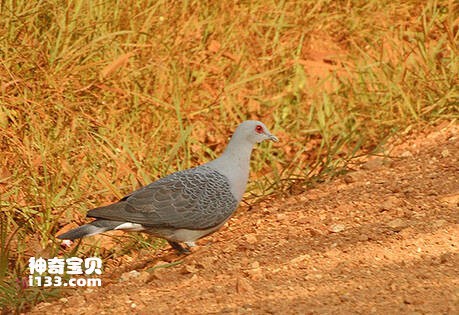
    Larger than Old World quails, they are 22-30 cm long and usually have crests on their heads. They are short, stout, short-tailed, stout quail birds. The upper part is divided into dark brown and the lower part is black, gray, brown or red.

    Distribution & Habitat

    Found in South America.
    Advertisement

    Visual guide

    Browse available images of this species.

    Quick answers

    Odontophorus dialeucos FAQs