Skip to content
Animals Top
Home>Animals>Birds>Landfowl
Animal Profile IUCN: LC

Arborophila campbelli

Arborophila campbelli,Malay Partridge

Malay Partridge (scientific name: Arborophila campbelli), no subspecies. This species is found in the plateau forests of Peninsular Malaysia. It was once known as a subspecies of the partridge.The Malay mountain partridge feeds mainly on the fruits of vines, termites (isoptera), and gastropods.Liste

Landfowl 476 views
Scientific Name Arborophila campbelli,Malay Partridge
Length About 28 cm
Weight 320-352.6g
Lifespan No textual research information is available
IUCN Status LC
Advertisement

Table of Contents

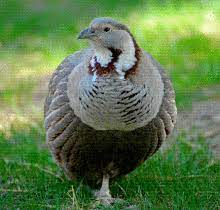
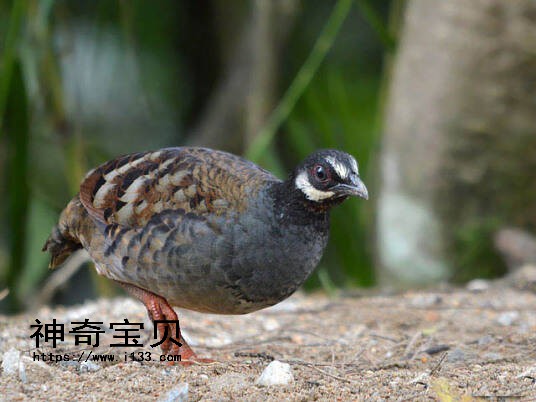
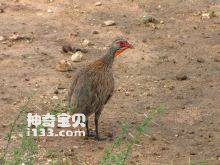
    Malay Partridge (scientific name: Arborophila campbelli), no subspecies. This species is found in the plateau forests of Peninsular Malaysia. It was once known as a subspecies of the partridge.
    aa18972bd40735fa709a3a6195510fb30e2408fb_ nine ray image converter. JPG

    The Malay mountain partridge feeds mainly on the fruits of vines, termites (isoptera), and gastropods.

    Listed on the International Union for Conservation of Nature (IUCN) 2016 Red List of Threatened Species ver 3.1 - Not Threatened (LC).


    Protect wild animals and eliminate wild meat.

    Maintaining ecological balance is everyone's responsibility!


    At a glance

    Profile Details

    Key characteristics, appearance, and habitat information.

    Traits & Behavior

    It has a distinctive black and white pattern

    Appearance

    The Malay mountain partridge is a species of bird in the pheasant family. The average body length is 28 cm and the weight is 320-352.6 g. The head has a distinctive black and white pattern (the amount of white varies separately); The upper body is mainly olive brown and light yellow.

    Distribution & Habitat

    It is found in the mountains of Peninsular Malaysia.
    It lives in mountainous forests, with an altitude of 1000-1600 meters, mainly above 1100 meters.
    Advertisement

    Visual guide

    Browse available images of this species.

    Quick answers

    Arborophila campbelli FAQs