Skip to content
Animals Top
Home>Animals>Birds>Landfowl
Animal Profile IUCN: LC

Polyplectron schleiermacheri

Polyplectron schleiermacheri,Bornean Peacock-pheasant

The Bornean Peacock pheasant (Latin name: Polyplectron schleiermacheri) is a rare and little-known species of the genus Polyplectron. Specific habits are unknown.Due to continued habitat loss, low numbers and limited distribution, the Bornean peacock pheasant is listed as endangered by the Internati

Landfowl 591 views
Scientific Name Polyplectron schleiermacheri,Bornean Peacock-pheasant
Length About 50 cm
Weight No textual research information is available
Lifespan No textual research information is available
IUCN Status LC
Advertisement

Table of Contents

    The Bornean Peacock pheasant (Latin name: Polyplectron schleiermacheri) is a rare and little-known species of the genus Polyplectron. Specific habits are unknown.
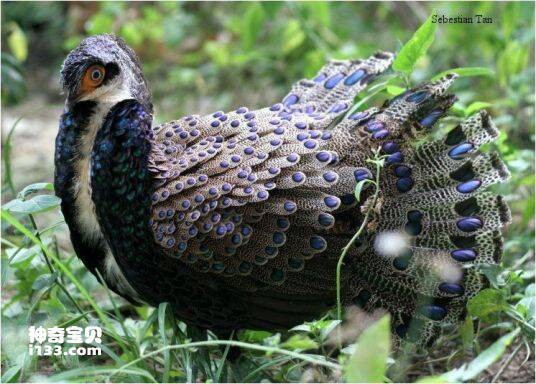
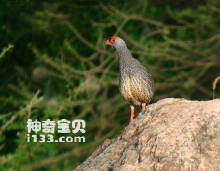
    c83d70cf3bc79f3d84d0e8c9b6a1cd11728b2911_ nine ray image converter. JPG

    Due to continued habitat loss, low numbers and limited distribution, the Bornean peacock pheasant is listed as endangered by the International Union for Conservation of Nature (IUCN) and is protected under CITES Appendix II.


    Protect wild animals and eliminate wild meat.

    Maintaining ecological balance is everyone's responsibility!

    At a glance

    Profile Details

    Key characteristics, appearance, and habitat information.

    Traits & Behavior

    Appearance

    They are 50 cm long, russet with black spots, long crown and nape feathers, black underbody, red face without feathers, and blue pupils. The chest is metallic blue-green, and the throat and upper middle chest are white. They have 22 tail feathers, all with large blue-green eye markings that open into a fan shape when they show love. The female is small and dull, with brown pupils and no distance on the feet.

    Distribution & Habitat

    It is found mainly in lowland forests of Borneo.
    Advertisement

    Visual guide

    Browse available images of this species.

    Quick answers

    Polyplectron schleiermacheri FAQs