Skip to content
Animals Top
Home>Animals>Birds>Landfowl
Animal Profile IUCN: LC

Pternistis leucoscepus

Pternistis leucoscepus,Yellow-necked Francolin

Yellow-necked Francolin (Pternistis leucoscepus), no subspecies.Sedge tubers were the main food, especially sedge plants, and the amount was more than 50%. They also eat small mollusks, termites, ants and other insects. When in danger, he prefers running to escape danger rather than flying. The bree

Landfowl 517 views
Scientific Name Pternistis leucoscepus,Yellow-necked Francolin
Length 33-36cm
Weight 400-896g
Lifespan No textual research information is available
IUCN Status LC
Advertisement

Table of Contents

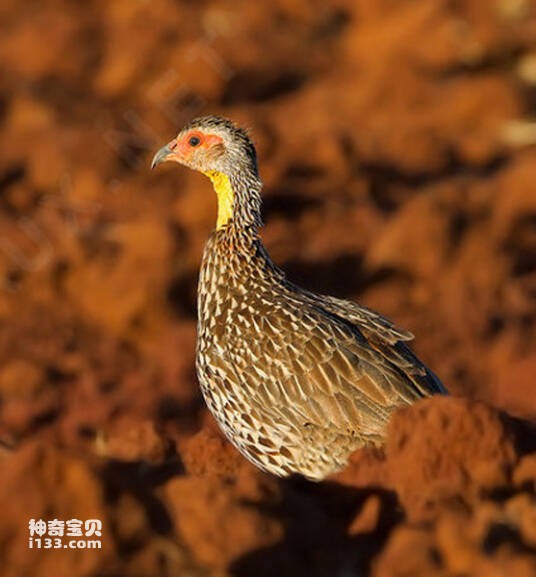
    Yellow-necked Francolin (Pternistis leucoscepus), no subspecies.
    72 f082025aafa40fcdb2a4caa764034f78f019b4_ nine ray image converter. JPG

    Sedge tubers were the main food, especially sedge plants, and the amount was more than 50%. They also eat small mollusks, termites, ants and other insects. When in danger, he prefers running to escape danger rather than flying. The breeding season is May-November in Ethiopia and April-May in northern Sudan, generally during late winter rains or early dry summer.

    Listed on the International Union for Conservation of Nature (IUCN) 2016 Red List of Threatened Species ver 3.1 - Not Threatened (LC).


    Protect wild animals and eliminate wild meat.

    Maintaining ecological balance is everyone's responsibility!


    At a glance

    Profile Details

    Key characteristics, appearance, and habitat information.

    Traits & Behavior

    Orange-red exposed skin around the eyes and yellow skin on the throat

    Appearance

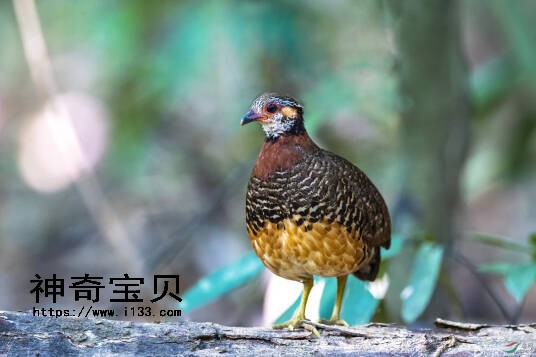
    The body length of Partridge is 33-36 cm; Males weigh 615-896 grams and females weigh 400-615 grams. Orange-red exposed skin around the eyes and yellow skin on the throat. The forehead and crown are brown, the nape and thorax are black, and the overall pattern is unique. The beak and leg claws are grayish black.

    Distribution & Habitat

    It is distributed in Djibouti, Eritrea, Ethiopia, Kenya, Somalia, South Sudan, Sudan, United Republic of Tanzania, Uganda.
    They live in the bush in their natural environment, on the edges of forests and around farmlands, including brush wastelands, rocky exposed hillsides and tree-shaded river banks, preferring areas where acacia grows.
    Advertisement

    Visual guide

    Browse available images of this species.

    Quick answers

    Pternistis leucoscepus FAQs