Skip to content
Animals Top
Home>Animals>Birds>Landfowl
Animal Profile IUCN: LC

Ptilopachus nahani

Ptilopachus nahani,Nahan's Partridge

Ptilopachus nahani, foreign name Nahan' s Partridge is a traditional bird in the pheasant family. As its other name suggests, it was previously considered a partridge (Francolin) and placed in the genus Francolinus or Pternistis, but it was eventually determined that its closest relative was the

Landfowl 526 views
Scientific Name Ptilopachus nahani,Nahan's Partridge
Length About 26 cm
Weight About 308g
Lifespan No textual research information is available
IUCN Status LC
Advertisement

Table of Contents

    Ptilopachus nahani, foreign name Nahan' s Partridge is a traditional bird in the pheasant family. As its other name suggests, it was previously considered a partridge (Francolin) and placed in the genus Francolinus or Pternistis, but it was eventually determined that its closest relative was the stone quill, It may in fact be the only African representative of the New World, "Odontophoridae".
    9345 d688d43f8794c21d231ede1b0ef41bd53a1b_ nine ray image converter. JPG

    Listed on the International Union for Conservation of Nature (IUCN) 2016 Red List of Threatened Species ver 3.1 - Vulnerable (VU).


    Protect wild animals and eliminate wild meat.

    Maintaining ecological balance is everyone's responsibility!

    At a glance

    Profile Details

    Key characteristics, appearance, and habitat information.

    Traits & Behavior

    Probably the only African quail in the New World.

    Appearance

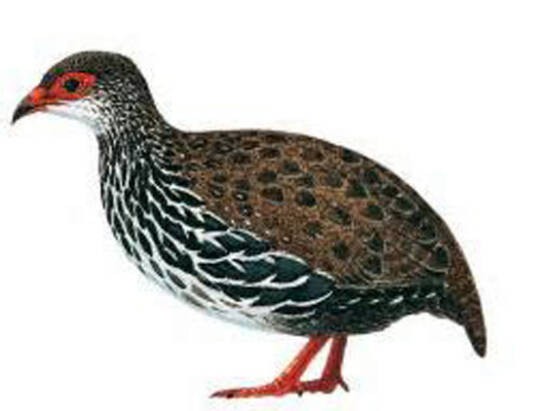
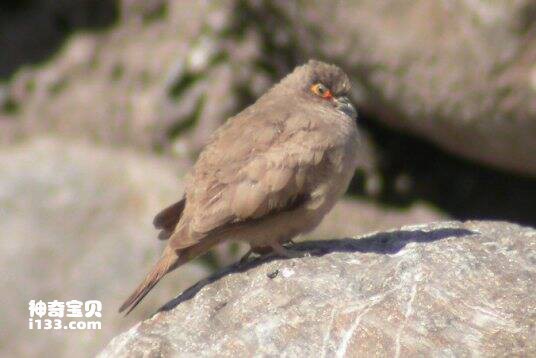
    It is 26 cm long and weighs 308 grams. It is a relatively small land bird with a red eye ring, red leg claws, a tan upper body with deep dark markings, and a head to lower body composed of black and white feathers.

    Distribution & Habitat

    This endangered species is found in the rainforests of northeastern Democratic Republic of Congo and western Uganda and is threatened by habitat loss and hunting.
    Advertisement

    Visual guide

    Browse available images of this species.

    Quick answers

    Ptilopachus nahani FAQs