Skip to content
Animals Top
Home>Animals>Birds>Landfowl
Animal Profile IUCN: LC

Rhizothera dulitensis

Rhizothera dulitensis,Dulit Partridge

Dulit Partridge, Rhizothera dulitensis, was once a subspecies of partridge. Specific habits are unknown.Listed on the International Union for Conservation of Nature (IUCN) 2016 Red List of Threatened Species ver 3.1 - Vulnerable (VU).Protect wild animals and eliminate wild meat.Maintaining ecologica

Landfowl 558 views
Scientific Name Rhizothera dulitensis,Dulit Partridge
Length About 37 cm
Weight No textual research information is available
Lifespan No textual research information is available
IUCN Status LC
Advertisement

Table of Contents

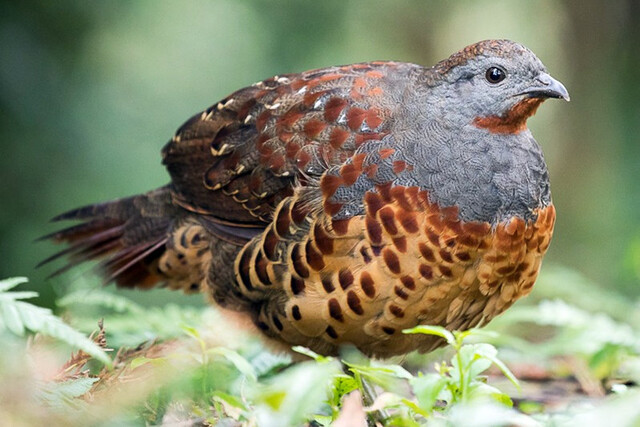
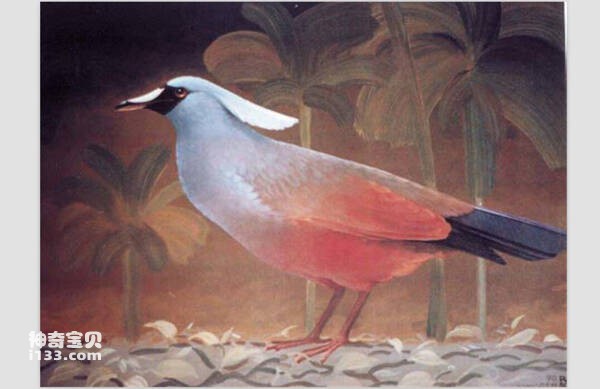
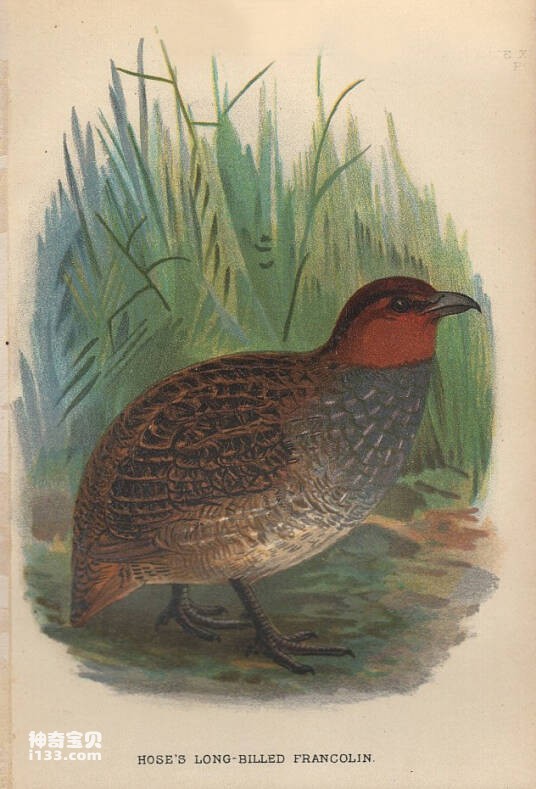
    Dulit Partridge, Rhizothera dulitensis, was once a subspecies of partridge. Specific habits are unknown.
    03087 bf40ad162d9fdce5d291ddfa9ec8a13cde6_ nine ray image converter. JPG

    Listed on the International Union for Conservation of Nature (IUCN) 2016 Red List of Threatened Species ver 3.1 - Vulnerable (VU).


    Protect wild animals and eliminate wild meat.

    Maintaining ecological balance is everyone's responsibility!


    At a glance

    Profile Details

    Key characteristics, appearance, and habitat information.

    Traits & Behavior

    Appearance

    The upper body is brown. Once a subspecies of partridge, similar to partridge but having a reddish-brown belly and grayish-brown flanks with white spots on the wings. Legs and claws yellow. The difference with the long-billed partridge is that the chest is twice as gray in width and the belly is not bright orange or light yellow.

    Distribution & Habitat

    Restricted to the mountain forests below Borneo in Malaysia. The species was first discovered and recorded at Dulit and later found at Mount Murud and Mount Batu Song in northern Sarawak. In 1895, Ebret collected two specimens on Mount Kinabalu in Sabah, but nothing has been recorded since.
    Advertisement

    Visual guide

    Browse available images of this species.

    Quick answers

    Rhizothera dulitensis FAQs