Skip to content
Animals Top
Home>Animals>Birds>Landfowl
Animal Profile IUCN: LC

Tetraophasis caucasicus

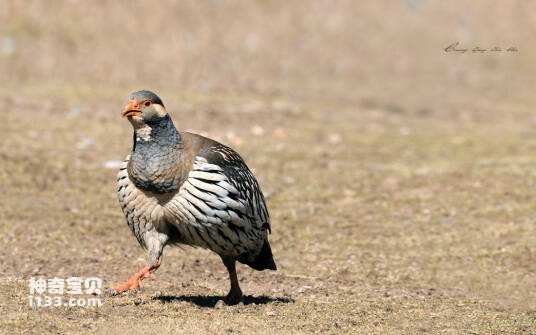
Tetraophasis caucasicus,Caucasian Snowcock

Tetraophasis caucasicus, Caucasian Snowcock, likes to form groups, usually in small groups of 3-5 birds. In areas with high density, large groups of 10-20 and even up to 100 individuals can be seen. Active during the day, from dawn until dusk, often walking up the mountainside to forage until the to

Landfowl 561 views
Scientific Name Tetraophasis caucasicus,Caucasian Snowcock
Length 50-60cm
Weight 2-2.5kg
Lifespan No textual research information is available
IUCN Status LC
Advertisement

Table of Contents

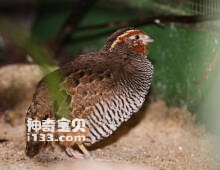
    Tetraophasis caucasicus, Caucasian Snowcock, likes to form groups, usually in small groups of 3-5 birds. In areas with high density, large groups of 10-20 and even up to 100 individuals can be seen. Active during the day, from dawn until dusk, often walking up the mountainside to forage until the top of the mountain. Rest by the rocks around noon, preen. Timid and alert, he would flee from danger at a distance.
    962 bd40735fae6cd7b8986b3bde1182442a7d833a19d_ nine ray image converter. JPG

    Listed on the International Union for Conservation of Nature (IUCN) 2016 Red List of Threatened Species ver 3.1 - Not Threatened (LC).

    Listed in China's national second-class protected animals.


    Protect wild animals and eliminate wild meat.

    Maintaining ecological balance is everyone's responsibility!


    At a glance

    Profile Details

    Key characteristics, appearance, and habitat information.

    Traits & Behavior

    Appearance

    The details are unknown.

    Distribution & Habitat

    It is distributed in Eurasia and northern Africa (including the whole of Europe, Africa north of the Tropic of Cancer, the Arabian Peninsula, and Asia north of the Himalayas, Hengduan Mountains, Minshan Mountains, Qinling Mountains, and Huaihe River).
    Advertisement

    Visual guide

    Browse available images of this species.

    Quick answers

    Tetraophasis caucasicus FAQs