Skip to content
Animals Top
Home>Animals>Birds>Landfowl
Animal Profile IUCN: LC

Pterocles alchata

Pterocles alchata

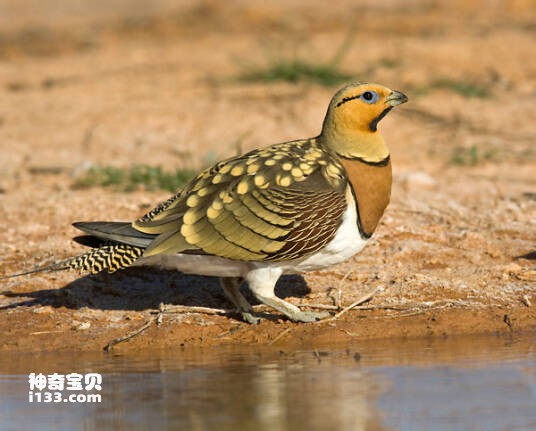
Pterocles alchata, or Pterocles alchata, lives in flat, dry areas, and the delicate markings on its feathers protect it from sand, pebbles and sparse vegetation. Swarm activity, sometimes in small, loose colonies; Running on short legs to forage for seeds, buds and leaves, the male birds often fly f

Landfowl 494 views
Scientific Name Pterocles alchata
Length About 28 cm
Weight No textual research information is available
Lifespan No textual research information is available
IUCN Status LC
Advertisement

Table of Contents

    Pterocles alchata, or Pterocles alchata, lives in flat, dry areas, and the delicate markings on its feathers protect it from sand, pebbles and sparse vegetation. Swarm activity, sometimes in small, loose colonies; Running on short legs to forage for seeds, buds and leaves, the male birds often fly far away to float on the water to drink, and the soft feathers on the chest carry water to feed the chicks.
    730 e0cf3d7ca7bcb83e44b52be096b63f624a834_ nine ray image converter. JPG

    Protect wild animals and eliminate wild meat.

    Maintaining ecological balance is everyone's responsibility!


    At a glance

    Profile Details

    Key characteristics, appearance, and habitat information.

    Traits & Behavior

    Appearance

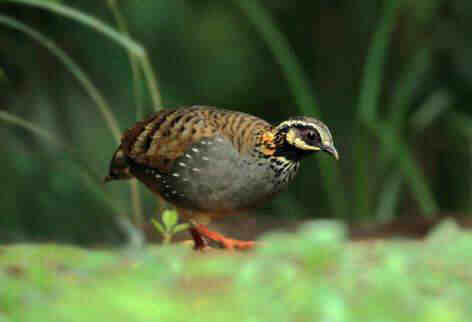
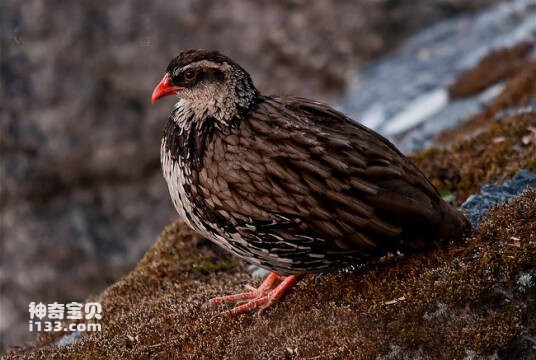
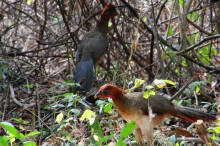
    The mouth is small, the upper part is raised, the nostrils are extended, the base is almost covered by the forehead feathers, the wings are long and pointed, the tail length is moderate, the central pair of tail feathers are sometimes extended, the front of the tarsus is feathered, the posterior mask is reticulate, the toes are short bare hairless, with the posterior toes.

    Distribution & Habitat

    Breeding occurs in Portugal, Spain, southern France, northern Africa, the Middle East, and Central Asia, with the Central Asian population wintering in Pakistan and the western half of the Indian Peninsula.
    Advertisement

    Visual guide

    Browse available images of this species.

    Quick answers

    Pterocles alchata FAQs