Skip to content
Animals Top
Home>Animals>Birds>Landfowl
Animal Profile IUCN: LC

Gallicolumba menagei

Gallicolumba menagei,Sulu Bleeding-heart

Its scientific name is Gallicolumba menagei and its foreign name is Sulu Bleeding-heart.Two specimens of Tawi pigeon were collected in Sulu in 1891, but no definitive records have been recorded since. In 1995, several local findings were reported. They are believed to be so rare that they are listed

Landfowl 576 views
Scientific Name Gallicolumba menagei,Sulu Bleeding-heart
Length No textual research information is available
Weight No textual research information is available
Lifespan No textual research information is available
IUCN Status LC
Advertisement

Table of Contents

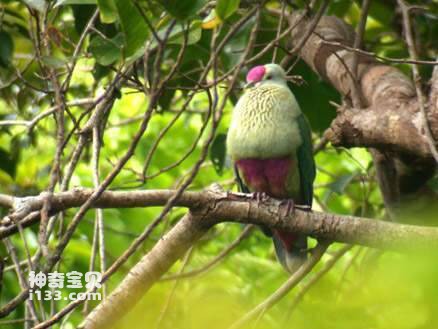
    Its scientific name is Gallicolumba menagei and its foreign name is Sulu Bleeding-heart.
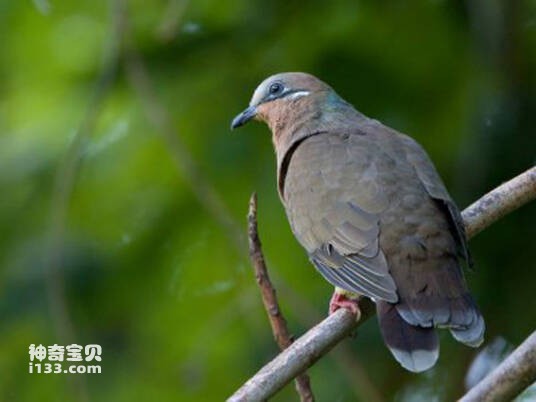
    bd315c6034a85edfcaba9d2e49540923dd54758c_ nine ray image converter. JPG

    Two specimens of Tawi pigeon were collected in Sulu in 1891, but no definitive records have been recorded since. In 1995, several local findings were reported. They are believed to be so rare that they are listed as endangered.

    Listed in the International Union for Conservation of Nature (IUCN) ver 3.1:2010 Red List of birds - Critically Endangered (CR).


    Protect wild animals and eliminate wild meat.

    Maintaining ecological balance is everyone's responsibility!


    Tags

    At a glance

    Profile Details

    Key characteristics, appearance, and habitat information.

    Traits & Behavior

    Appearance

    They have a prominent cluster of red feathers right in the center of their chest. They are endemic to the Philippines.

    Distribution & Habitat

    It is distributed in the Pacific Islands, including Taiwan Province of China, Dongsha Islands, Xisha Islands, Zhongsha Islands, Nansha Islands, and the Philippines, Brunei, Malaysia, Singapore, Indonesia's Sumatra, Java Island, and Papua New Guinea.
    Advertisement

    Visual guide

    Browse available images of this species.

    Quick answers

    Gallicolumba menagei FAQs