Skip to content
Animals Top
Home>Animals>Birds>Landfowl
Animal Profile IUCN: LC

Oena capensis

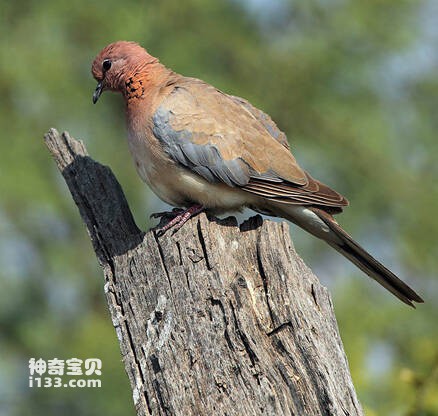
Oena capensis,Namaqua Dove

Its scientific name is Oena capensis and its foreign name is Namaqua Dove.Listed in the International Union for Conservation of Nature (IUCN) ver 3.1: Red List of Birds 2010.Protect wild animals and eliminate wild meat.Maintaining ecological balance is everyone's responsibility!

Landfowl 473 views
Scientific Name Oena capensis,Namaqua Dove
Length No textual research information is available
Weight No textual research information is available
Lifespan No textual research information is available
IUCN Status LC
Advertisement

Table of Contents

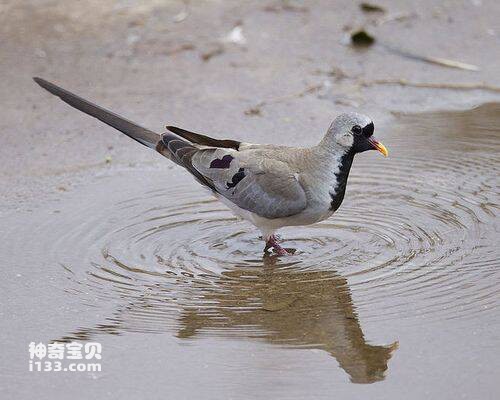
    Its scientific name is Oena capensis and its foreign name is Namaqua Dove.
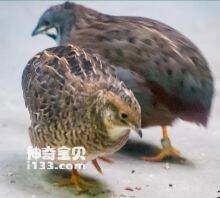
    0 a9c546d2146ed2f5fd931c5c2529f91_ nine ray image converter. JPG

    Listed in the International Union for Conservation of Nature (IUCN) ver 3.1: Red List of Birds 2010.


    Protect wild animals and eliminate wild meat.

    Maintaining ecological balance is everyone's responsibility!


    Tags

    At a glance

    Profile Details

    Key characteristics, appearance, and habitat information.

    Traits & Behavior

    The vision range can reach 300 degrees

    Appearance

    The little Longtail dove is perfectly equipped to detect danger. It can see up to 300 degrees without turning its head, but the catch is that only 30 of them are clear.
    The tiny long-tailed dove is extremely sensitive to sounds that humans cannot hear, and can hear sounds as low as 0.1 Hertz, 80,000 Hertz below the human hearing range, so it can detect the subtle movements of predators.

    Distribution & Habitat

    Small long-tailed doves are found in central and southern Africa, including the southern part of the Arabian Peninsula and the entire African continent south of the Sahara Desert (Tropic of Cancer). The Indian Ocean, including Madagascar and its nearby islands.
    Advertisement

    Visual guide

    Browse available images of this species.

    Quick answers

    Oena capensis FAQs