Skip to content
Animals Top
Home>Animals>Birds>Landfowl
Animal Profile IUCN: LC

Ptilinopus occipitalis

Ptilinopus occipitalis,Yellow-breasted Fruit-dove

Its scientific name is Ptilinopus occipitalis, and its foreign name is Yellow-breasted Fruit-dove.They live in tropical and subtropical forests, feeding mainly on tree tops and occasionally on the ground. They eat mainly small, oily fruits, usually swallowing them whole, digesting the flesh and rele

Landfowl 486 views
Scientific Name Ptilinopus occipitalis,Yellow-breasted Fruit-dove
Length No textual research information is available
Weight No textual research information is available
Lifespan No textual research information is available
IUCN Status LC
Advertisement

Table of Contents

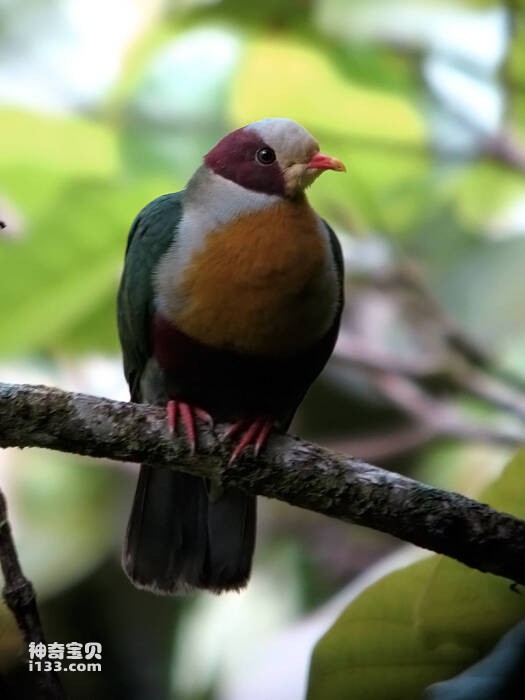
    Its scientific name is Ptilinopus occipitalis, and its foreign name is Yellow-breasted Fruit-dove.
    77094 b36acaf2edd76dbdee48d1001e939019391_ nine ray image converter. JPG

    They live in tropical and subtropical forests, feeding mainly on tree tops and occasionally on the ground. They eat mainly small, oily fruits, usually swallowing them whole, digesting the flesh and releasing the seeds.

    Listed in the International Union for Conservation of Nature (IUCN) ver 3.1: Red List of Birds 2010.


    Protect wild animals and eliminate wild meat.

    Maintaining ecological balance is everyone's responsibility!


    Tags

    At a glance

    Profile Details

    Key characteristics, appearance, and habitat information.

    Traits & Behavior

    Appearance

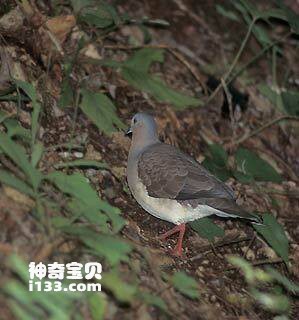
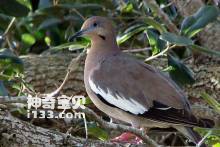
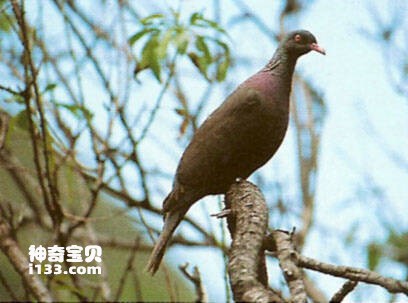
    The feathers are very colorful, and the color of the feathers is very similar to the color of the woodland leaves they inhabit.

    Distribution & Habitat

    It is distributed in the Pacific Islands, including Taiwan Province of China, Dongsha Islands, Xisha Islands, Zhongsha Islands, Nansha Islands, and the Philippines, Brunei, Malaysia, Singapore, Indonesia's Sumatra, Java Island, and Papua New Guinea.
    Advertisement

    Visual guide

    Browse available images of this species.

    Quick answers

    Ptilinopus occipitalis FAQs