Skip to content
Animals Top
Home>Animals>Birds>Landfowl
Animal Profile IUCN: LC

Otidiphaps nobilis

Otidiphaps nobilis,Pheasant Pigeon

The Pheasant Pigeon is known as Otidiphaps nobilis and Pheasant pigeon.Listed in the International Union for Conservation of Nature (IUCN) ver 3.1: Red List of Birds 2010.Protect wild animals and eliminate wild meat.Maintaining ecological balance is everyone's responsibility!

Landfowl 616 views
Scientific Name Otidiphaps nobilis,Pheasant Pigeon
Length No textual research information is available
Weight No textual research information is available
Lifespan No textual research information is available
IUCN Status LC
Advertisement

Table of Contents

    The Pheasant Pigeon is known as Otidiphaps nobilis and Pheasant pigeon.
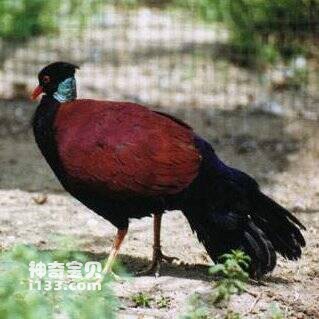
    cb8065380cd79123749f2679ad345982b2b78044_ nine ray image converter. JPG

    Listed in the International Union for Conservation of Nature (IUCN) ver 3.1: Red List of Birds 2010.


    Protect wild animals and eliminate wild meat.

    Maintaining ecological balance is everyone's responsibility!


    Tags

    At a glance

    Profile Details

    Key characteristics, appearance, and habitat information.

    Traits & Behavior

    A strong, walking bird

    Appearance

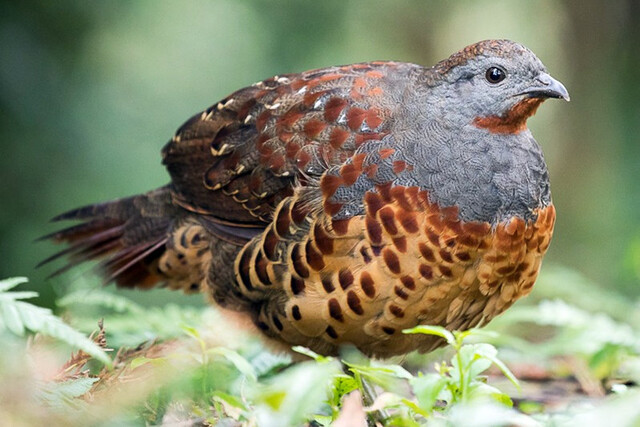
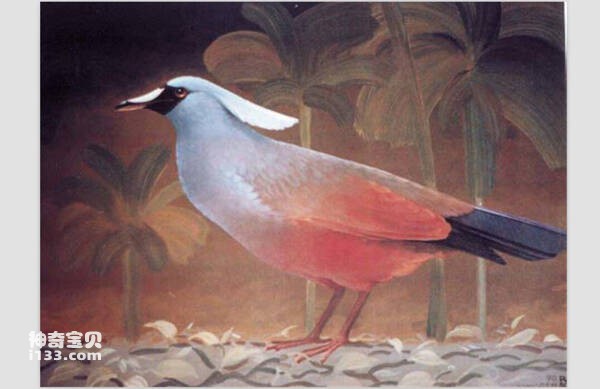
    The mouth is black, the eyes are yellow, the crown is gray, the neck and thorax are lavender red, the abdomen is white, and the wings are brown with black spots.

    Distribution & Habitat

    It is distributed in the Pacific Islands, including Taiwan Province of China, Dongsha Islands, Xisha Islands, Zhongsha Islands, Nansha Islands, and the Philippines, Brunei, Malaysia, Singapore, Indonesia's Sumatra, Java Island, and Papua New Guinea. Wallace Zone refers to the area east of the traditional Wallace Line (from the eastern side of Mindanao through the Makassar Strait between Bali and Lombok) and west of Papua New Guinea, including the Indonesian islands of Sulawesi, Nusa Tenggara Islands, the Southwest Islands, the Moluccas (Maluku Islands), East Timor and other islands.
    Advertisement

    Visual guide

    Browse available images of this species.

    Quick answers

    Otidiphaps nobilis FAQs