Turtles are an ancient group of reptiles, usually classified into the order Testudines. They are found on land, in fresh water and in the ocean and are a diverse group of organisms. Here are detailed information about turtles and their living habits:
Characteristics and classification
Size: Turtles vary in size, from a few centimeters to over two meters.
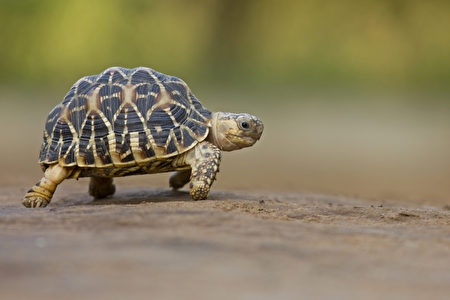
Shell: A turtle's body is covered with a hard carapace for protection.
Living environment: There are many types of turtles, including tortoises (living on land), freshwater turtles (living in freshwater environments) and sea turtles (mainly living in the ocean).
distributed
Turtles are widely distributed, from tropical to temperate regions, and can be found on almost every continent in the world.
Habitat
Land tortoises: They inhabit a variety of terrain environments, such as grasslands, forests, and deserts.
Freshwater turtles: including rivers, lakes and swamps.
Turtles: Mainly live in the ocean, but also come ashore to lay eggs.
eating habits
Food habits: Turtles are usually omnivores and feed on plants, aquatic plants, aquatic insects, etc. Some turtles also eat small fish, crustaceans, and carrion.
living habits
Slow Movement: Turtles move slowly due to their carapace, but can move quickly when needed.
Turtle migration: Some marine turtles migrate, such as green turtles and leatherback turtles, which swim thousands of kilometers during the breeding season.
Reproduction and reproductive behavior
Turtles reproduce by laying eggs. Sea turtles usually lay their eggs on sandy beaches, while tortoises and freshwater turtles dig burrows or choose suitable locations to lay their eggs.
existential threat
Turtles face threats from human activities, habitat loss, climate change and illegal fishing.
relationship with humans
Some turtles are kept as pets, but it is important to note that many species of turtles may not be suitable as pets.
Turtles in some areas are protected by law and protected by conservation policies.
Overall, turtles are an ancient and interesting group of animals that live in a variety of environments and have a wealth of adaptability. Protecting turtles is of great significance to maintaining ecological balance and also helps maintain biodiversity.