In nature, many animals have names starting with the letter "V". They live in different habitats and have unique characteristics and abilities to adapt to their environment. This article will introduce them in detail. Introduce several animals that begin with V and show their main characteristics through a table.
1. Vampire Bat
Vampire bat is A mammal that feeds primarily on the blood of other animals. They usually live in tropical and subtropical areas of the Americas. Although their name sounds scary, vampire bats do not pose a major threat to humans.
2. Vaquita (Vaquita)
The vaquita is an endangered dolphin that lives in the California waters of the Gulf of Mexico. Due to overfishing and pollution, their numbers are extremely low and they are listed as critically endangered.
3. Vervet Monkey
Vervet Monkeys are widely distributed in Africa, especially in sub-Saharan Africa. They live in a variety of Environment, including grasslands, forests and mountains, the diet is very diverse, mainly feeding on fruits, seeds and insects.
4. Viper
Vipers are a type of highly venomous snake that are found in temperate and tropical regions around the world. They are known for their powerful Venomous hunting of small mammals and birds, mainly cold-blooded animals and birds.
5. Vicuna (small alpaca)
Small Alpacas are herbivorous animals native to the Andes Mountains and are related to alpacas and llamas. They live at high altitudes in South America and are known for their fine wool.
Table of main characteristics of animals starting with V
| Animal name | Habitat | Dietary habits | Characteristics | Conservation status |
|---|---|---|---|---|
| Vampire bat (Vampire Bat) | Tropical and subtropical regions of the Americas | Blood | Feeds on blood, nocturnal animal | Least Concern |
| Vaquita | Gulf of Mexico, California | Fish, small crustaceans | Endangered marine mammal, extremely rare | Critically Endangered |
| Vervet Monkey | Sub-Saharan Africa | Fruits, seeds, insects | Flexible adaptability, strong social nature | Least Concern |
| Viper | Temperate and tropical regions around the world | Small mammals, birds | Highly venomous, widespread, highly skilled hunters | Least Concern to Endangered |
| Vicuna | Andes Mountains, South America | Grasses, plants | Wool is valuable, lives at high altitudes | Near Threatened |
These animals starting with V showcase the diversity and uniqueness of the natural world. From the high altitudes of the Andes Mountains to the tropical rainforests, they have demonstrated amazing adaptability. At the same time, many animals are facing threats to their survival, especially species like the vaquita, which require human protection and attention.
Which animals in the world are based on Starting with W
World Animals with names starting with the letter "W" are abundant and varied, and are found in a variety of habitats. Here are some famous animals starting with "W":
1. Walrus
Introduction: Walrus is a large marine mammal that lives in the Arctic. Known for its huge tusks and thick fat layer.
Habitat: Arctic Ocean
Diet: It feeds mainly on shellfish and also preys on other marine life.
2. Wolf
Introduction: Wolves are a social predator of the Canidae family, widely distributed in North America, Europe, Asia, etc. They usually live in groups. They hunt in a variety of forms and have a complex social structure.
Habitat: forests, grasslands, mountains
Diet: Carnivorous, preying on small and medium-sized mammals such as deer and rabbits.
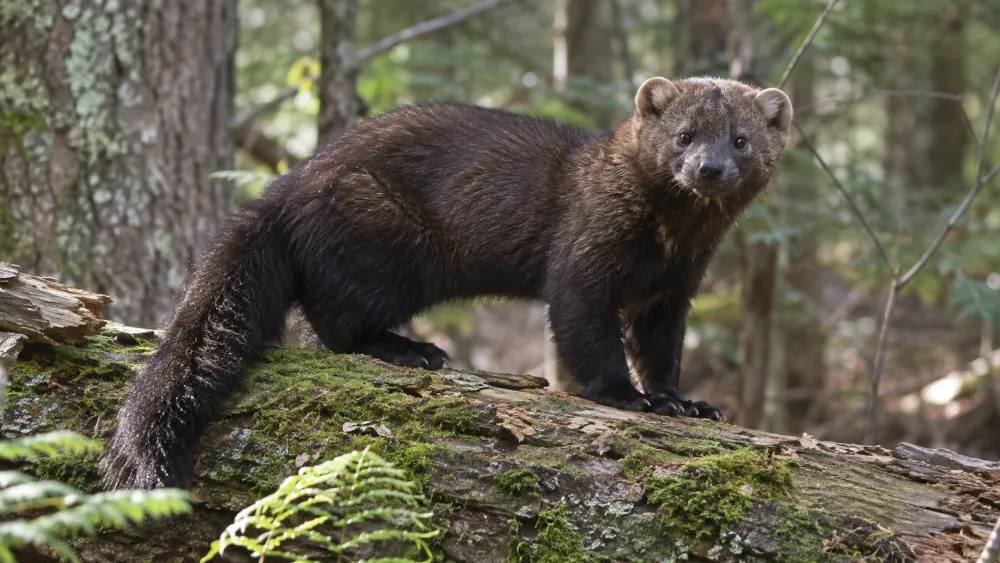
3. Wolverine
Introduction: Wolverine is a strong carnivorous mammal known for its aggressiveness and cold tolerance. Although they are small in size, they have a strong bite force and strong survival ability.
Habitat: Cold forests and mountains in North America, Europe and Asia
Diet: Omnivorous, feeding on small mammals, birds and carrion.
4. Wallaby
Introduction: Wallabies are a type of kangaroo, but smaller in size, and live in Australia and surrounding islands. They have strong hind legs and are good at jumping.
Habitat: Grasslands and forests in Australia
Eating habits: Herbivorous, mainly feeding on grass and leaves.
5. Weasel
Introduction: Weasels are small carnivorous mammals known for their slender body and agility. They are very efficient predators.
Habitat: Forests and grasslands in North America, Europe and Asia
Diet: Mainly feeds on rodents and birds.
6. Whale
Introduction: Whales are the largest mammals in the world and are divided into two categories: toothed whales and baleen whales. They swim in the ocean and are top predators or filter feeders.
Habitat: Global oceans
Diet: Baleen whales feed on plankton and small fish, while toothed whales prey on fish and marine mammals.
7. Wombat
Introduction: Wombats are short and stocky herbivorous mammals that live in Australia. They are known for digging burrows and have hard hind legs and powerful claws.
Habitat: Grasslands and forests of Australia
Diet: Herbivorous, mainly feeding on grasses and roots.
8. Woodpecker
Introduction: Woodpeckers are medium-sized birds known for their behavior of tapping on trees to find food and build nests.
Habitat: Various forest environments
Diet: Mainly feeds on insects and larvae in tree bark.
9. Warthog
Introduction: Warthogs are a species of wild pig in Africa known for their distinctive warty bumps on their faces. They live in open grasslands and savannas.
Habitat: Grasslands and savannas of Africa
Diet: Omnivorous, feeding mainly on grasses, roots, and fruits.
Table of main characteristics of animals starting with W
| Animal name | Habitat | Diet | Characteristics | Conservation status |
|---|---|---|---|---|
| Walrus | Arctic waters | Shellfish | With huge tusks and thick fat layer | Least Concern |
| Wolf | Forests, grasslands, mountains | Small and medium-sized mammals | Social predator, complex social structure | Least Concern |
| Wolverine | Cold forests of North America, Europe, and Asia | Small mammals, carrion | Has strong bite force and strong cold resistance | Near Threatened |
| Wallaby | Grasslands and forests of Australia | Grasses and leaves | A close relative of the kangaroo, good at jumping | Least Concern |
| Weasel | Grasslands of North America, Europe, and Asia | Rodents and birds | Small, agile, and efficient predator | Least Concern |
| Whale | Global oceans | Fish, plankton | Largest marine mammal, social | Some species are endangered |
| Wombat | Grasslands and forests of Australia | Grasses, rhizomes | Good at digging holes, short and sturdy | Least concern |
| Woodpecker | Various forest environments | Insects, larvae in bark | Knock on trees to find food and build nests | Least concern |
| Warthog | Grasslands and savannas of Africa | Grass, roots, fruits | Warty bumps on the face, adapted to dry environments | Least Concern |
Animals starting with W are diverse, covering a wide range from marine behemoths to small mammals. They have adapted to a variety of different environments, showing amazing survival and adaptability. However, some species face survival challenges due to human activities and environmental changes, and we need to give more attention and protection.