What is the most chill animal in the world? Sloths, capybaras, koalas, pandas, manatees and sea otters are famous for looking relaxed. Some move slowly, others spend long periods resting, and a few seem perfectly content floating in the water.
However, looking calm is not the same as being free from stress. Every wild animal must find food, avoid danger, reproduce and respond to changing conditions.
There is no scientific ranking of the world's most relaxed animals. Instead, this list explores 10 animals famous for their laid-back appearance and explains the real biology behind their behavior.
10 Most Chill Animals at a Glance
| Animal | Why It Looks Relaxed | What's Really Happening |
|---|---|---|
| Sloth | Slow movement and long periods of inactivity | Energy conservation and camouflage |
| Koala | Spends much of the day sleeping or resting | Specialized low-energy diet |
| Capybara | Often rests in social groups near water | Social behavior and predator awareness |
| Giant panda | Alternates between bamboo feeding and resting | Energy demands of a fibrous diet |
| Manatee | Slow swimming and gentle-looking movements | Aquatic grazing and energy conservation |
| Sea otter | Floats on its back and rests at the surface | Resting, grooming and staying warm |
| Tortoise | Usually moves slowly on land | Body structure and ectothermic physiology |
| Dugong | Glides through shallow coastal waters | Specialized seagrass feeding |
| Alpaca | Often seen grazing quietly in herds | Social grazing with alert behavior |
| Elephant | May appear calm while walking or resting | Complex social behavior and environmental awareness |
These animals are presented for their distinctive behavior and popular reputation, not as a scientifically measured ranking of happiness or stress levels.
1. Sloth: The Ultimate Slow-Motion Animal
Sloths are probably the first animals people imagine when they hear the word "chill." They move slowly through tropical forest canopies and often remain almost motionless among branches.
But sloths are not simply lazy. Their slow movement is an adaptation that helps them conserve energy.
Sloths have exceptionally low metabolic rates compared with many other non-hibernating mammals. Their leaf-based diet provides limited energy, so moving efficiently and avoiding unnecessary activity can be advantageous.
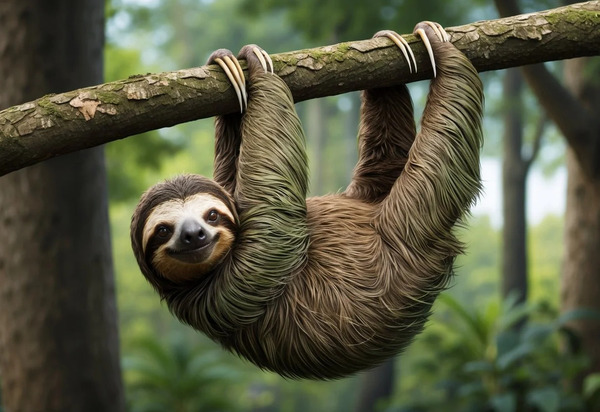
A sloth's slow lifestyle is an effective adaptation to life in the forest canopy.
Do sloths really sleep 20 hours a day?
Not typically in the wild. A scientific study using small recording devices found that wild three-toed sloths slept approximately 9.6 hours per day.
Sloths may spend additional time resting quietly without actually sleeping. This distinction is important because inactive behavior can easily be mistaken for sleep.
Why they seem chill: Slow movement, low energy expenditure and long periods of quiet resting behavior.
2. Koala: The Sleepy Eucalyptus Specialist
Koalas are Australian marsupials famous for resting in trees. Their fluffy ears, rounded faces and sleeping positions contribute to their relaxed reputation.
Koalas feed mainly on selected eucalyptus leaves. These leaves are fibrous, relatively low in available energy and contain chemical compounds that require specialized digestion.
To cope with this diet, koalas spend substantial time resting.
Australian wildlife organizations report that koalas may sleep or rest for roughly 18–20 hours per day, although actual activity varies with conditions and individuals.
Are koalas always gentle and calm?
No. Koalas can climb rapidly, make loud vocalizations and defend themselves when threatened or disturbed.
They are wild animals with sharp claws and strong jaws. Their sleepy appearance should not be interpreted as an invitation to handle them.
Why they seem chill: Long resting periods associated with energy conservation and a specialized diet.
3. Capybara: The Social and Easygoing-Looking Rodent
Capybaras are the world's largest living rodents. Native to South America, they are strongly associated with rivers, marshes and other wet habitats.
Capybaras have become internet favorites because of videos showing them sitting quietly near birds, turtles and other animals.
They are highly social and commonly live in groups. Their partially webbed feet and aquatic adaptations allow them to swim effectively and seek refuge in water.
Are capybaras really friends with every animal?
No. Viral images create that impression, but capybaras still face danger from predators such as jaguars, pumas and caimans.
The Natural History Museum explains that group living helps capybaras detect danger. An alert individual can warn others, which may retreat into the water.
Capybaras may tolerate nearby animals under certain circumstances, but that does not mean they are universally friendly or never stressed.
Why they seem chill: Social resting, grazing and frequent time spent near or in water.
4. Giant Panda: Eat Bamboo, Rest, Repeat
Giant pandas are among the world's most recognizable animals. Their rounded appearance and frequent resting behavior make them seem exceptionally relaxed.
Wild pandas feed mainly on bamboo, which is fibrous and relatively low in usable energy.
Smithsonian's National Zoo explains that giant pandas may spend roughly 10–16 hours a day foraging and eating bamboo. Much of their remaining time is devoted to resting.
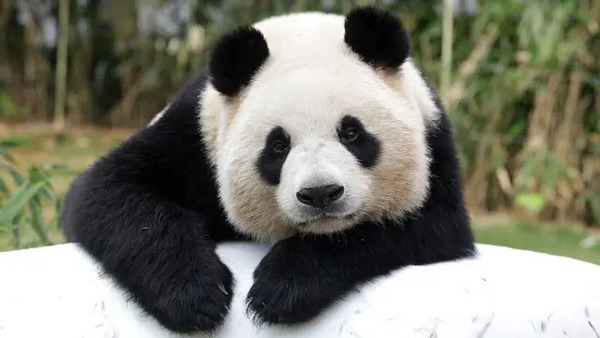
Giant pandas spend long periods feeding and resting because of their specialized bamboo diet.
Are giant pandas harmless because they look relaxed?
No. Giant pandas are bears with considerable physical strength. They possess powerful jaws and sharp claws and should never be approached or handled as if they were domestic animals.
Their quiet feeding behavior is not proof that they are consistently peaceful toward other animals or humans.
Learn more about panda feeding and cultural history in our article Why Giant Pandas Were Called Iron-Eating Beasts.
Why they seem chill: Long bamboo-feeding sessions followed by frequent periods of rest.
5. Manatee: The Gentle-Looking Sea Cow
Manatees are large aquatic mammals that inhabit warm coastal waters, estuaries and freshwater habitats, depending on the species.
They are often called sea cows because they graze on aquatic vegetation and usually move slowly through the water.
Manatees can appear exceptionally peaceful when swimming, resting or feeding in shallow habitats.
Do manatees have completely carefree lives?
No. Their slow movements and use of shallow water can make them vulnerable to human activity.
Florida wildlife authorities identify boat collisions and the loss of warm-water habitat as major threats to Florida manatees.
Manatees need suitable water temperatures, healthy feeding habitats and protection from disturbance.
Why they seem chill: Slow swimming, gentle-looking movements and long periods of aquatic grazing.
6. Sea Otter: Floating and Resting on Its Back
Sea otters are marine mammals that spend much of their lives in coastal waters of the North Pacific.
They are famous for floating on their backs, sometimes in groups called rafts.
Sea otters may rest at the surface, groom their fur and manipulate food using their forepaws. Their floating posture can make them look as though they are relaxing in a swimming pool.
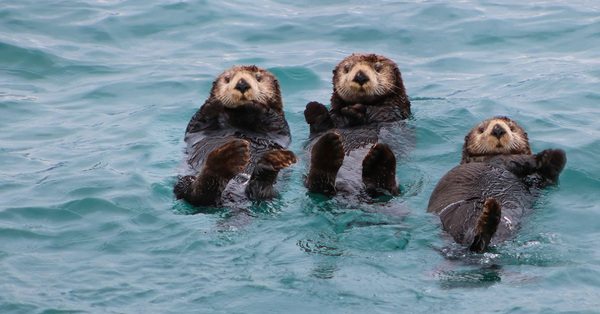
Sea otters often rest at the water's surface, sometimes gathering in groups called rafts.
Do sea otters really hold hands while sleeping?
Sometimes. The Seattle Aquarium explains that sea otters occasionally hold paws while resting, but the behavior is less common than many viral videos suggest.
Sea otters also rely on their exceptionally dense fur and frequent grooming to maintain insulation. Their seemingly leisurely floating behavior is part of a demanding aquatic lifestyle.
Why they seem chill: Floating on their backs, resting in groups and grooming at the surface.
7. Tortoise: Slow and Steady on Land
Tortoises are land-dwelling turtles with body structures adapted primarily for terrestrial movement.
Many have heavy shells and sturdy limbs. Their movement can look unhurried compared with that of fast-running mammals.
Tortoises are ectothermic reptiles, meaning they depend heavily on environmental heat for body-temperature regulation.
They may bask, seek shade or shelter during unfavorable conditions to conserve energy and maintain suitable temperatures.
Are all tortoises slow?
Tortoises are generally not built for high-speed running, but their movement patterns vary among species. They can move surprisingly purposefully when seeking food, mates or shelter.
Their pace should not be interpreted as evidence that they never experience stress.
Why they seem chill: Steady terrestrial movement and frequent periods of resting or basking.
8. Dugong: The Quiet Seagrass Grazer
Dugongs are marine mammals found in warm coastal waters of the Indo-Pacific region.
Closely related to manatees, dugongs are specialized for feeding on seagrass growing along shallow seabeds.
They use their downward-facing muzzles to graze and can leave distinctive feeding trails in seagrass meadows.
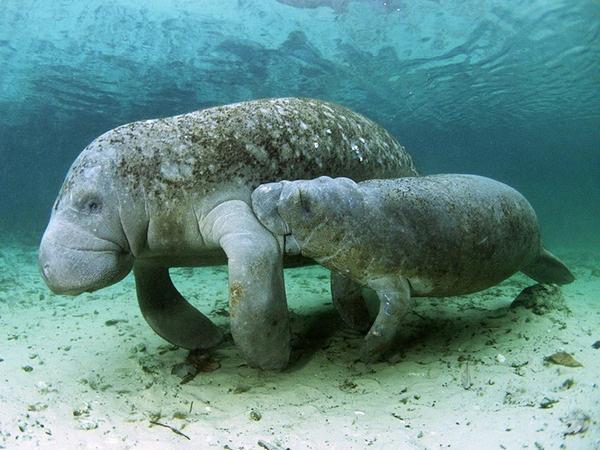
Dugongs are gentle-looking marine mammals specialized for seagrass feeding.
Dugongs may move slowly while feeding, but they can also respond rapidly to danger.
Threats include habitat degradation, entanglement in fishing gear and disturbance in coastal environments.
Want to tell these two sea cows apart? Read our Manatee vs Dugong comparison.
Why they seem chill: Slow, steady grazing in shallow seagrass habitats.
9. Alpaca: The Calm-Looking Farm Grazer
Alpacas are domesticated camelids originating from South America, especially the Andean region.
They are often seen grazing quietly in groups. Their fluffy coats, gentle-looking faces and steady movements contribute to their peaceful reputation.
Alpacas are social herd animals, and their behavior is strongly influenced by how they are handled, their surroundings and the other animals in their group.
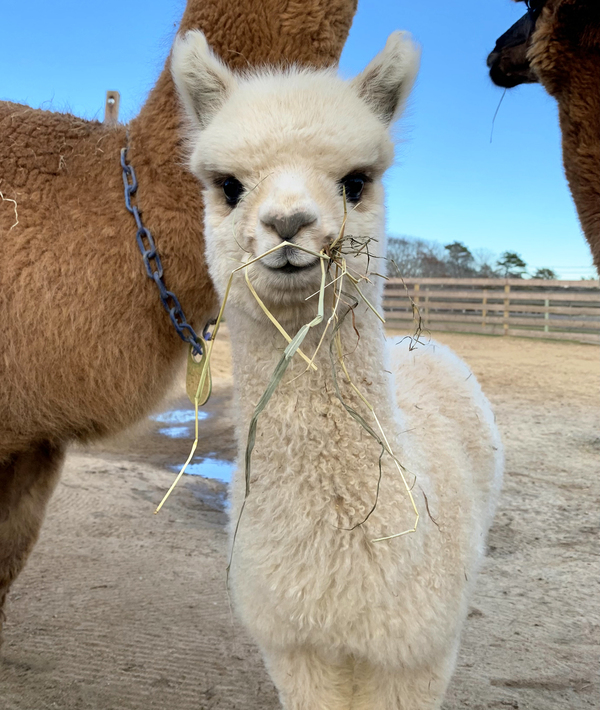
Alpacas are social grazing animals whose quiet appearance contributes to their relaxed reputation.
Are alpacas always calm around people?
No. Alpacas can become nervous, defensive or stressed when handled improperly, separated from companions or exposed to unfamiliar situations.
Good animal care includes sufficient space, suitable companions and careful handling that respects their behavior.
Why they seem chill: Group grazing and calm-looking behavior in familiar surroundings.
10. Elephant: The Thoughtful-Looking Giant
Elephants often move at a measured walking pace and can spend considerable time feeding, socializing and resting.
The sight of a large elephant quietly using its trunk to gather vegetation can appear remarkably peaceful.
But elephants are among the most socially complex land mammals. They communicate through sounds, body movements and chemical signals, and their group relationships play an important role in daily life.
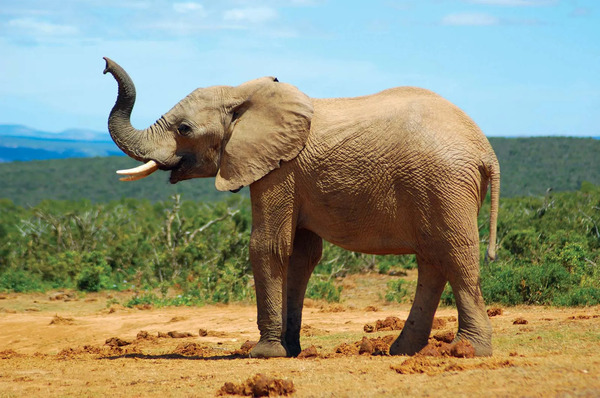
Elephants may appear calm while feeding or walking, but they are powerful, highly aware wild animals.
Does a calm-looking elephant mean it is safe to approach?
Absolutely not. Elephants can react defensively when they perceive a threat, particularly when calves are nearby or when their space is disturbed.
A quiet posture does not reliably reveal an elephant's internal emotional state.
Why they seem chill: Deliberate movements, social interaction and periods of quiet feeding.
What Makes an Animal Look Relaxed?
Several biological and behavioral factors can make an animal appear especially calm.
1. Energy Conservation
Animals such as sloths and koalas spend substantial time inactive because their diets and energy budgets favor conserving resources.
2. Resting Behavior
Sea otters, pandas and other mammals use resting periods as part of their normal daily routines.
3. Social Living
Animals such as capybaras and alpacas often rest in groups. Being near familiar companions can be an important part of their social lives.
4. Slow Movement
Manatees, dugongs and tortoises generally move at a slower visible pace than many familiar mammals. That does not mean they lack awareness or cannot move quickly when necessary.
5. Environmental Conditions
Animals may appear inactive when temperatures are unfavorable, during resting periods or after feeding.
Therefore, relaxed-looking behavior should be interpreted in its ecological context rather than treated as proof that the animal feels happy or stress-free.
Are the Chillest Animals Also the Laziest?
Not necessarily. Words such as "lazy" and "chill" are human descriptions rather than formal biological categories.
A sloth's slow movement is an adaptation. A koala's long rest periods support its energy budget. A sea otter floating on its back may be conserving energy or grooming its insulating fur.
These animals are not necessarily doing less because they lack motivation. Their behavior helps them survive in specific environments.
Which Animal Sleeps the Most?
There is no universal answer that applies across every species, environment and measurement method.
Koalas are well known for extensive daily sleeping and resting periods, often reported around 18–20 hours.
Sloths provide an interesting contrast. Although they have a reputation for sleeping almost all day, studies of wild three-toed sloths found roughly 9–10 hours of sleep per day.
This demonstrates why direct scientific measurements are more reliable than judging an animal from its appearance.
Frequently Asked Questions
What is the chillest animal in the world?
There is no scientific winner. Sloths, capybaras, koalas, manatees and sea otters are popular examples of animals that look relaxed, but their behavior reflects different biological adaptations.
Are capybaras the friendliest wild animals?
Capybaras are social animals and may tolerate the presence of other species. However, they remain wild rodents and can react defensively when threatened. Social behavior should not be confused with universal friendliness.
Why are sloths so relaxed?
Sloths move slowly primarily because of adaptations related to energy conservation and life in the forest canopy. Their quiet behavior is not proof that they are free from stress.
Do koalas really sleep all day?
Koalas spend substantial portions of their day sleeping and resting, often around 18–20 hours. Their specialized eucalyptus diet is one important reason for this behavior.
Why do sea otters float on their backs?
Sea otters float on their backs while resting, grooming and sometimes handling food. Their buoyant bodies and aquatic adaptations allow them to spend considerable time at the surface.
Are manatees and dugongs peaceful animals?
They are generally slow-moving herbivorous marine mammals, but both must respond to threats. Their gentle appearance should not lead people to disturb or approach them.
Can a calm-looking animal be dangerous?
Yes. Large or powerful animals can react defensively even when they initially appear relaxed. Always respect wildlife and maintain a safe distance.
Final Thoughts
The world's most chill-looking animals are fascinating because their behaviors reflect different survival strategies.
Sloths conserve energy, koalas rest extensively between feeding periods, capybaras live socially, pandas spend hours processing bamboo, and sea otters rest at the ocean's surface.
These behaviors may look relaxing to us, but they also illustrate the remarkable diversity of animal ecology.
The takeaway: Enjoy watching animals that appear peaceful, but remember that calm-looking behavior is not the same as a stress-free life.