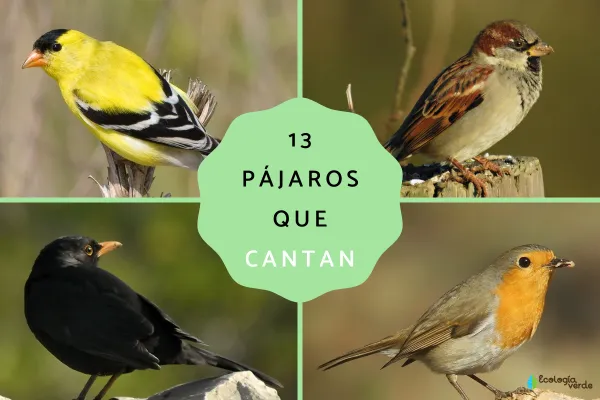
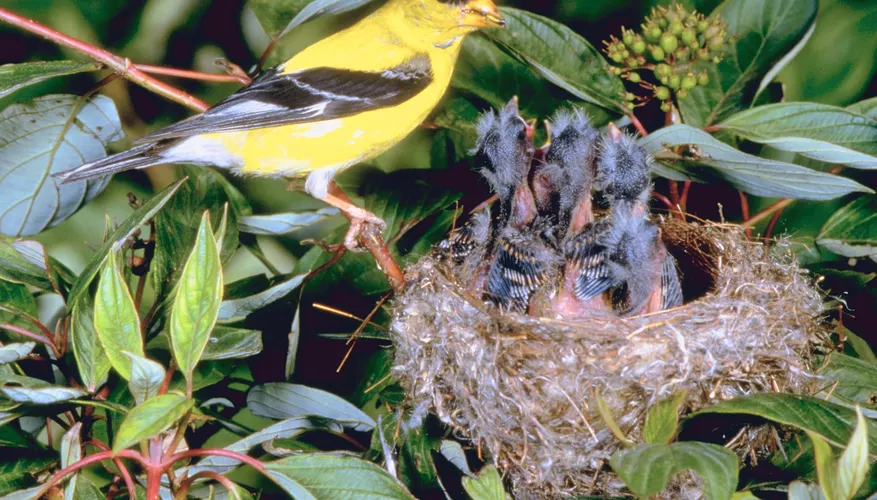
The yellow finch, also known as the American goldfinch (Spinus tristis), is a striking bird native to North America. Known for its vibrant yellow feathers and black trim, this bird thrives across various North American regions, adapting well to different environments from urban areas to remote deserts. This guide explores the preferred habitats of the yellow finch, its migratory patterns, and its nesting and housing preferences.
Preferred Habitat of the Yellow Finch
Yellow finches favor open environments where they can easily access food and nesting materials. They are commonly found in:
| Habitat Type | Characteristics |
|---|---|
| Meadows and fields | Open spaces with low vegetation |
| Weedy lots | Areas with abundant seed-producing plants like thistle and sunflower |
These birds prefer areas with minimal tall growth but abundant lower-growing cover, which provides safety and food resources. They particularly enjoy regions abundant in plants that produce small seeds, such as asters, sunflowers, dandelions, and especially thistles.
Geographical Range and Migration Patterns
The yellow finch is widely distributed across North America, with its presence varying seasonally:
| Region | Seasonal Presence |
|---|---|
| Saskatchewan to Quebec | Summer ranges |
| Gulf Coast of Mexico | Winter migration destination |
| Southern California, Florida, Mexico | Common winter habitats |
| Pacific Northwest, Midwestern US | Year-round presence |
In regions where temperatures drop below zero degrees Fahrenheit, yellow finches migrate southward to milder climates during the winter months, returning to cooler areas during the summer for breeding.
Nesting Habits of Yellow Finches
Yellow finches typically choose nesting sites on the edges of their habitats, often in tall trees or bushes. Both the male and female are involved in selecting the optimal site. Their nests are intricately built at the junction of several branches and are lined with soft materials like dandelion fluff and thistle down, which are readily available in their environment.
Bird House Preferences for Yellow Finches
Although yellow finches generally do not nest in traditional birdhouses, they may utilize them under certain conditions:
| Housing Type | Specifications |
|---|---|
| Basket-style house | Open top, used as a base for nest building |
| Regular bird house | Used occasionally for temporary shelter |
For those interested in attracting yellow finches, the bird house or nesting basket should be small, measuring approximately 6 inches wide by 12.5 inches tall by 8.5 inches deep, with a 1.5-inch entrance featuring a predator guard. It is recommended to place these structures at least 8 feet off the ground in an area with plenty of open space to accommodate the bird’s preference for open habitats.
Conclusion: Supporting Yellow Finch Populations
Understanding the habitat and nesting preferences of the yellow finch can help bird enthusiasts and conservationists provide better support for these vibrant birds. By aligning bird housing and conservation efforts with the natural behaviors and preferences of the yellow finch, we can ensure these birds continue to thrive in their native environments.