Skip to content
Animals Top
Home>Animals>Mammal>Rodents
Animal Profile IUCN: LC

Niviventer coxingi

Niviventer coxingi,Niviventer culturatus,Coxing

The taxonomic status of this species is stable and there is little controversy. It is distributed in tropical evergreen broad-leaved forests, forest edges and shrubs below 2000m above sea level.
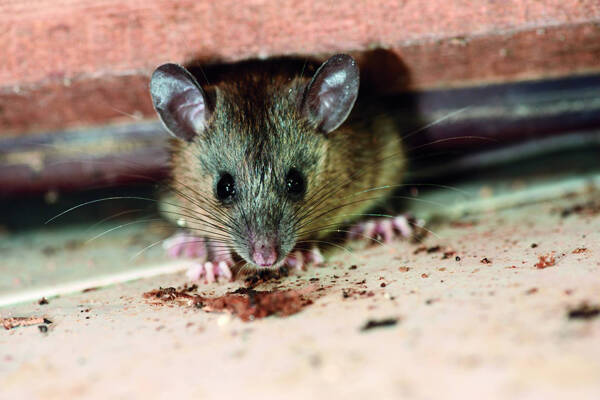
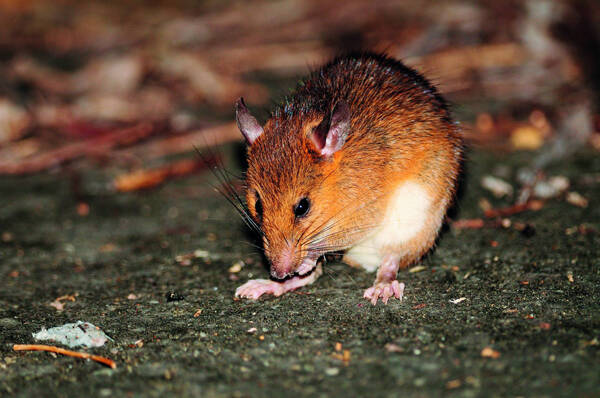
Rodents 807 views
Scientific Name Niviventer coxingi,Niviventer culturatus,Coxing
Length 160-205mm
Weight
Lifespan
IUCN Status LC
Advertisement

Table of Contents

    The taxonomic status of this species is stable and there is little controversy. It is distributed in tropical evergreen broad-leaved forests, forest edges and shrubs below 2000m above sea level.
    1_九雷图片转化为.jpg

    2_九雷图片时钟.jpg

    3_九雷图片转化为.jpg

    At a glance

    Profile Details

    Key characteristics, appearance, and habitat information.

    Traits & Behavior

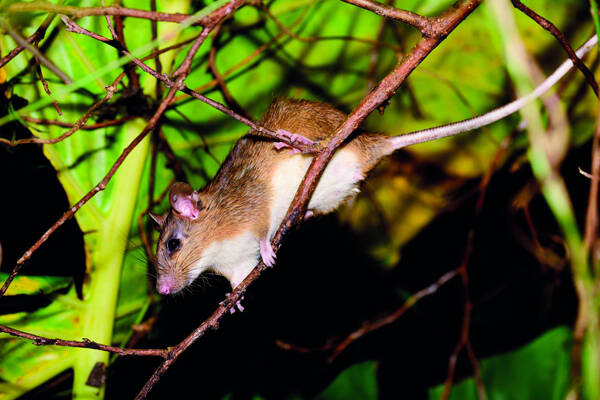
    The belly is grayish white, the dorsal surface is yellowish brown, and the tentacles are very long.

    Appearance

    The individual is large, and it is one of the largest species of the genus Lepidoptera. The body length is 160-205mm, the tail length is 174-262mm; the hind leg length is 30-37mm. The dorsal fur of the body is soft, with elastic soft spines and harder needle hairs; the fur on the back is reddish brown to yellowish brown; the abdomen is creamy white, and the dorsal and ventral boundaries are obvious. The tail is slightly shorter than the body length, or slightly longer than the body length, generally 105%-125% of the body length; the upper and lower tails are two-colored, the ventral side is grayish white, and the dorsal side is yellowish brown. The dorsal side of the foot is brown, the sides are white, and the fingers (toes) are white. The ears are brown-black. The antennae are very long. The individual is large, and it is one of the largest species of the genus Lepidoptera. The body length is 160-205mm, the tail length is 174-262mm; the hind leg length is 30-37mm. The dorsal fur of th

    Distribution & Habitat

    It is endemic to China and is only distributed in Taiwan.
    Advertisement

    Visual guide

    Browse available images of this species.

    Quick answers

    Niviventer coxingi FAQs