Skip to content
Animals Top
Home>Animals>Mammal>Rodents
Animal Profile IUCN: LC

Callosciurus inomatus

Callosciurus inomatus,

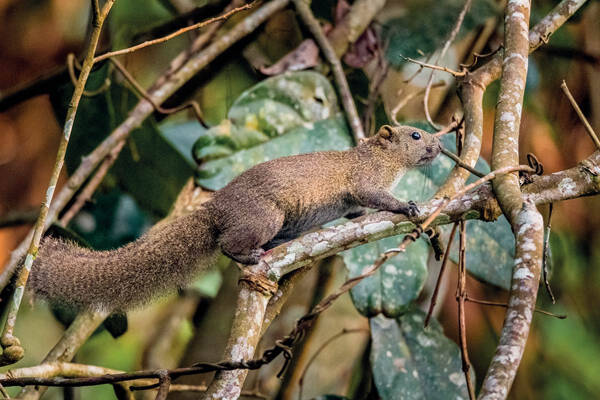
Indochinese squirrels are arboreal animals, distributed in southern Yunnan (Xishuangbanna, Jiangcheng, Luchun, Jinping and Hekou east of the Lancang River). They live in tropical rainforests and monsoon forests below 1,000 meters above sea level, mostly active on low trees at the edge of the forest.

Rodents 680 views
Scientific Name Callosciurus inomatus,
Length
Weight
Lifespan
IUCN Status LC
Advertisement

Table of Contents

    Indochinese squirrels are arboreal animals, distributed in southern Yunnan (Xishuangbanna, Jiangcheng, Luchun, Jinping and Hekou east of the Lancang River). They live in tropical rainforests and monsoon forests below 1,000 meters above sea level, mostly active on low trees at the edge of the forest. Most of their nests are built in tree holes, and they are active at dawn and dusk. They feed on flowers, fruits, seeds, young branches and leaves, buds, etc. of plants, and also eat bird eggs and insects.
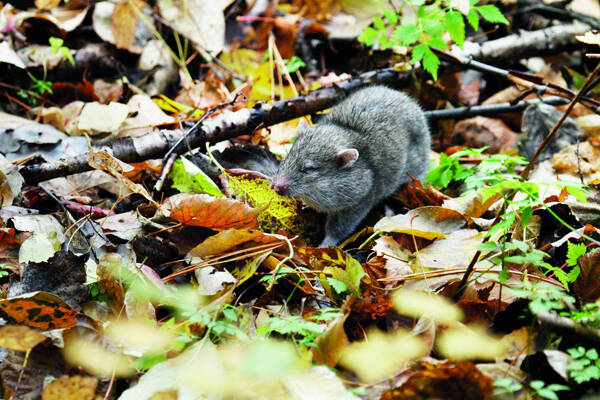
    1_九雷图片转化为.jpg

    At a glance

    Profile Details

    Key characteristics, appearance, and habitat information.

    Traits & Behavior

    Appearance

    The ventral surface (from the chin to the wrist and ankle joints of the limbs) is light blue-gray. The back is olive-gray, with no light spots on the buttocks. The ears are the same color as the back. The back of the limbs is similar to the back of the body. The tail is the same color as the back, but with black hair tips. There are usually 5 black rings on the tail. The color of the ventral surface of the tail is lighter than the back, and is brown-yellow-white.

    Distribution & Habitat

    In China, it is distributed in southern Yunnan (Xishuangbanna, Jiangcheng, Luchun, Jinping and Hekou east of the Lancang River). Abroad, it is distributed in Laos and northern Vietnam.

    It is diurnal and lives in tropical rainforests and monsoon forests below 1000m above sea level, mostly active on low trees at the edge of the forest.
    Advertisement

    Visual guide

    Browse available images of this species.

    Quick answers

    Callosciurus inomatus FAQs