Vertebrates are animals with a backbone that have gradually developed diverse ecological types and morphological characteristics during the long process of evolution. Based on fossil records and biological research, it is currently believed that the evolutionary sequence of vertebrates is as follows:
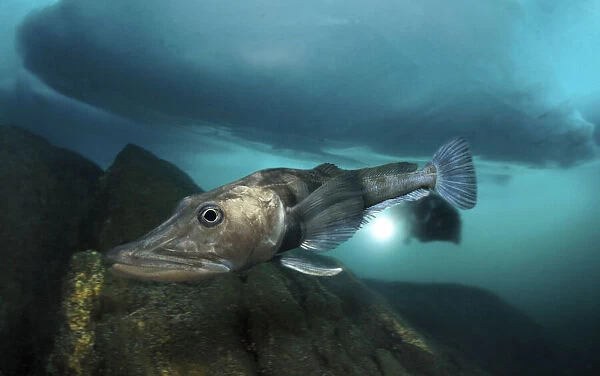
1. Fish: About 500 million years ago, the earliest vertebrates appeared. They were some fish, such as ascidians, echinoderms, etc.
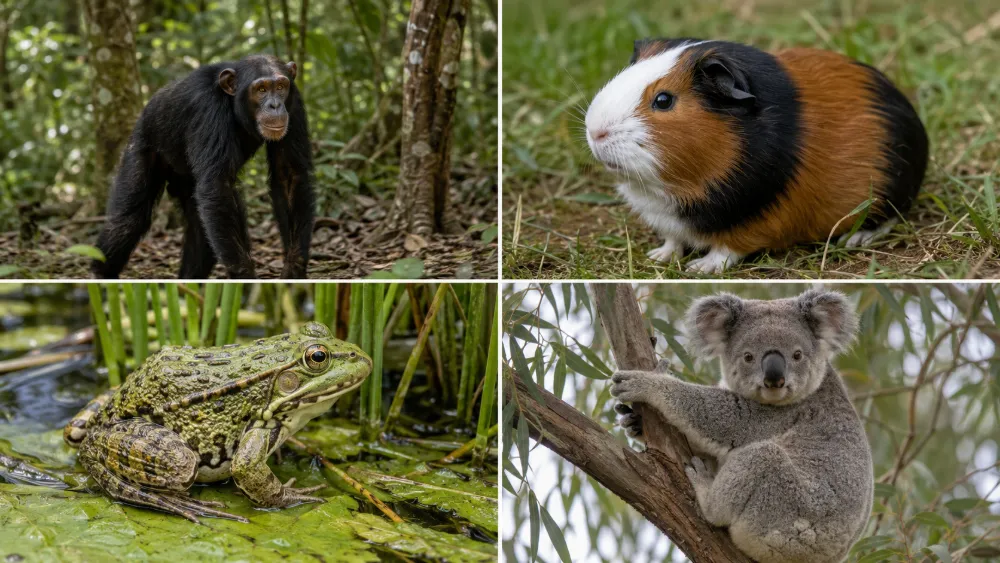
2. Amphibians: About 360 million years ago, some fish began to develop on land and gradually evolved into amphibians, such as salamanders, frogs, etc.
3. Reptiles: About 310 million years ago, some amphibians began to evolve into reptiles, such as dinosaurs, crocodiles, etc.
4. Birds: About 150 million years ago, a branch of reptiles evolved into birds, becoming a highly evolved animal.
5. Mammals: About 200 million years ago, mammals began to appear as a group and gradually evolved into diverse forms and ecological types, such as carnivores, rodents, primates, etc.
It should be noted that the evolution of vertebrates is a long and complex historical process, producing a variety of species in different periods and environments. At the same time, there are also close connections and interactions between different taxa, which provide important references for us to understand the origin and evolution of life.