Golden bell is an insect, also known as cicada (cicada in the narrow sense) or brown-winged cicada, belonging to the order Hemiptera, Cicadae, superfamily Cicadae. The following is a detailed introduction about Jinlingzi:
Appearance features:
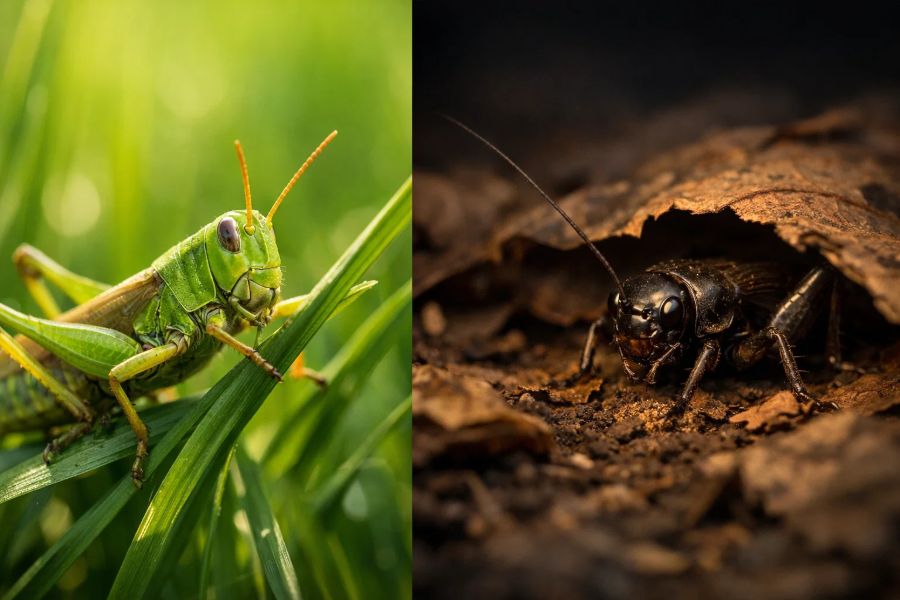
The golden bell is a large insect with an eye-catching appearance. The adult body length is generally about 3-5 cm.
The body color of the adult insect is usually grayish brown or dark brown, with transparent wings and a metallic luster patch on the forewing, hence the name "Golden Bell".
Male golden bells have well-developed elytra, are usually larger, and emit a chirping sound.
Living habits:
The life history of golden bells is the same as that of cicadas, from eggs, nymphs and pupae to adults, which go through several molts.
Golden bells live on trees or shrubs, and the nymphs mainly feed on plant sap.
In summer, male golden bells emit a crisp and continuous chirping sound to attract female golden bells.
Distribution and habitat:
Golden bell seeds are widely distributed, mainly living in Asia, Europe and the African continent.
They prefer to live in warm and humid environments, such as forests, bushes, and grass.
Cultural significance:
Golden bells are regarded as auspicious objects in some areas, and are often used as objects of creation by poets or literati.
The chirping of golden bells is also considered a unique sound in summer, bringing people a cool and comfortable feeling.
In general, golden bells are a widely distributed and eye-catching insect. They live on trees or shrubs and have unique chirping sounds. They also have special symbolic meanings in some cultures.