Cashmere is a luxurious and highly sought-after fabric, renowned for its softness and warmth. But what exactly is cashmere, and where does it come from? In this article, we will delve into the origins of cashmere, the animals that produce it, and the processes involved in transforming raw fibers into the high-quality material we know today.
The Source of Cashmere: The Cashmere Goat
Overview
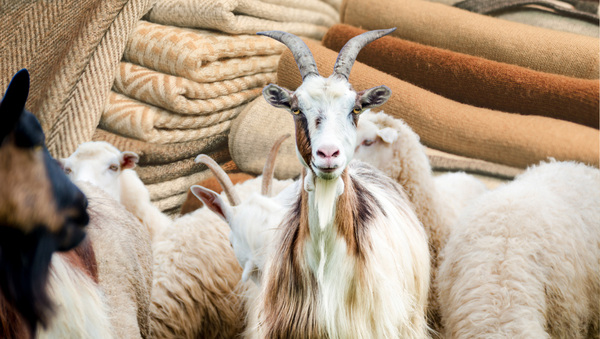
Cashmere comes primarily from the Cashmere goat, a breed native to the high-altitude regions of Asia, particularly in Mongolia, China, India, and Nepal. These goats have adapted to extreme cold conditions, which is crucial for producing the fine, soft undercoat fibers known as cashmere.
Characteristics of Cashmere Goats
Cashmere goats are medium-sized animals with long, shaggy outer coats that protect them from harsh weather. However, it is the fine, soft undercoat, which they shed naturally each spring, that is collected to produce cashmere. Each goat typically produces between 0.5 to 2 kg of cashmere wool annually, depending on its age and health.
The Process of Cashmere Production
Shearing and Collecting
The process of cashmere production begins with the annual molting period, during which goats naturally shed their undercoats. Goatherds carefully collect these fibers by hand. This process is labor-intensive but essential to ensure the quality of the cashmere.
Cleaning and Sorting
Once collected, the raw cashmere is cleaned to remove dirt, grease, and other impurities. After cleaning, the fibers are sorted based on their quality, length, and color. Higher-quality fibers are typically finer and softer, making them more desirable for luxury products.
Spinning and Weaving
After sorting, the cashmere fibers are spun into yarn and then woven into fabric. The spinning process can significantly affect the texture and quality of the final product. Various weaving techniques can produce different textures, contributing to the fabric’s final feel.
Why is Cashmere So Special?
Softness and Warmth
Cashmere is renowned for its incredible softness, which comes from the fine diameter of the fibers. This softness, combined with excellent insulation properties, makes cashmere a favorite choice for luxury clothing items such as sweaters, scarves, and coats.
Rarity and Value
The rarity of cashmere also contributes to its high value. The limited quantity produced each year, along with the labor-intensive collection process, makes cashmere one of the most expensive natural fibers in the world.
Sustainable Practices
In recent years, there has been a growing focus on sustainable cashmere production. Many producers are adopting ethical practices to ensure the welfare of goats and the environment, such as rotational grazing and avoiding overgrazing in sensitive areas.
Conclusion
Cashmere, derived from the undercoat of Cashmere goats native to Asia, stands out for its luxurious feel and warmth. The intricate process of collecting, cleaning, and transforming raw fibers into high-quality fabric makes cashmere a cherished material in the fashion industry. As consumer awareness about sustainable practices grows, the future of cashmere production may become increasingly focused on ethical and environmentally friendly methods, ensuring that this beautiful fiber continues to be valued for generations to come.