The egg production of chickens is affected by many factors such as nutrition, environment, breed, lighting and management methods. Among them, a reasonable feed nutrition combination is crucial to improve the egg production rate. So, what should chickens eat to lay eggs faster and more? This article will analyze in detail the nutritional needs of laying hens, the combination of high-quality feed, and natural foods that promote egg production, and provide scientific feeding and management suggestions.
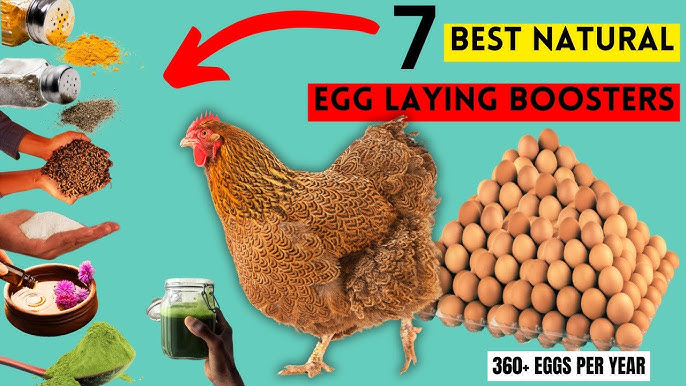
1. Key nutrients that affect chicken egg production
1.1 Protein: Promote protein synthesis and increase egg production
The main components of eggs are protein and minerals in eggshells. Therefore, laying hens need enough high-quality protein to maintain a high egg production rate.
Recommended protein sources:
Animal protein: fish meal, meat and bone meal, silkworm pupa meal (but the proportion of fish meal should be controlled to prevent egg smell).
Plant protein: soybean meal, peanut meal, cottonseed meal.
Insect protein such as mealworms: can be used as a natural high-protein supplement.
Protein content requirements:
Laying hens in the rearing period (from brooding to rearing stage): protein content 15-17%.
Laying hens in the laying period (high production period): protein content 17-19%.
1.2 Calcium and phosphorus: enhance eggshell quality and reduce soft-shell eggs
Eggshells are mainly composed of calcium carbonate. Calcium deficiency can cause eggshells to become thinner or produce soft-shell eggs. In severe cases, it can also lead to osteoporosis in laying hens.
Recommended calcium supplements:
Shell powder, stone powder, bone powder (high in calcium content).
Eggshell powder (can be recycled, dried and crushed for feeding).
Fish meal, meat and bone meal (rich in phosphorus, helps calcium absorption).
Calcium-phosphorus ratio requirements:
The calcium content in laying hen feed should be 3.5-4.5%, and the phosphorus content should be 0.4-0.6% to maintain bone health and eggshell quality.
1.3 Vitamins: Improve immunity and prolong the peak egg-laying period
Vitamin A: Promotes reproductive system health and improves egg-laying capacity. (Carrots, pumpkins, dark green leafy vegetables)
Vitamin D: Promotes calcium absorption and prevents soft-shell eggs. (Cod liver oil, ultraviolet radiation)
Vitamin E: Improves chicken immunity and enhances fertility. (wheat germ, sunflower seeds)
1.4 Energy feed: provide energy for egg production
Laying hens need sufficient energy to maintain daily activities and lay eggs.
Recommended energy feed:
Corn, rice, wheat (rich in carbohydrates).
Rice bran, wheat bran (supplement fiber, but not excessive).
Animal fats or vegetable oils (appropriate amount to increase energy density).
1.5 Trace elements: ensure egg quality and chicken health
Iron, zinc, selenium: improve chicken immunity and promote egg yolk color and quality.
Sodium and chlorine (salt): promote water balance and increase feed intake. (Be careful not to overdose to avoid poisoning).
2. Recommended feed formula to promote more egg laying
2.1 Self-mixed feed formula (for high-yielding laying hens)
The following is a common self-mixed feed formula for laying hens (calculated based on 100 kg):
| Feed ingredients | Ratio (kg) | Main function |
|---|---|---|
| Corn | 55 | Provide energy |
| Soybean meal | 20 | Provide protein |
| Wheat bran | 10 | Promote digestion |
| Fish meal | 3 | Animal protein, improve egg production rate |
| Shell powder (stone powder) | 5 | Provide calcium, strengthen eggshell |
| Premix (vitamins + trace elements) | 5 | Provide essential nutrients |
| Salt | 0.3 | Maintain electrolyte balance |