Skip to content
Animals Top
Home>Animals>Mammal>Primates
Animal Profile IUCN: LC

Arctocebus calabarensi

Arctocebus calabarensis,a kind of lemur

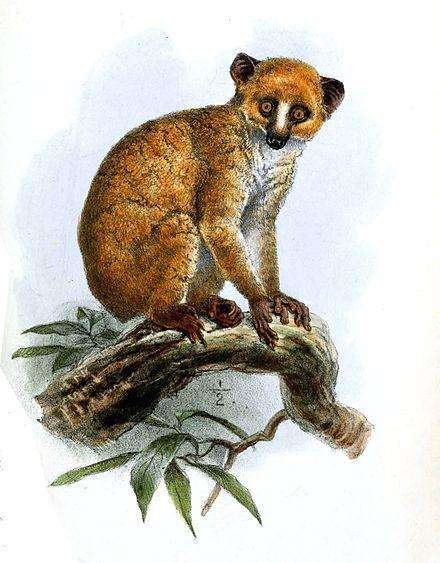
The scientific name of the golden bear monkey is Arctocebus calabarensis, and its foreign name is a kind of lemur. It is a member of the primate family Sloris.The golden bear monkey lives alone, is active during the day, and lives in trees. It mainly feeds on insects and occasionally eats fruits. Th

Primates 595 views
Scientific Name Arctocebus calabarensis,a kind of lemur
Length 22-30cm
Weight 250-500g
Lifespan About 13 years
IUCN Status LC
Advertisement

Table of Contents

    The scientific name of the golden bear monkey is Arctocebus calabarensis, and its foreign name is a kind of lemur. It is a member of the primate family Sloris.
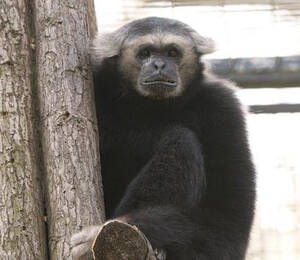
    97a1faf9f2644dc000d644dc7c6e812e.jpeg

    The golden bear monkey lives alone, is active during the day, and lives in trees. It mainly feeds on insects and occasionally eats fruits. The gestation period is 130 days, and one cub is born per litter. The cubs are mainly held in the mother's abdomen at the beginning of their birth, the weaning period is three to four months, they leave their mother after six months, and fully mature in eight to ten months. The average life span is about 13 years.


    Protect wild animals and eliminate game.

    Maintaining ecological balance is everyone's responsibility!


    Tags

    At a glance

    Profile Details

    Key characteristics, appearance, and habitat information.

    Traits & Behavior

    Almost no tail

    Appearance

    The body length is between 22-30 cm, and it almost has no tail. It weighs only 500 grams at most. Its hair is yellow-brown or golden. It is closely related to the koala and the false bear.

    Distribution & Habitat

    The golden bear monkey is native to the jungles of West Africa and generally lives in low-lying shrubs and forest lowlands, hiding in the leaves most of the time.
    Advertisement

    Visual guide

    Browse available images of this species.

    Quick answers

    Arctocebus calabarensi FAQs