Skip to content
Animals Top
Home>Animals>Mammal>Primates
Animal Profile IUCN: LC

Saguinus pileatus

Saguinus pileatus,Red-cap Moustached Tamarin

Red-cap Moustached Tamarin, scientific name Saguinus pileatus, foreign name Red-cap Moustached Tamarin, eats fruits, nuts and other plant foods, also eats insects, spiders, frogs, small lizards and bird eggs. It has sharp vision, followed by hearing and smell. It is active during the day and lives i

Primates 532 views
Scientific Name Saguinus pileatus,Red-cap Moustached Tamarin
Length No verification information
Weight No verification information
Lifespan No verification information
IUCN Status LC
Advertisement

Table of Contents

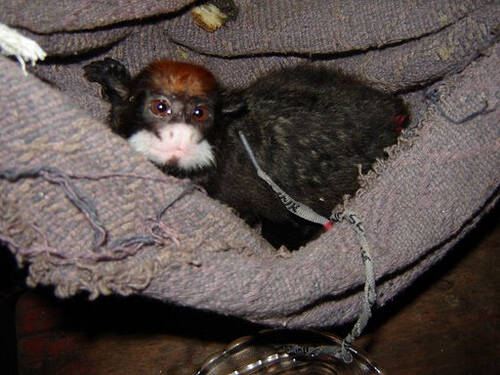
    Red-cap Moustached Tamarin, scientific name Saguinus pileatus, foreign name Red-cap Moustached Tamarin, eats fruits, nuts and other plant foods, also eats insects, spiders, frogs, small lizards and bird eggs. It has sharp vision, followed by hearing and smell. It is active during the day and lives in family groups of 3 to 12. Both parents feed their young together. It is distributed in the Amazon rainforest of Brazil.
    72982846fd6faa98741bc8054e1c1a73_九雷图片转化为.jpg

    Listed in the IUCN Red List of Primates, ver.: 2008 - Low Concern (LC).


    Protect wild animals and stop eating game.

    Maintaining ecological balance is everyone's responsibility!


    At a glance

    Profile Details

    Key characteristics, appearance, and habitat information.

    Traits & Behavior

    Red patches on the head

    Appearance

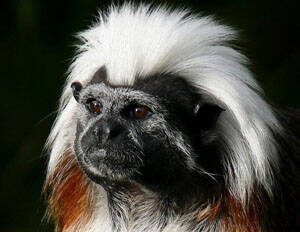
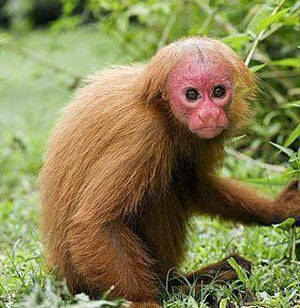
    There are red spots on the head. The colors are mainly black, white and brown. The tail is long. Only the big toe has a flat nail, and the other fingers and toes are claw-like sharp claws. There is a pair of nipples on the chest. The hind limbs are longer than the front limbs. There are 32 teeth.

    Distribution & Habitat

    Distributed in Brazil (Amazon), it lives in the upper canopy of tropical rainforests or tropical forest grasslands and rarely moves on the ground.
    Advertisement

    Visual guide

    Browse available images of this species.

    Quick answers

    Saguinus pileatus FAQs