Skip to content
Animals Top
Home>Animals>Mammal>Primates
Animal Profile IUCN: LC

Callicebus lucifer

Callicebus lucifer

The scientific name of the white-collared monkey is Callicebus lucifer. It moves in small groups with a common area and is diurnal. It uses its tail to maintain balance and is said to be good at jumping. It feeds on fruits, bird eggs, insects, and occasionally small birds. There is no seasonal repro

Primates
Scientific Name
Callicebus lucifer
Length
25-60cm
Weight
No verification information
Lifespan
No verification information
IUCN Status
LC
Advertisement

Table of Contents

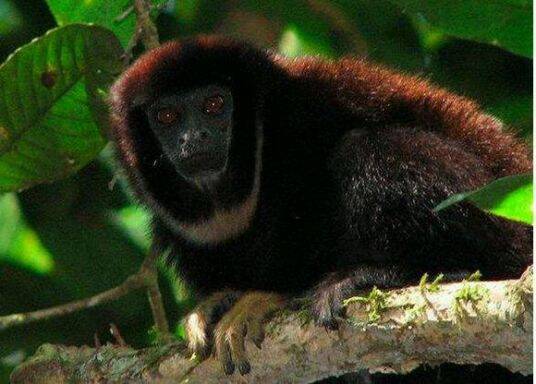
    The scientific name of the white-collared monkey is Callicebus lucifer. It moves in small groups with a common area and is diurnal. It uses its tail to maintain balance and is said to be good at jumping. It feeds on fruits, bird eggs, insects, and occasionally small birds. There is no seasonal reproduction. The young monkeys are attached to the male monkey except when they are breastfeeding.
    3c6d55fbb2fb4316238294d02ea4462308f7d3ff_九雷图片转化为.jpg

    Listed in the "World Conservation Union" (IUCN) ver.: 2008 Red List of Primates - Low Concern (LC).


    Protect wild animals and stop eating game.

    Maintaining ecological balance is everyone's responsibility!
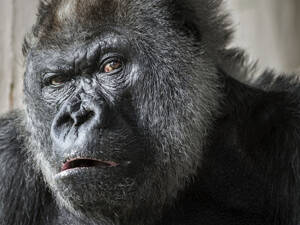


    At a glance

    Profile Details

    Key characteristics, appearance, and habitat information.

    Traits & Behavior

    Appearance

    The fur is long, soft and smooth, with a small and round head and a relatively flat and large face. The body is about 25 to 60 cm (10 to 24 inches) long; the tail is 25 to 55 cm long, with fluffy fur. The fur color varies depending on the species, dark brown, gray, reddish or black; the fur on the lower body, face, limbs and tail is different in color or has stripes.

    Distribution & Habitat

    Distributed in Brazil, Colombia, Ecuador, Peru

    Quick answers

    Callicebus lucifer FAQs

    Follow your curiosity

    Keep Exploring Animals

    Read more about animal biology, compare similar-looking species, or browse the animal encyclopedia.