Skip to content
Animals Top
Home>Animals>Mammal>Primates
Animal Profile IUCN: LC

Cercocebus torquatus

Cercocebus torquatus,White-collared Mangabey、Collared Mangabey、Red-capped Mangabey、Sooty Mangabey

The scientific name of the white-necked mangabey is Cercocebus torquatus, and its foreign names are White-collared Mangabey, Collared Mangabey, Red-capped Mangabey, and Sooty Mangabey. They usually appear in groups with irregular numbers. They usually come out during the day and are most active in t

Primates 637 views
Scientific Name Cercocebus torquatus,White-collared Mangabey、Collared Mangabey、Red-capped Mangabey、Sooty Mangabey
Length No verification information
Weight No verification information
Lifespan About 20 years
IUCN Status LC
Advertisement

Table of Contents

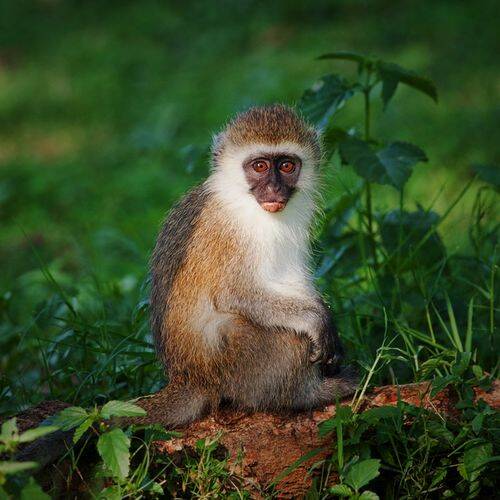
    The scientific name of the white-necked mangabey is Cercocebus torquatus, and its foreign names are White-collared Mangabey, Collared Mangabey, Red-capped Mangabey, and Sooty Mangabey. They usually appear in groups with irregular numbers. They usually come out during the day and are most active in the early morning and dusk. They are omnivorous animals, mainly eating leaves, buds, fruits and nuts of plants, and sometimes small animals. The lifespan of the white-necked mangabey is generally about 20 years. If the environment is good and the food is abundant, the lifespan will be longer.
    3ec6f1c28aa6dc0a05c92792c47aef95_九雷图片转化为.jpeg

    Listed in the IUCN Red List of Primates in 2008 - Vulnerable (VU).


    Protect wild animals and stop eating game.

    Maintaining ecological balance is everyone's responsibility!


    At a glance

    Profile Details

    Key characteristics, appearance, and habitat information.

    Traits & Behavior

    Appearance

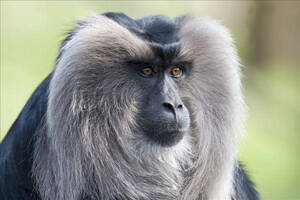
    The main body color of the hair is gray, the color of the hair on the top of the head is brown, the hair on the neck is white, and the tail is very long;

    Distribution & Habitat

    Distributed in Cameroon, Equatorial Guinea, Gabon, Nigeria.
    Advertisement

    Visual guide

    Browse available images of this species.

    Quick answers

    Cercocebus torquatus FAQs