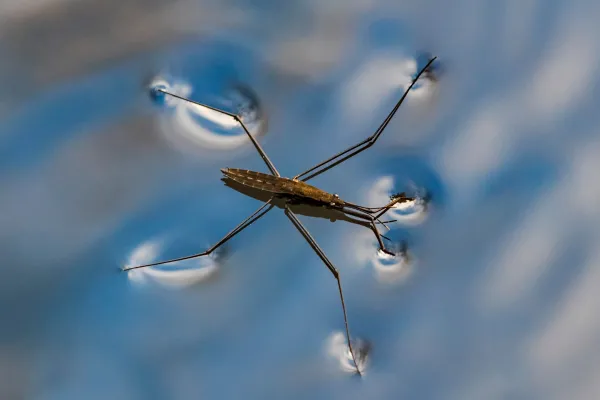
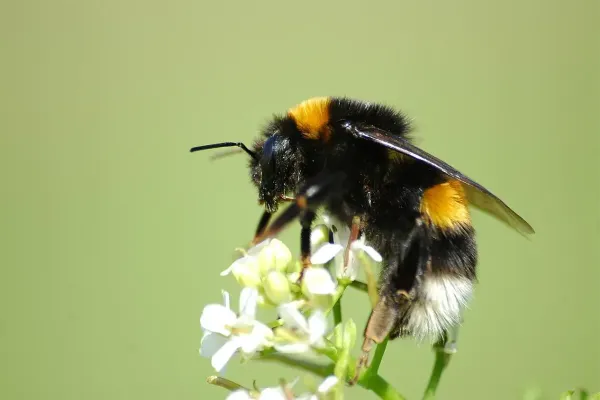
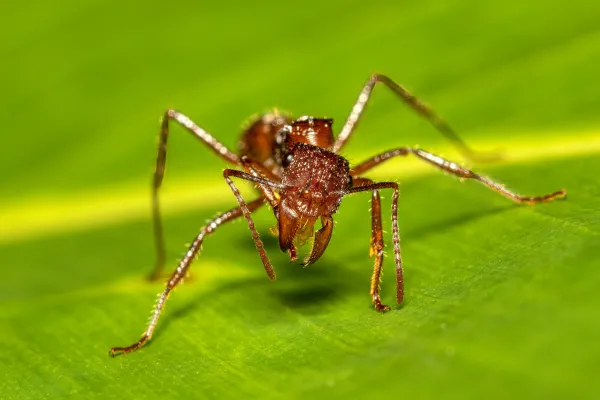
The Insecta class not only has a wide variety of species, but also has extremely diverse morphological structures. Therefore, there are many classification systems. Different taxonomists have different opinions, and they are not yet completely unified. The system of 2 subclasses and 33 purposes commonly used in the world and China is introduced as follows. The summary of the characteristics behind each order is mainly compiled and modified based on the popular science poems published by Professor Yang Jikun.
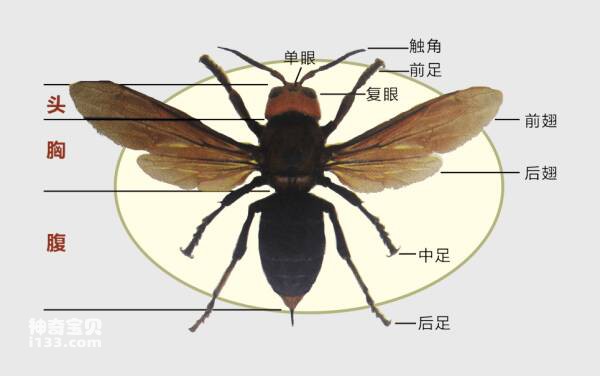
 Apterygota
Pterygoid< span style="color:#000080"> Pterygota
|
 Ephemeroptera (Ephemeroptera) Ephemeroptera (Ephemeroptera)
|
Thysanoptera (thrips)
|
|
Odonata (dragonfly, damselfly)
|
Homoptera (cicada, etc.)
|
|
Plecoptera (stonefly)
|
Hemiptera (stink bug, stink bug)
|
|
Blattodea (cockroaches, cockroaches)
|
Euryptera Megaloptera (mudflies, etc.)
|
|
Mantodea (mantis)
|
Raphidioptera (snake fly)
|
|
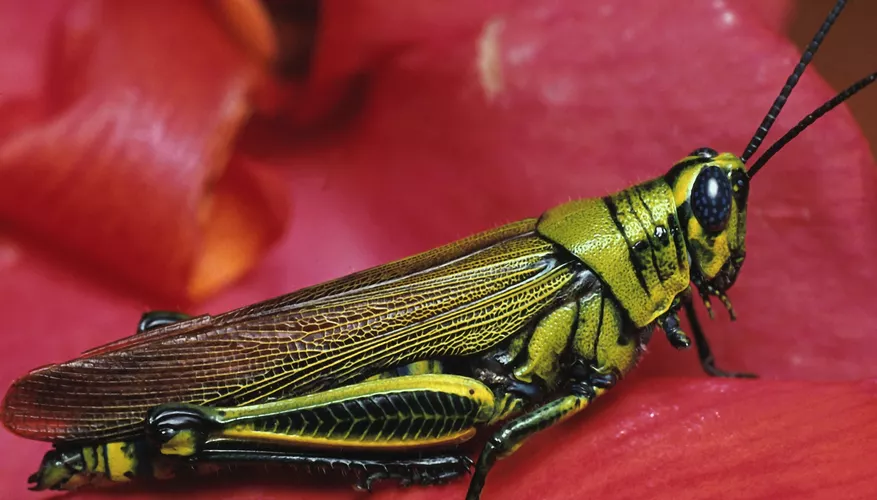
Orthoptera (locusts, etc.)
|
Neuroptera (lacewings, etc.)
|
|
Phasmatodea (stick insects, etc.)
|
Coleoptera (beetle)
|
|
Gryllobattodea (Grilloides)
|
Strepsiptera
|
|
Isoptera (termites )
|
Mecoptera (scorpion fly)
|
|
Embioptera (Threaded ants)
|
Trichoptera (caddisfly)
|
|
Zoraptera (Zoraptera)
|
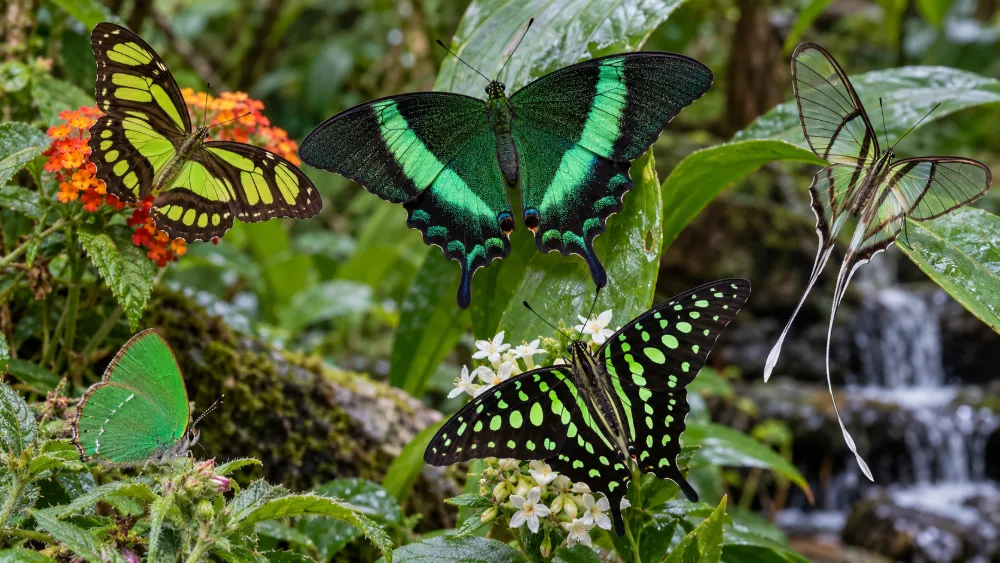
Lepidoptera (butterfly, moth)
|
|
Dermaptera (earwig)
|
Diptera (flies, mosquitoes, etc.)
|
|
Psocoptera (booklice)
|
Siphonaptera (fleas)
|
|
Mallophaga (bird lice, etc.)
|
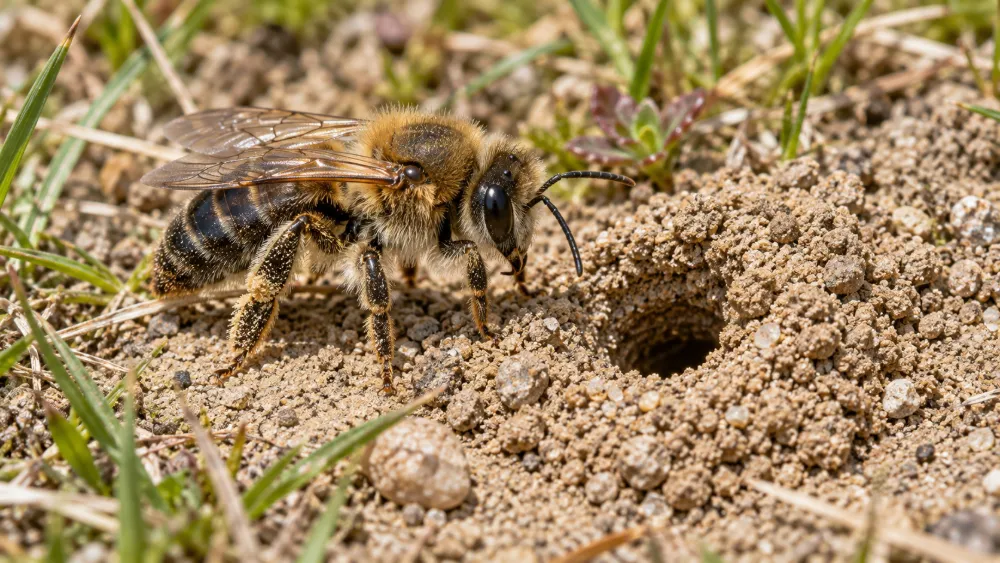
Hymenoptera (bees, ants)
|
|
Anoplura (lice)
|
|
Animals Top aims to present clear, accessible animal information. Facts may be updated as scientific knowledge and conservation assessments change.
Enjoy Animals Top?
Add Animals Top as a Preferred Source on Google to see more of our animal, wildlife and pet content in Search.