Skip to content
Animals Top
Home>article>News
News

Record the tender and intimate moments of animal mother and child

Record the tender and intimate moments of animal mother and child
Quick Answer

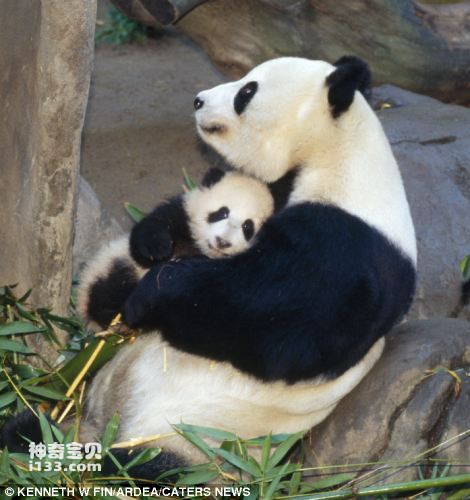
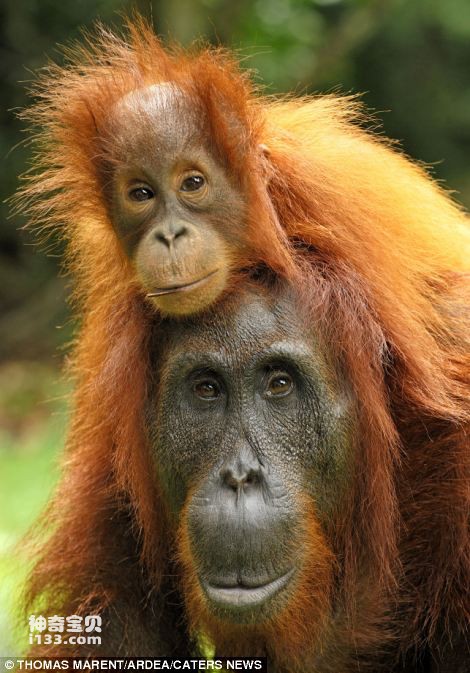
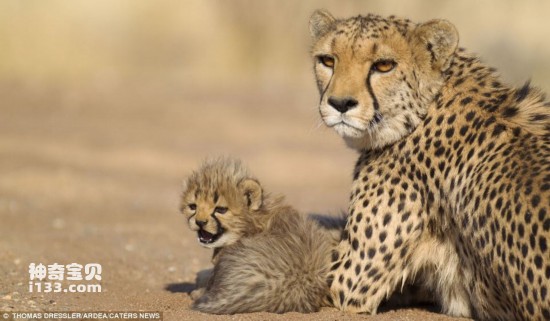
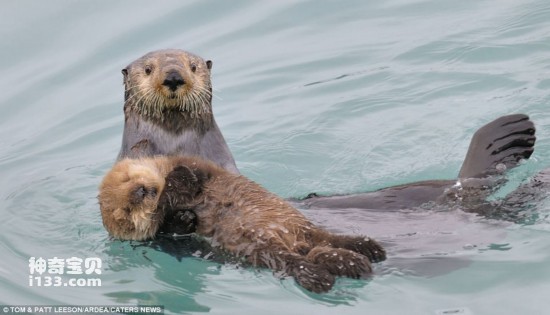
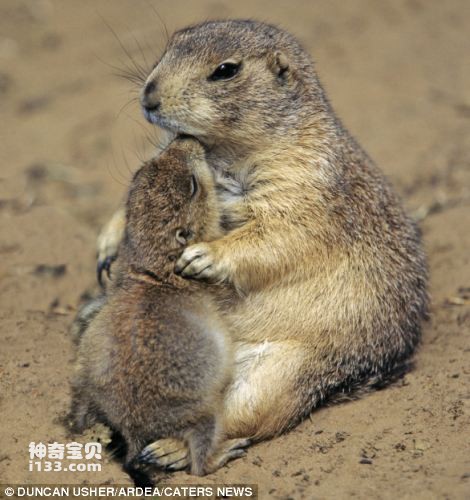
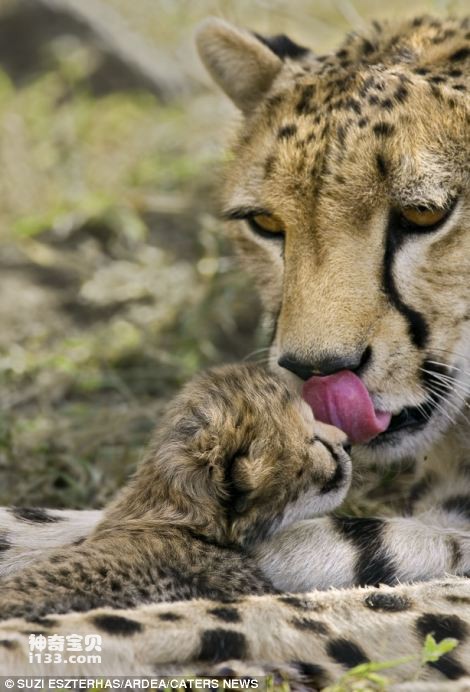
These touching photos were taken by photographers from all over the world and depict everything from photos of a baby orangutan riding on its mother in Borneo to scenes of polar bears playing with their cubs in cold Canada. As you can see from these pictures, in fact, no matter what kind of a

Table of Contents

    Advertisement

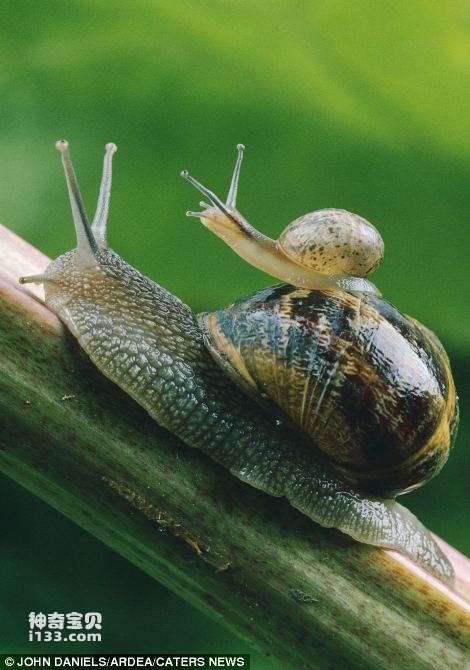
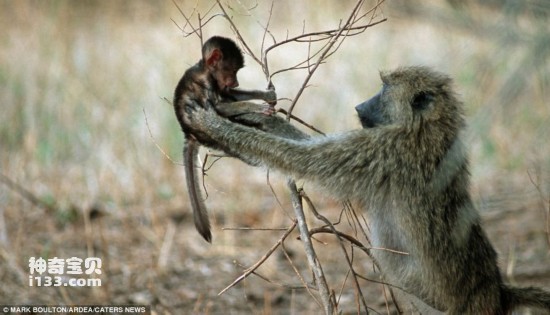
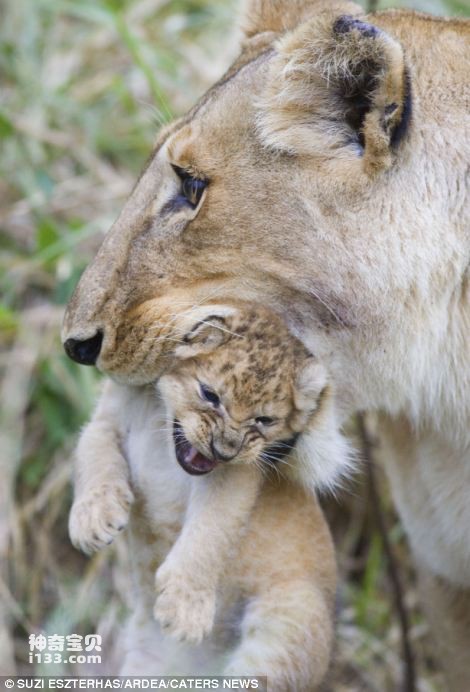
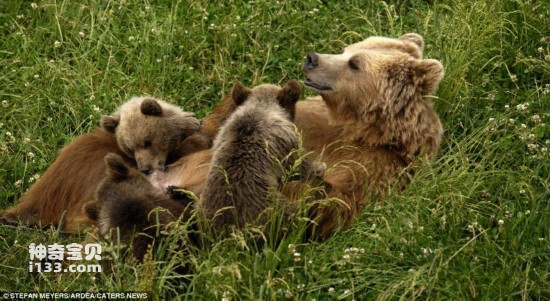
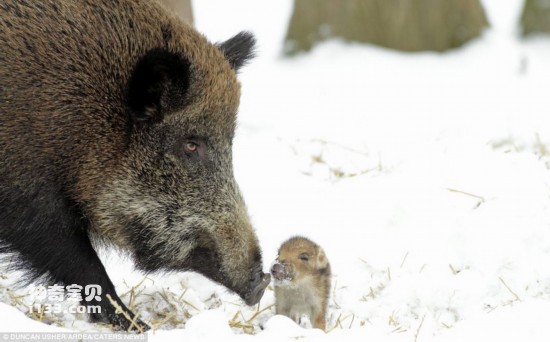
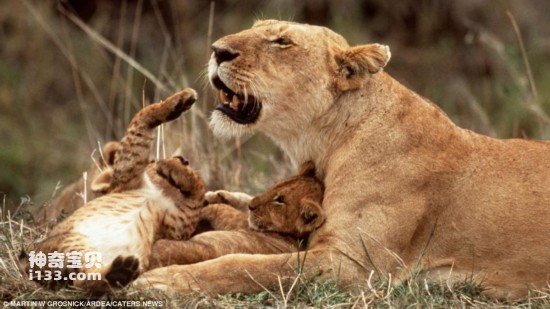
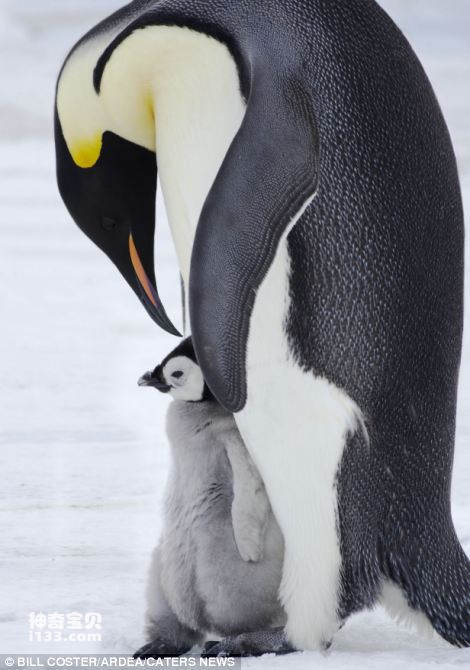
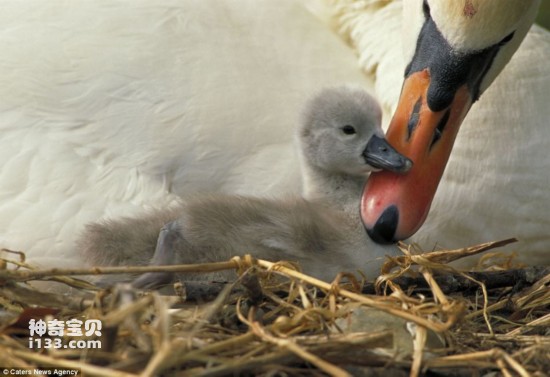
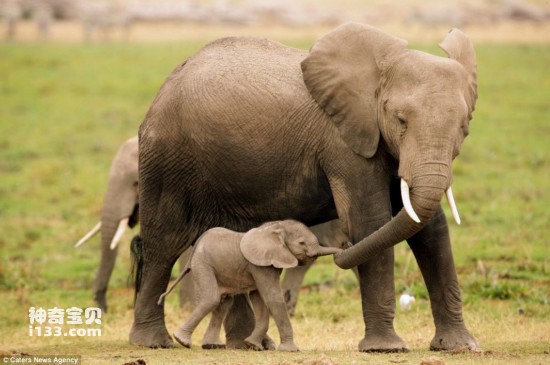
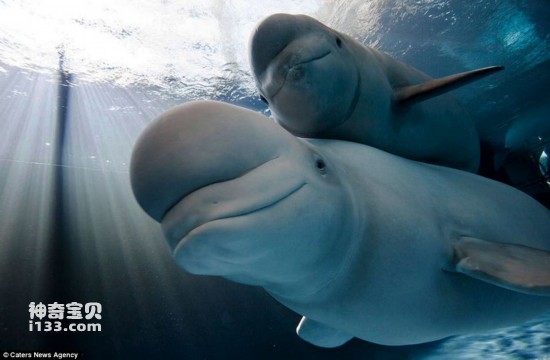
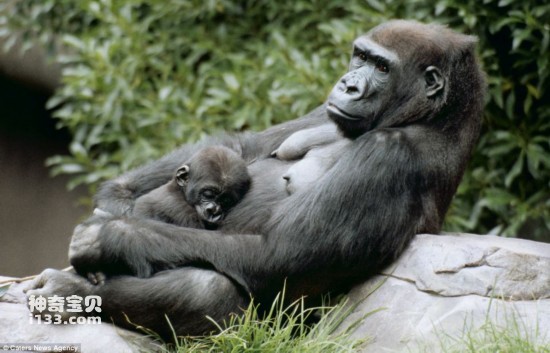
    These touching photos were taken by photographers from all over the world and depict everything from photos of a baby orangutan riding on its mother in Borneo to scenes of polar bears playing with their cubs in cold Canada. As you can see from these pictures, in fact, no matter what kind of animal it is, maternal love is always unconditional.
    Click to view the next page

    In these cute pictures, we can see many kinds of animal mothers patiently interacting with their naughty children and sharing tender moments of intimacy. The animals in the picture include an elephant mother and her son, a panda mother and her son, a swan mother and her son, an orangutan mother and her son, a snail mother and her son, etc. From the care these animals show for their young, we can see that not only humans have great maternal love, but also small animals are doted on by their mothers.
    Click to view the next page Click to view the next page

    Click to view the next page

    Click to view the next page

    Click to view the next page

    Click to view the next page

    Click to view the next page

    Click to view the next page

    Click to view the next page

    Click to view the next page

    Click to view the next page

    Click to view the next page

    Click to view the next page

    Click to view the next page

    Click to view the next page

    Click to view the next page

    Tags
    Animals Top aims to present clear, accessible animal information. Facts may be updated as scientific knowledge and conservation assessments change.