Skip to content
Animals Top
Home>Animals>Fish>Small fish
Animal Profile IUCN: LC

Percocyprispingi

Percocyprispingi,Big flower fish, leopard flower fish

Jinsha perch carp, Latin name Percocyprispingi, is a precious, rare and unique indigenous fish in Yunnan.Jinsha perch carp juveniles mostly live along the coast of tributaries or main streams, while adult fish swim in the middle and upper layers of open water areas. It is a fast-moving, ferocious fi

Small fish 650 views
Scientific Name Percocyprispingi,Big flower fish, leopard flower fish
Length About 44 cm
Weight 1-5kg, up to 15kg
Lifespan No verification information
IUCN Status LC
Advertisement

Table of Contents

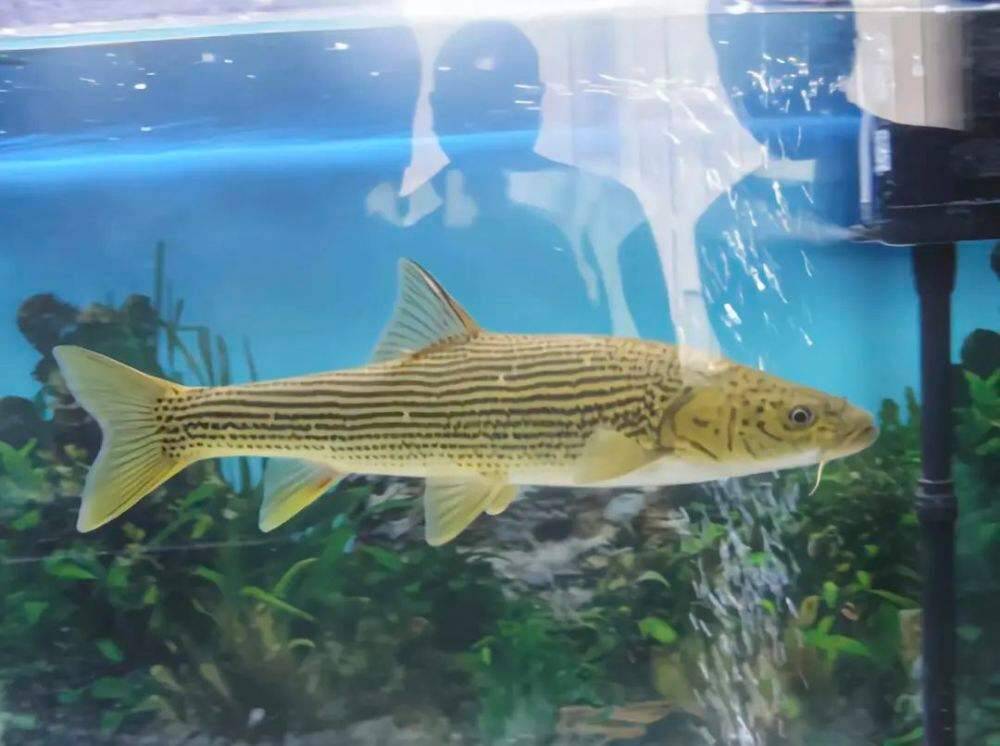
    Jinsha perch carp, Latin name Percocyprispingi, is a precious, rare and unique indigenous fish in Yunnan.
    09ddace4769bd57aed5de49a17992c1b_九雷图片转化为.jpeg

    Jinsha perch carp juveniles mostly live along the coast of tributaries or main streams, while adult fish swim in the middle and upper layers of open water areas. It is a fast-moving, ferocious fish that specializes in preying on small fish. The 3-year-old fish reaches sexual maturity in winter, and the reproductive period is about June. The spawning site is in the rapid water upstream. The spawning time is from February to April every year.

    Listed in the second level of China's "National Key Protected Wildlife List".


    Protect wild animals and eliminate game.

    Maintaining ecological balance is everyone's responsibility!


    At a glance

    Profile Details

    Key characteristics, appearance, and habitat information.

    Traits & Behavior

    A ferocious carnivorous fish, known as the "tiger" of the Jinsha River

    Appearance

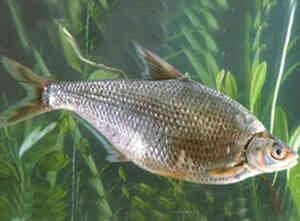
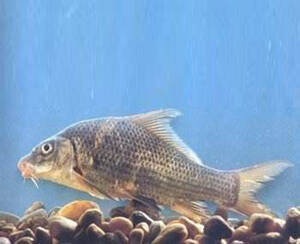
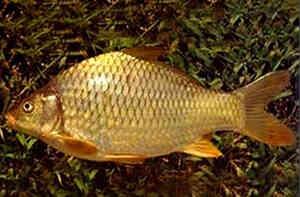
    The body is slightly flattened laterally, the head is relatively large, the front end is relatively pointed, the back of the head is flat and wide, and the back of the head is raised. The mouth is subsuperior, obliquely cleft, and the lower jaw is prominent. There are two pairs of whiskers, and the snout whiskers are slightly shorter than the jaw whiskers. The gill slits are large, and the gill membranes on both sides are very close to each other at the gill septum. The dorsal fin spines are weak, and the rear edge has fine teeth. The scales are small, and the chest and abdomen scales are even smaller, shallowly buried under the skin, and the lateral line is slightly curved downward. The back of the body is blue-gray, and the sides and abdomen are white; most of the scales on the sides of the body have a black edge, so they are connected to form neat straight stripes on the sides of the body, and there are scattered small black spots on the head and back; the dorsal fin, pectoral fin,

    Distribution & Habitat

    Living in the Jinsha River Basin, a tributary of the upper reaches of the Yangtze River in China
    Advertisement

    Visual guide

    Browse available images of this species.

    Quick answers

    Percocyprispingi FAQs