Marine fishs
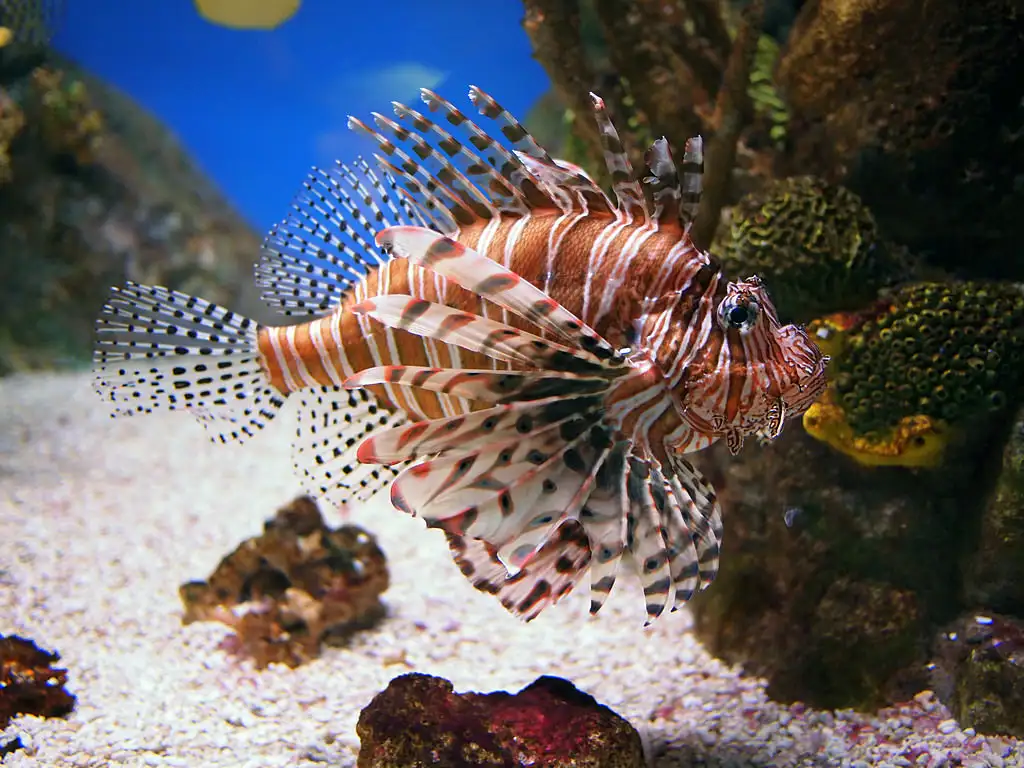
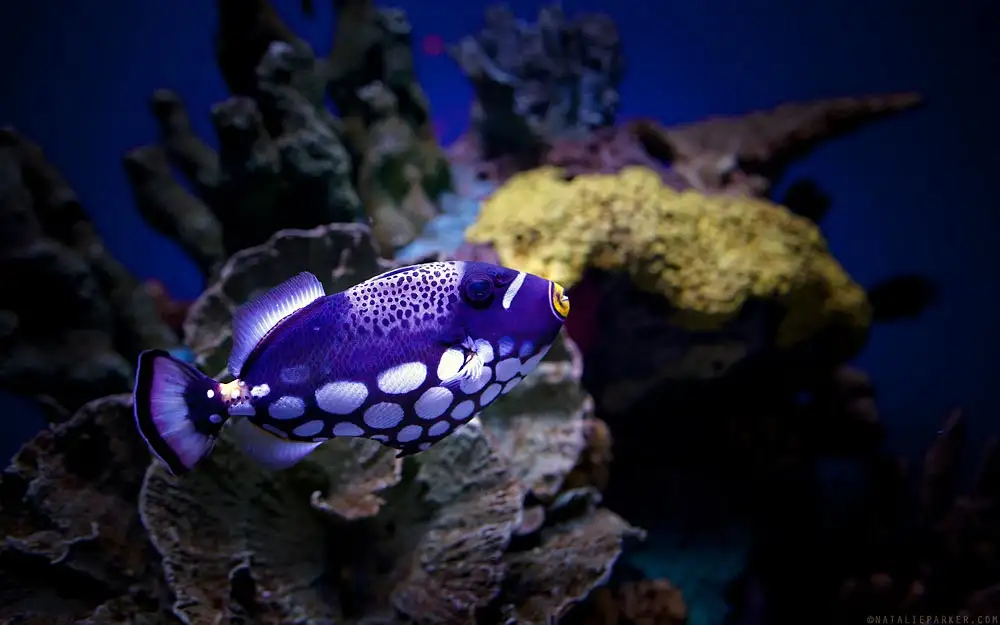
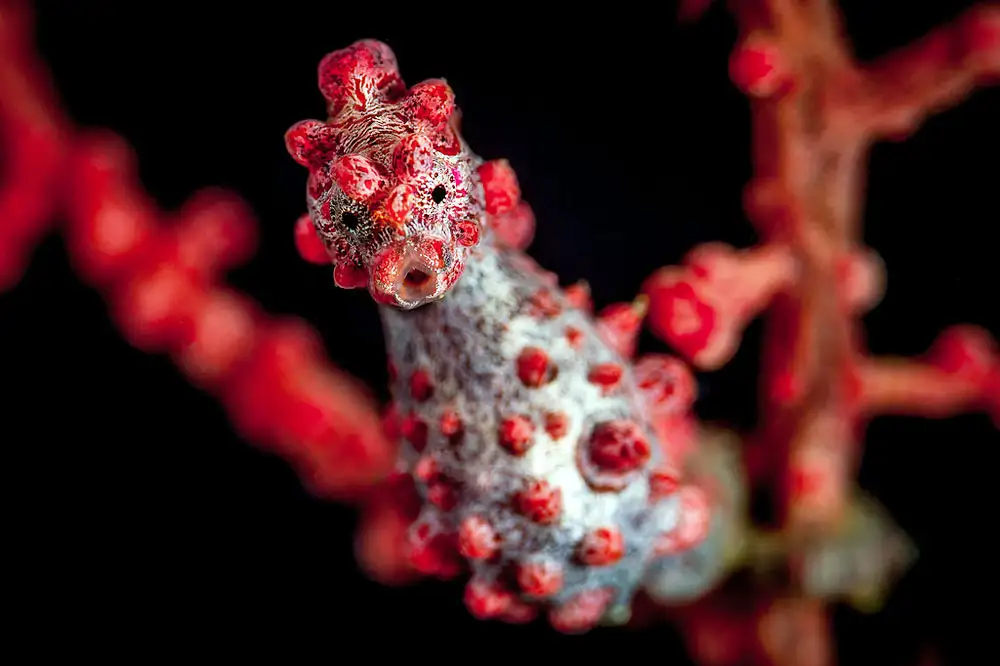
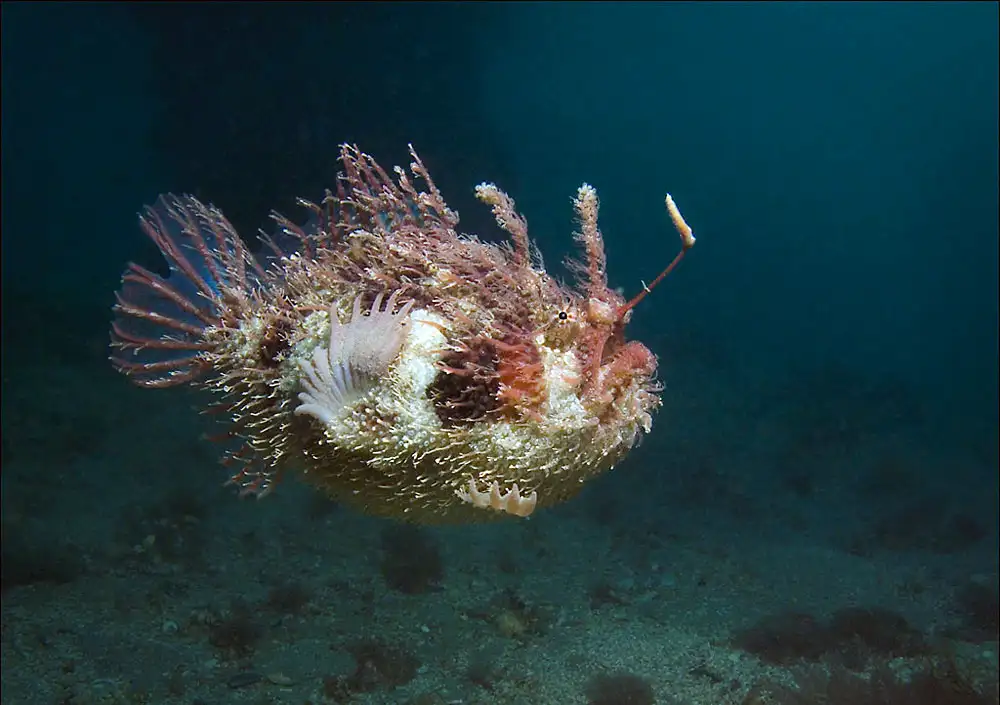
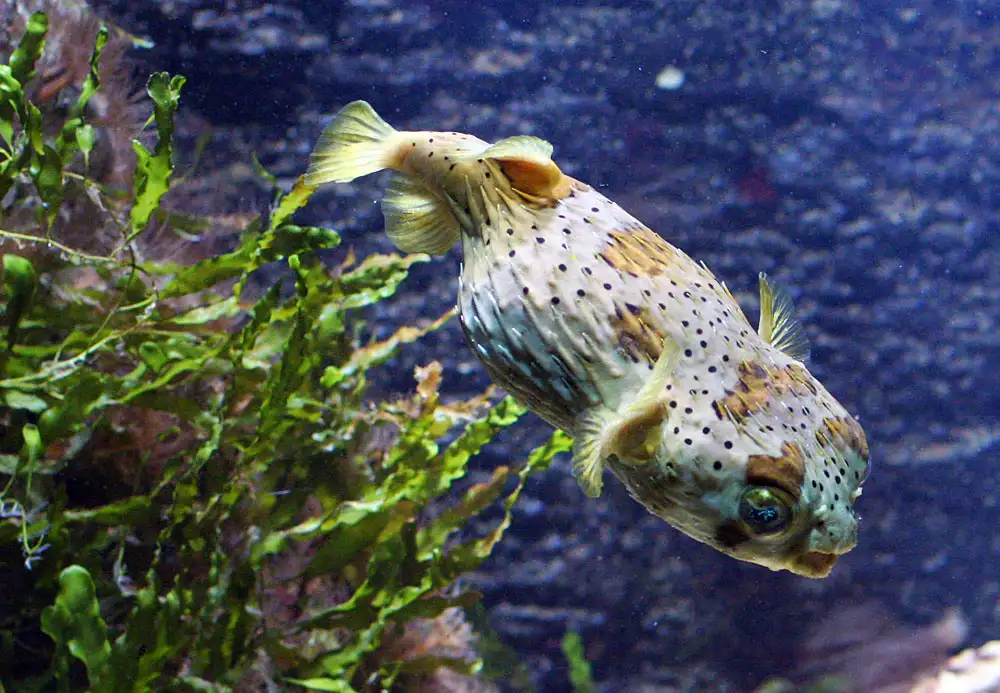
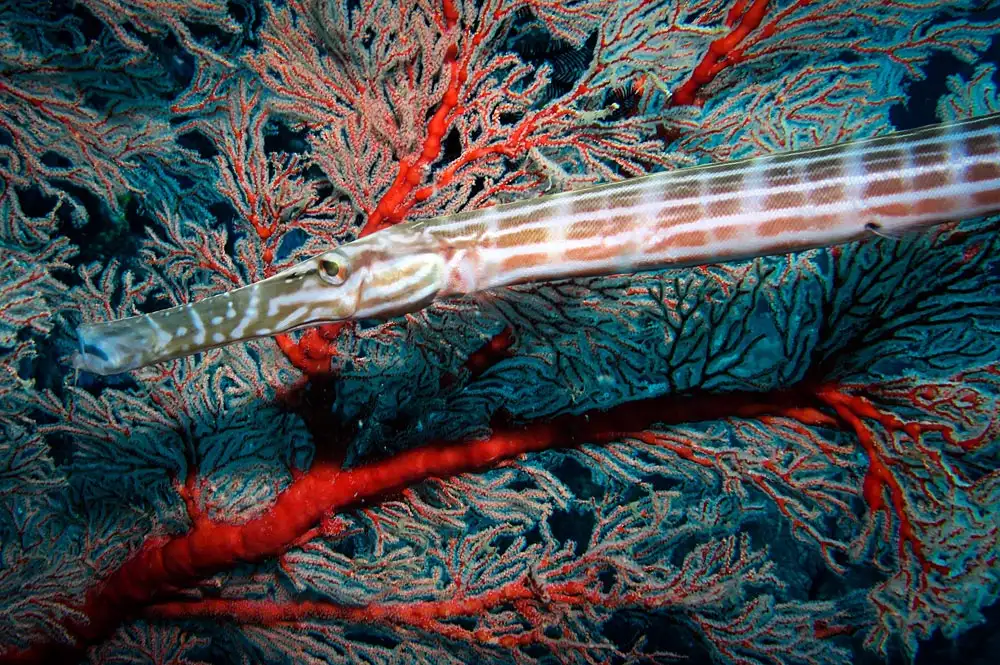
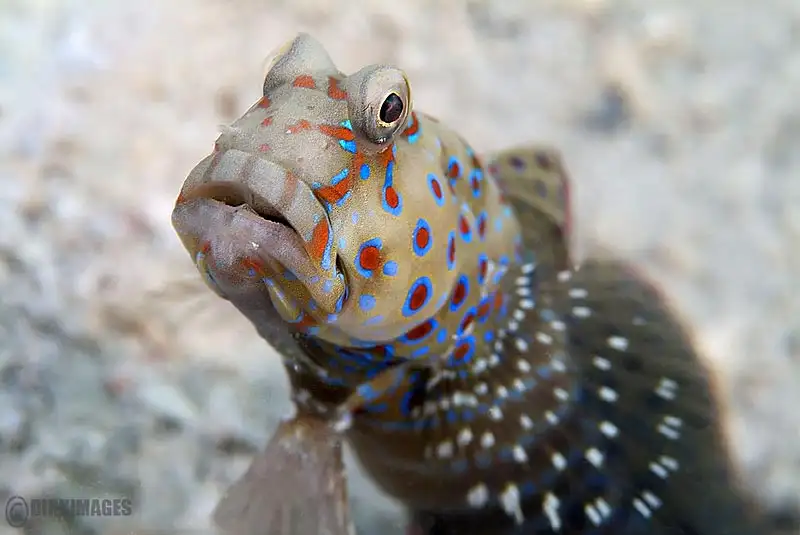
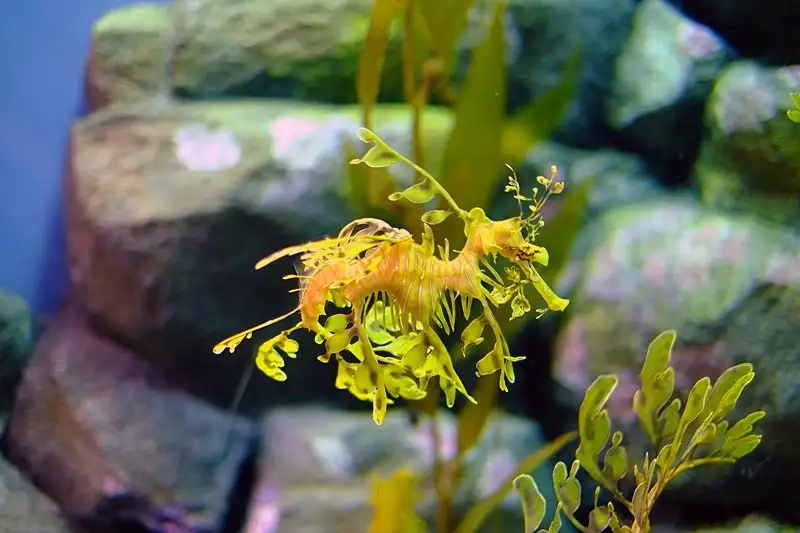
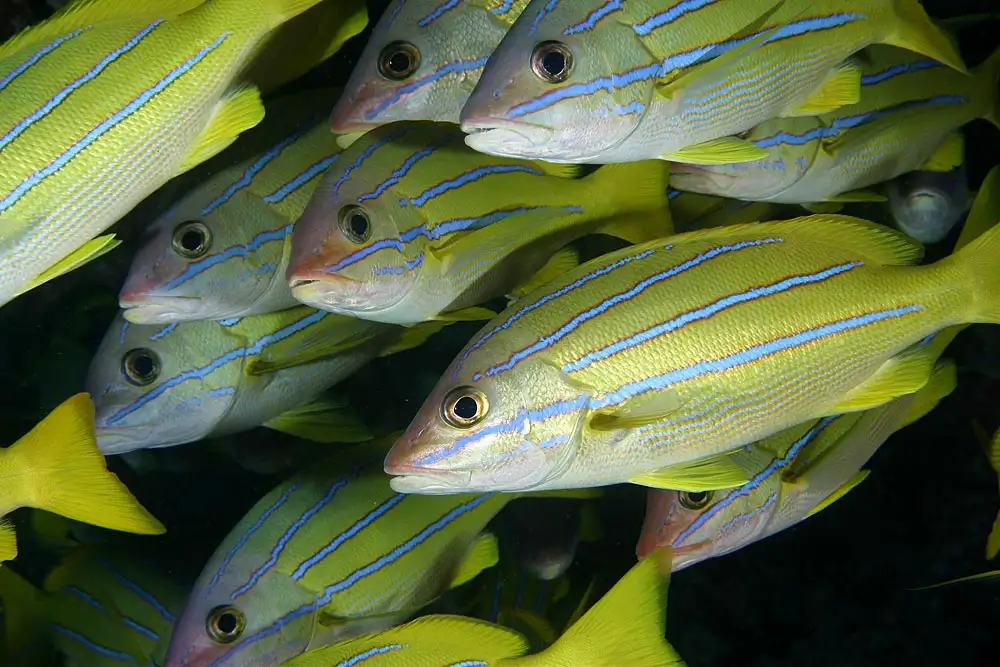
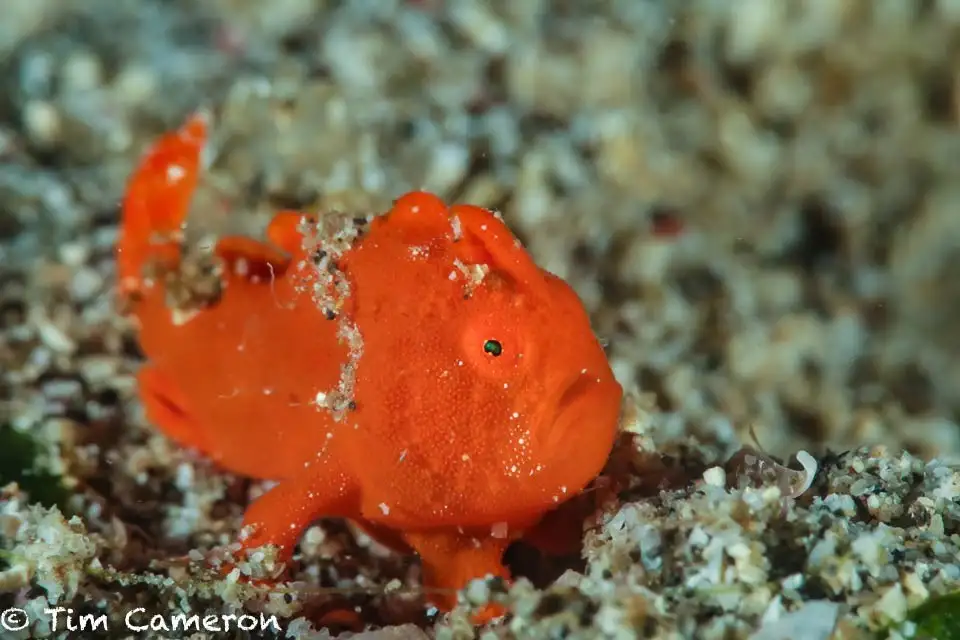
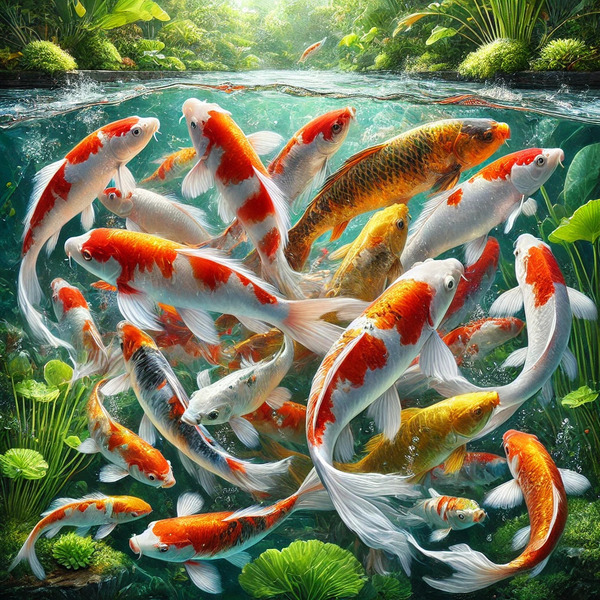
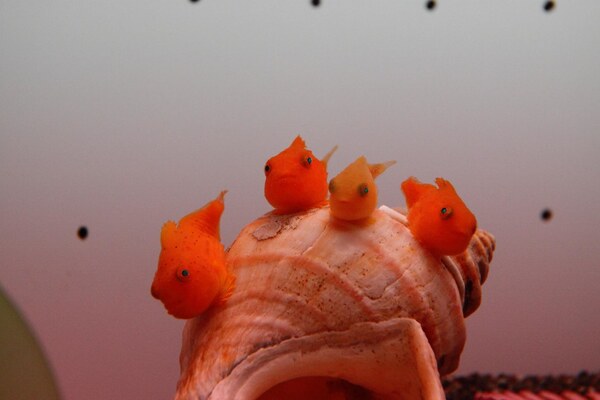
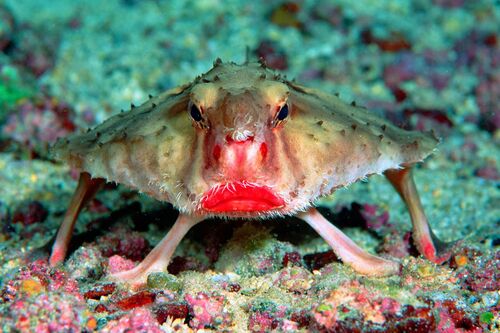
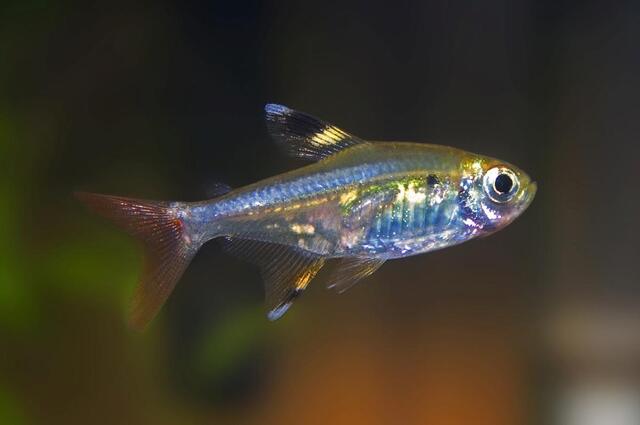
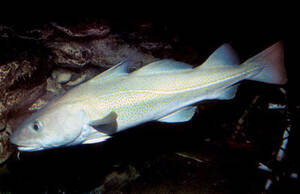
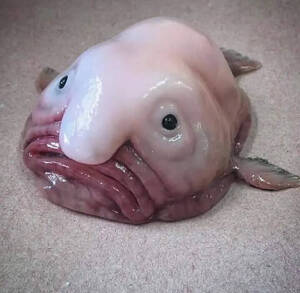
Marine fishs refers to fish that live in the ocean. They are particularly colorful and have strange shapes. They are the future development direction of the ornamental fish industry. Artificial breeding requires certain methods and skills. There are more than 2,000 species of marine fish in my country, including large yellow croaker, giant grouper, salmon, etc. Fish meat is rich in animal protein and phosphorus, rich in nutrition, delicious, easy to digest and absorb by the human body, and plays a significant role in the development of human physical and intellectual strength.
I. Introduction to Marine Fishes
1. Definition and Key Traits
Habitat: Marine fishes (i.e., those living in saltwater habitats) occupy diverse marine ecosystems from coastal intertidal zones and coral reefs to pelagic and deep-sea environments.
Osmoregulation: Because seawater is high in salinity, marine fishes maintain internal ionic balance by regulating water and salt through their gills, kidneys, and skin.
Morphological Diversity: They vary enormously in form, size, and coloration, from giant sharks to vividly colored reef fish, or flatfish adapted to life on the seabed.
2. Main Groups
Cartilaginous Fishes (Class Chondrichthyes): Includes sharks, rays, skates, and sawfishes, characterized by skeletons made primarily of cartilage and a covering of dermal denticles (placoid scales).
Bony Fishes (Class Osteichthyes): Specifically the subclass Actinopterygii (ray-finned fishes), which make up the majority of marine fish species, such as cod, tunas, groupers, wrasses, flatfishes, etc.
3. Ecological Value and Human Use
Marine fishes occupy various trophic levels: from bottom-feeders and herbivorous grazers to apex predators, each playing a vital role in marine food webs.
Humans exploit marine fishes for food (fisheries, fish oil, and fishmeal) as well as for aquariums and ornamental trade. Overfishing, pollution, and climate change, however, threaten many populations, prompting calls for conservation and sustainable management.
II. History and Evolution of Marine Fishes
Origins and Early Evolution
The earliest jawed vertebrates date back to the Silurian–Devonian periods (about 440–400 million years ago), gradually diverging into the cartilaginous and bony fish lineages.
Cartilaginous fishes emerged in the Devonian (e.g., early sharks), evolving along the “shark–ray” lineage that persists today.
Bony fishes diversified significantly in the Carboniferous and Permian, with ray-finned fishes (Actinopterygii) becoming the most numerous and widespread group of extant fishes.
Marine Expansion and Multiple Radiations
Shifting sea levels, climates, and ocean currents across geological epochs opened new habitats for marine fish expansions.
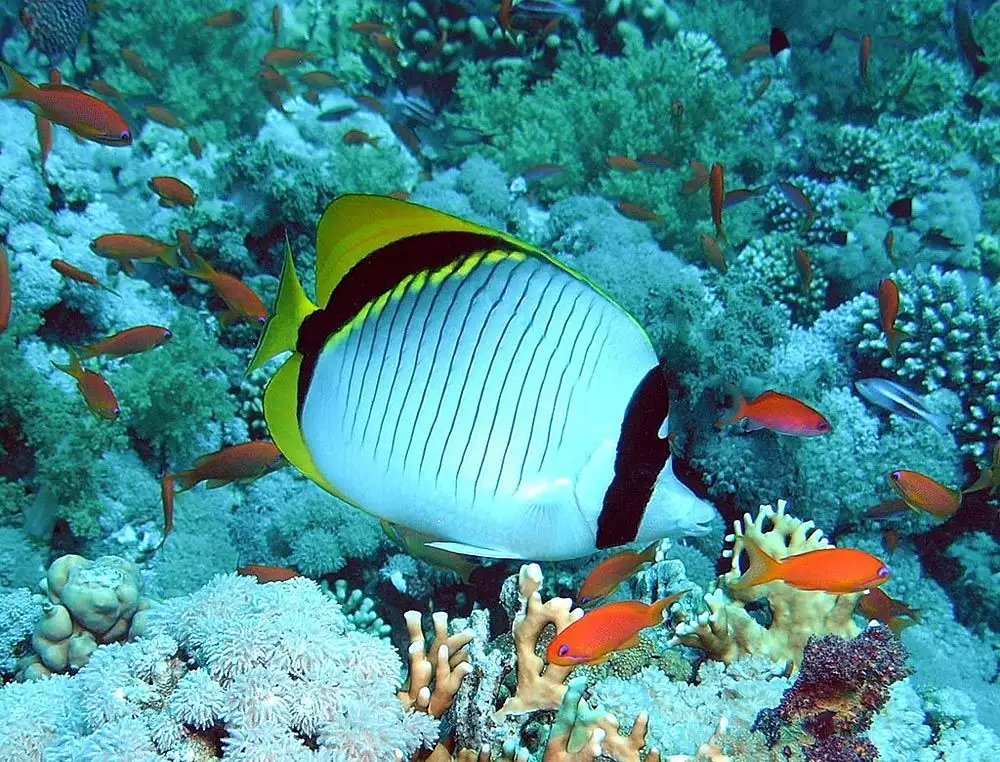
The development of coral reefs spurred adaptive radiation among “reef fish,” promoting diverse forms and colorations.
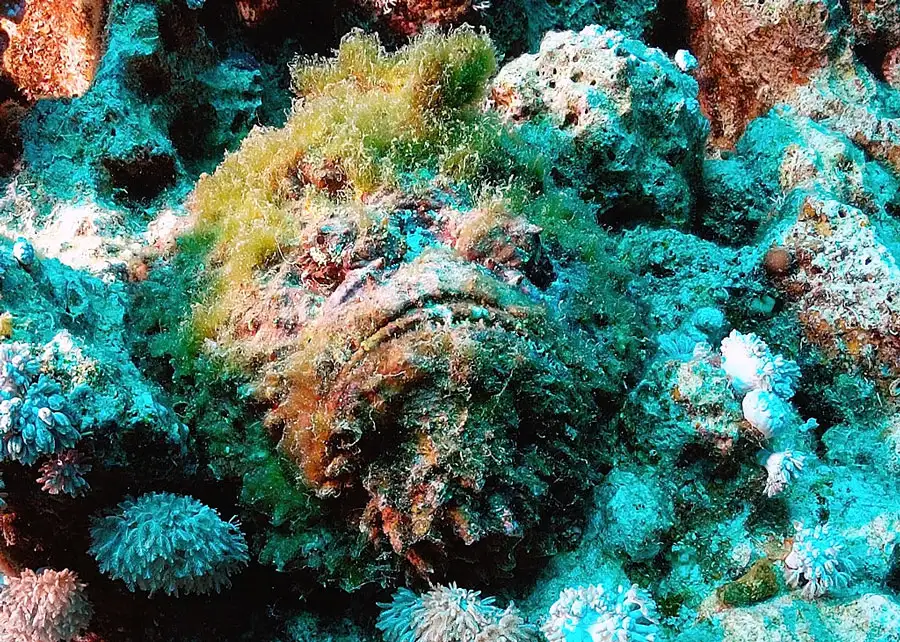
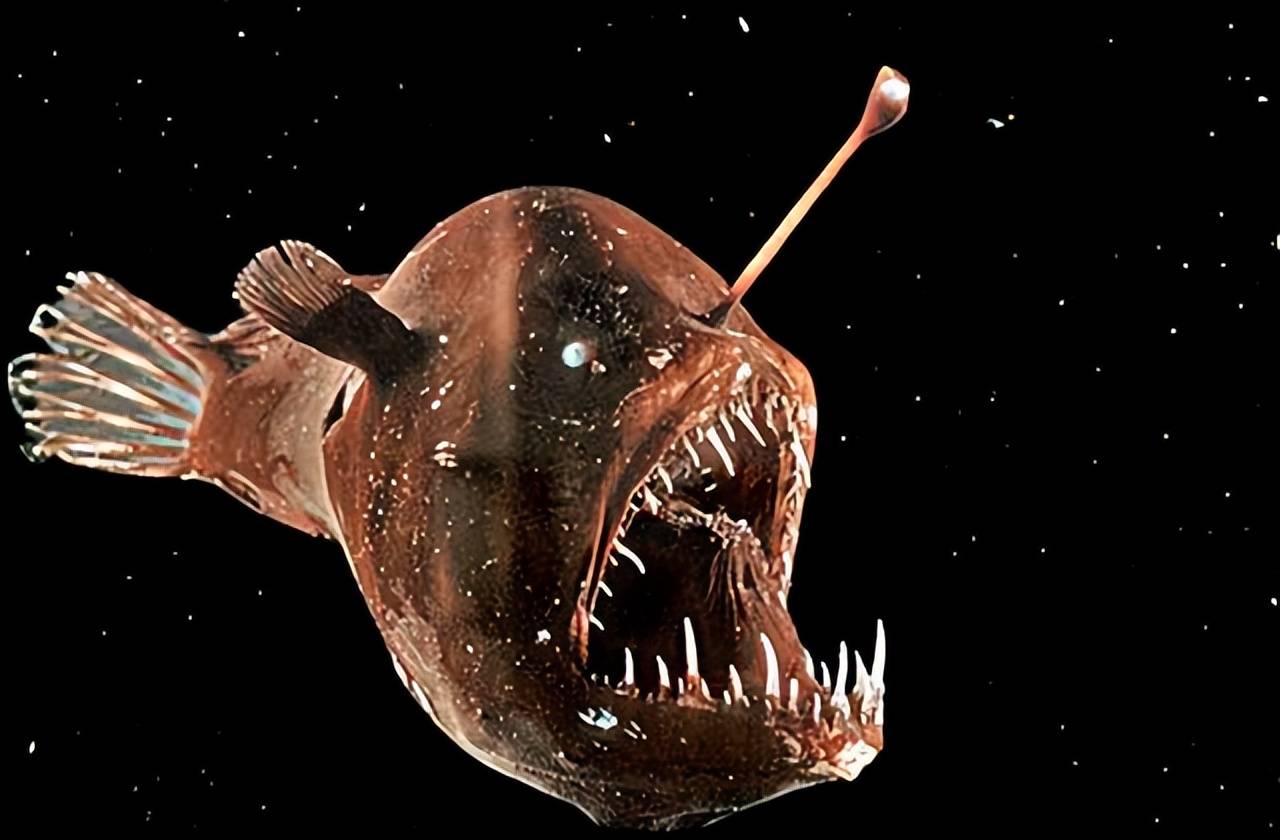
Coldwater environments allowed groups like the codfishes (Gadiformes) to thrive, while the deep sea is home to specialized species like anglerfishes and scorpionfishes.
Modern Oceans
Through the Cenozoic Era, marine fishes continued to evolve into today’s tens of thousands of species.
Anthropogenic pressures (overfishing, habitat destruction) affect their population dynamics and have led to the need for marine conservation and regulated fisheries.
III. Major Orders and Families of Marine Fishes
Below is a simplified classification of marine fishes, divided into cartilaginous fishes and bony fishes, highlighting common or notable orders, families, and representative genera/species. Due to the vast number of species, only a selection of typical groups is provided.
A. Cartilaginous Fishes (Class Chondrichthyes)
| Order | Family | Representative Genus | Example Species | Distribution & Notes |
|---|
| Lamniformes (Mackerel Sharks) | Lamnidae (Mackerel Shark Family) | Carcharodon (White Shark), Isurus (Mako Shark) | Great White Shark (Carcharodon carcharias), Shortfin Mako (Isurus oxyrinchus) | Large, open-ocean apex predators, partial endothermy (regional warm-bloodedness). |
| Alopiidae (Thresher Sharks) | Alopias (Thresher Sharks) | Common Thresher Shark (Alopias vulpinus) | Known for using their elongated tail to stun prey; found in warmer oceans worldwide. |
| Carcharhiniformes (Ground Sharks) | Carcharhinidae (Requiem Sharks) | Carcharhinus, Galeocerdo (Tiger Shark) | Grey Reef Shark (Carcharhinus amblyrhynchos), Tiger Shark (Galeocerdo cuvier) | Diverse coastal sharks; some species pose risks to humans. |
| Triakidae (Houndsharks) | Mustelus (Smooth-hounds) | Spotted Gully Shark (Mustelus manazo) | Typically found on continental shelves; small to medium-sized coastal sharks. |
| Myliobatiformes (Rays) | Mobulidae (Manta & Devil Rays) | Manta, Mobula | Giant Manta Ray (Manta birostris), Devil Ray (Mobula mobular) | Enormous “wingspan” (several meters), filter plankton feeders, graceful swimmers. |
| Dasyatidae (Stingrays) | Dasyatis (Stingrays) | Red Stingray (Dasyatis akajei), etc. | Bottom-dwellers with barbed tails, common in tropical & temperate coastal seas. |
| Heterodontiformes (Bullhead Sharks) | Heterodontidae (Bullhead/Horn Sharks) | Heterodontus | Japanese Bullhead Shark (Heterodontus japonicus), etc. | Small, benthic sharks with specialized dentition for crushing hard-shelled prey. |
(Further cartilaginous fish orders, e.g., other Batoid rays and sawfish, are not all listed here.)
B. Bony Fishes – Ray-Finned Fishes (Subclass Actinopterygii)
| Order | Family | Representative Genus | Example Species | Distribution & Notes |
|---|
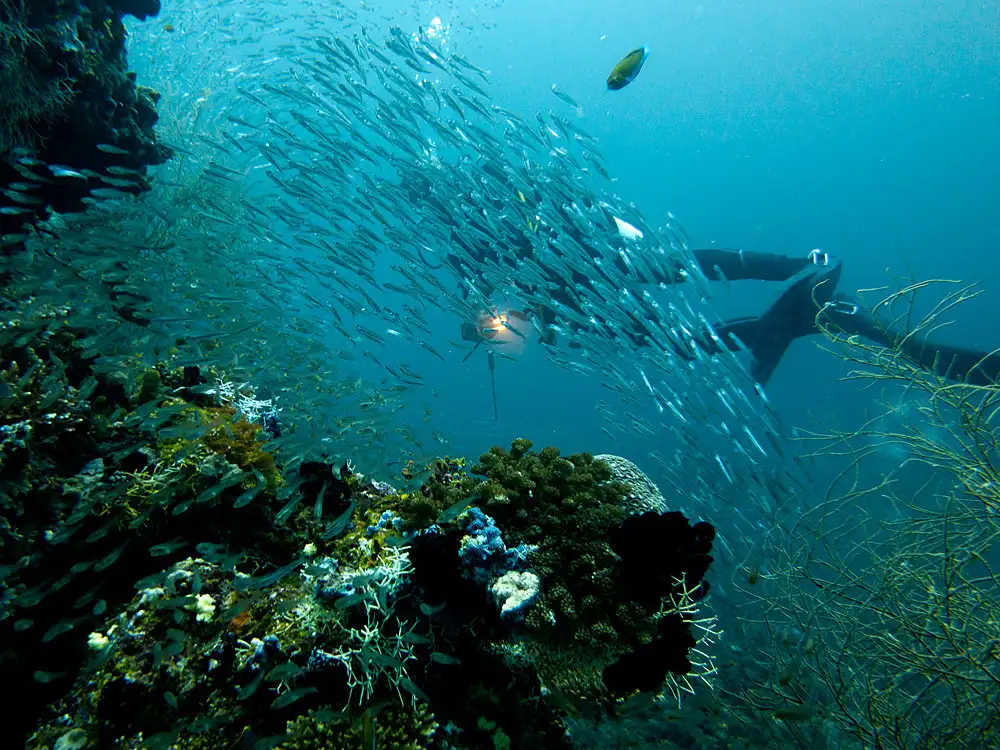
| Clupeiformes (Herrings) | Clupeidae (Herrings, Sardines) | Sardinella, Clupea (Herrings) | Pacific Sardine (Sardinops sagax), Atlantic Herring (Clupea harengus) | Filter feeders of plankton; often form large migratory schools; key commercial fisheries. |
| Salmoniformes (Salmons) | Salmonidae (Salmon, Trout)*some diadromous | Oncorhynchus (Pacific Salmon), Salmo (Atlantic Salmon) | Chinook Salmon (Oncorhynchus tshawytscha), Atlantic Salmon (Salmo salar) | Many spawn in freshwater but grow in the ocean; extremely important for commercial and recreational fishing. |
| Gadiformes (Codfishes) | Gadidae (Cods) | Gadus (True Cods), Theragra (Pollocks) | Atlantic Cod (Gadus morhua), Alaska Pollock (Theragra chalcogramma) | Common in cold or temperate seas; important demersal fish resources. |
| Perciformes (Perch-like) | Serranidae (Groupers/Sea Basses) | Epinephelus, Cephalopholis | Tiger Grouper (Epinephelus fuscoguttatus), Coral Grouper (Cephalopholis miniata) | Reef-associated predators, high food value; includes large species known as groupers. |
| Scombridae (Tunas, Mackerels) | Thunnus (Tunas), Scomber (Mackerels) | Yellowfin Tuna (Thunnus albacares), Atlantic Mackerel (Scomber scombrus) | Highly migratory, fast-swimming open-ocean fishes; major global fishery species. |
| Labridae (Wrasses) | Cheilinus, Thalassoma | Humphead Wrasse (Cheilinus undulatus), Moon Wrasse (Thalassoma lunare) | Reef fishes notable for bright colors; some (e.g., Humphead) grow large and have significant ecological roles. |
| Serranidae (some groupers/seabasses)*overlaps | Chromileptes (Panther Grouper) | Humpback Grouper (Cromileptes altivelis) | Taxonomic debate; large benthic predators; widely referred to as “groupers.” |
| Pleuronectiformes (Flatfishes) | Pleuronectidae, Soleidae (Flounders, Soles) | Pleuronectes, Solea, etc. | Turbot (Scophthalmus maximus), Tonguefishes (Cynoglossus spp.) | Laterally flattened, both eyes on one side, benthic lifestyle in coastal or shelf habitats. |
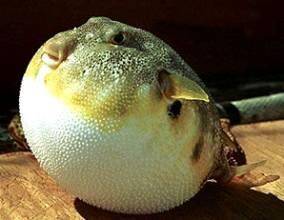
| Tetraodontiformes (Puffers, Mola) | Tetraodontidae (Puffers), Molidae (Molafish) | Arothron, Takifugu (Puffer), Mola (Ocean Sunfish) | Tiger Puffer (Takifugu rubripes), Ocean Sunfish (Mola mola) | Often have tough skin or spines, bizarre shapes (puffers inflate themselves, sunfish have disc-like bodies). |
| Syngnathiformes (Pipefishes, Seahorses) | Syngnathidae (Pipefishes, Seahorses) | Hippocampus (Seahorses), Syngnathus (Pipefish) | Kellogg’s Seahorse (Hippocampus kelloggi), etc. | Unique male brood pouch for incubation; many species with camouflage capabilities and prehensile tails. |
(Additional groups include reef fishes like butterflyfishes (Chaetodontidae), damselfishes (Pomacentridae), scorpionfishes (Scorpaenidae), etc.)
IV. Conclusion
Multiple Evolutionary Origins, Vast Diversity
Marine fishes encompass multiple lineages (e.g., sharks, rays, and numerous bony fish orders). Over hundreds of millions of years, they have undergone repeated radiations in the oceans, driven by environmental changes and niche opportunities.
Varied conditions (temperature, depth, light, and salinity) in the oceans have produced extreme morphological, ecological, and behavioral diversity.
Ecological and Human Importance
From apex predators like sharks to reef grazers and shoaling mid-level consumers, marine fishes maintain ecosystem balance.
Fisheries provide food, fish oil, and fishmeal; aquarium trades and dive tourism highlight their aesthetic and economic value. Sustainable fisheries management and habitat protection are critical for their long-term survival.
Conservation Challenges
Overfishing has drastically reduced populations of many high-value species (e.g., tunas, groupers, sharks).
Climate change is altering sea temperatures and acidification levels, while reef degradation impacts myriad reef fishes.
Establishing quotas, marine protected areas, and international cooperation are vital to ensuring marine fish resources and ecosystems remain healthy.
Through the above introduction and classification list, you can have a deeper understanding of the diverse distribution and evolution of marine fish in modern animal systems, and also understand the status and conservation challenges of marine fish in marine ecology and human society. If you need to further refine to specific families, genera and species (including morphological characteristics, distribution range and protection status, etc.), you can refer to professional fishery or marine biology literature, regional marine fish atlases and the latest academic papers. I hope this information can present you with a detailed "Marine Fish Classification Encyclopedia".
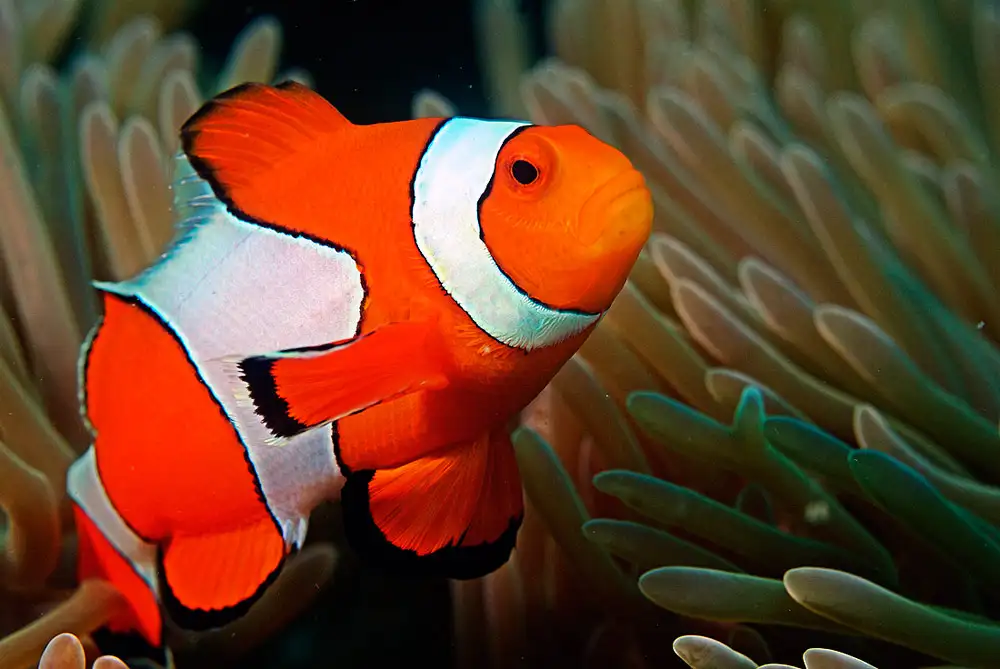 LC
LC