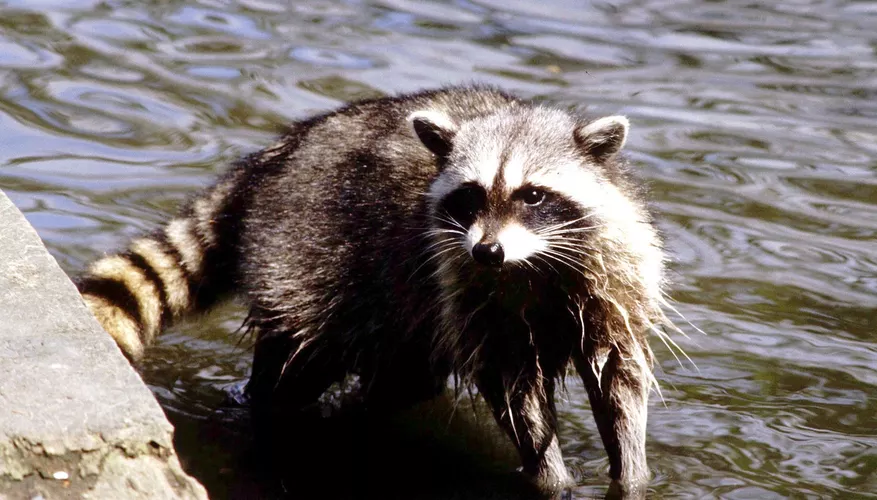
Raccoons are easily recognizable by their distinctive black masks and ringed tails. These mostly nocturnal creatures are known for their adaptability and omnivorous diet, which allows them to survive in diverse environments, particularly those close to human settlements. Here, we explore the varied diet of raccoons, highlighting their ability to adjust their food intake based on availability and season.
Raccoon Diet: Vegetation and Fruits
Raccoons are not picky eaters, and their diet includes a substantial amount of vegetation and fruits. Depending on the season and their local environment, raccoons enjoy a variety of fruits and plants.
| Type of Vegetation | Examples |
|---|---|
| Fruits | Apples, blackberries, cherries |
| Nuts | Acorns, beechnuts (important for winter survival) |
| Seeds and Grains | Corn (often stolen from fields and gardens) |
Fruit consumption is particularly crucial during the summer and fall months when these foods are most abundant. Raccoons are known to frequent human-planted gardens and fields, especially enjoying corn, which often becomes a significant part of their diet.
Animal-Based Foods in a Raccoon’s Diet
Aside from plant-based foods, raccoons have a strong preference for various types of animals, particularly aquatic species and small mammals.
| Type of Animal Food | Examples |
|---|---|
| Aquatic Animals | Frogs, turtles, crayfish |
| Small Mammals | Mice, bats, voles, muskrats, rabbits |
| Birds | Ducks and other small birds (if accessible) |
| Other | Snakes, fish, freshwater mussels |
In the spring, raccoons often focus on animal-based foods due to the higher availability of aquatic animals and the emergence of small mammals from hibernation.
Opportunistic Feeding: Adapting to Urban Environments
Raccoons are highly adaptable and can thrive in urban areas by scavenging and consuming a wide range of additional food sources.
| Opportunistic Foods | Examples |
|---|---|
| Eggs | Turtle eggs, duck eggs, and other accessible eggs |
| Insects | Earthworms, various insects (common in spring) |
| Pet Food | Dog and cat food left outside by residents |
Raccoons are notorious for their ability to scavenge near human homes and are often seen rummaging through garbage cans for discarded food. They also pose a risk to campsites and homes, as they are known to break in and steal food.
Scavenging Behavior and Risks
Raccoons often consume carrion and are not shy about scavenging dead animals along roadsides. While this provides an easy meal, it also exposes them to significant risks from traffic.
| Scavenging Source | Risks Involved |
|---|---|
| Carrion | Easy source of food but dangerous near roads |
| Human Trash | Diverse food supply but potential for harm from ingesting inedible materials |
Conclusion: The Diverse Diet of Raccoons
Raccoons' omnivorous diet allows them to adapt to various environments, from wild forests to urban areas. Their ability to consume a wide range of foods—from fruits and nuts to small animals and carrion—helps them survive in areas with differing food availabilities. Understanding the diet of raccoons can help in managing their presence around human habitations and reducing conflicts.