
Striped Dolphin
The striped dolphin is one of the most widespread and frequently encountered offshore dolphins. It is famous for its crisp body stripes, fast swimming, and strong social behavior, often bow‑riding, leaping, and surfing in a vessel’s wake. Large groups can appear suddenly in open water, creating dr...

Killer Whale
The killer whale (Orcinus orca), also known as the orca, is the largest member of the oceanic dolphin family and one of the ocean’s most iconic apex predators. It occurs in every ocean, from polar seas to tropical waters, and can be found both near shore and offshore.Orcas are famous for their comp...

False Killer Whale
The false killer whale (Pseudorca crassidens) is a large oceanic dolphin with a sleek dark body, a blunt rounded head and no obvious beak. Its English name comes from a skull shape that resembles the orca (the “killer whale”), even though it belongs to the dolphin family (Delphinidae). In the wate...

Common Dolphin
The common dolphin usually refers to the short-beaked common dolphin, Delphinus delphis. It is famous for its speed, spectacular leaps and frequent bow-riding alongside boats. Across many temperate and subtropical seas, common dolphins are among the most frequently sighted dolphins, often forming la...

Bottlenose Dolphin
The bottlenose dolphin (most commonly referring to the common bottlenose dolphin, Tursiops truncatus) is one of the best-known dolphin species in the world. A member of the family Delphinidae, it is intelligent, highly social and widely distributed across temperate and tropical oceans. Bottlenose do...
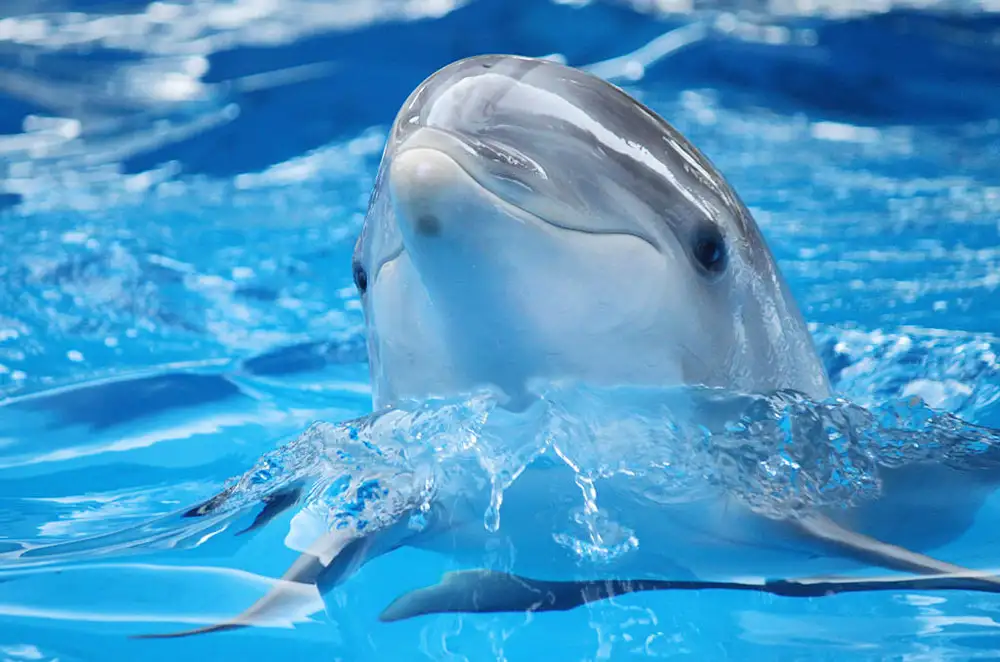
Dolphins
Delphinidae (the oceanic dolphins) is the largest and most widespread family of toothed whales,including true dolphins, killer whales (orcas), false killer whales, spinner dolphins, bottlenose dolphins and many others(~30+ genera, ~90+ species). They are noted for advanced sociality, echolocatio...
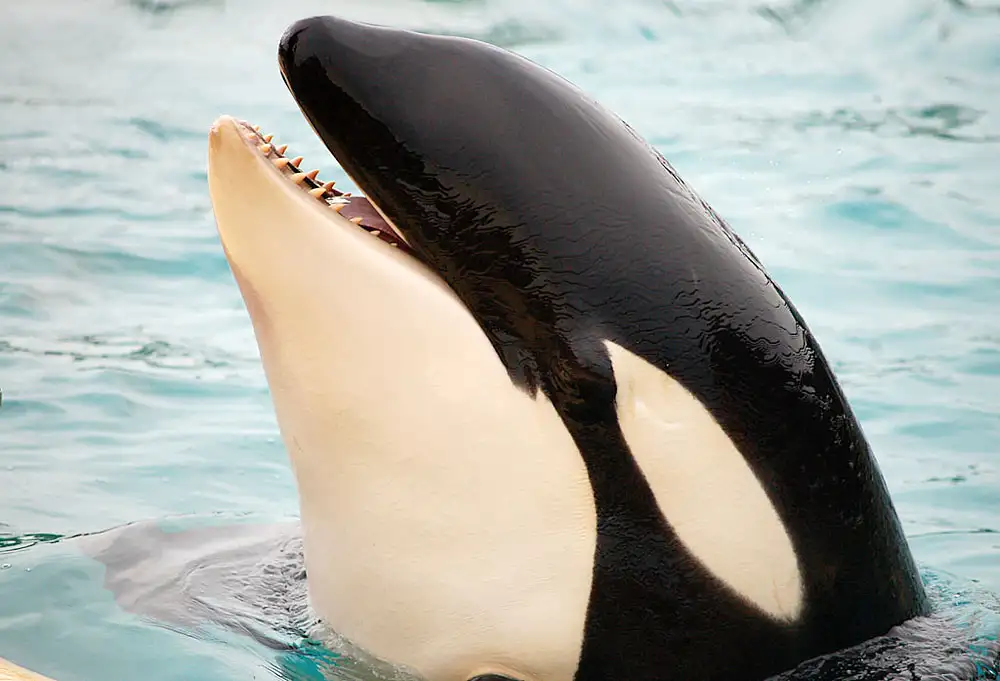
Orca (Killer Whale)
Orca (killer whale; Orcinus orca) is the largest delphinid and a cosmopolitan apex predator.Striking black‑and‑white coloration, males’ towering dorsal fin (up to ~1.8 m) and a pale saddle patch make it unmistakable.Multiple ecotypes differ in diet (fish‑eating vs. mammal‑eating), vocal “d...
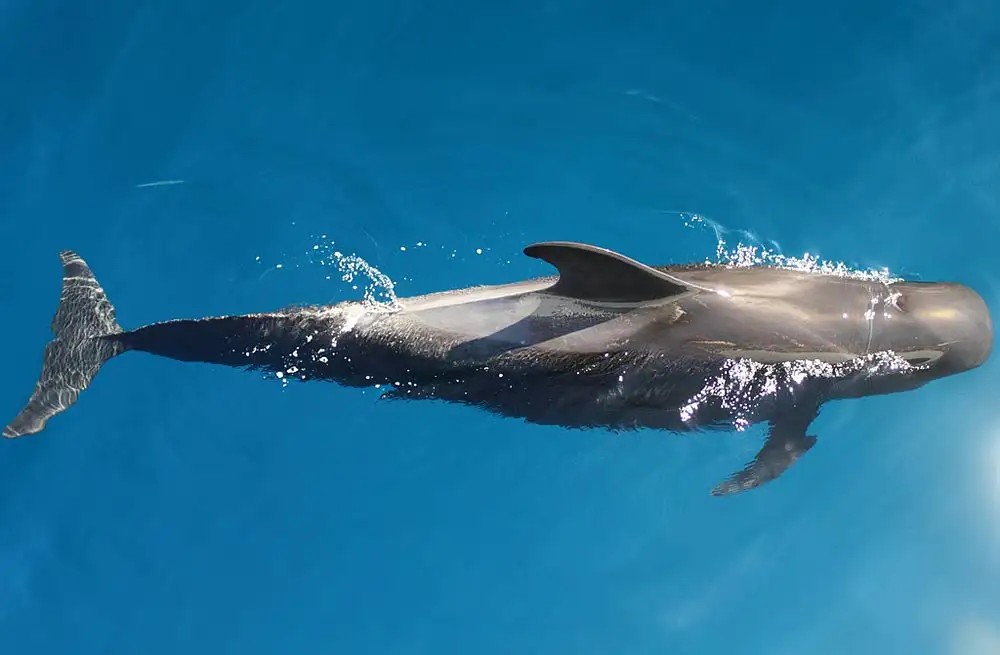
Pilot Whales
Globicephala—the pilot whales—is a genus in the family Delphinidae with two living species:the Long‑finned Pilot Whale (G. melas) and the Short‑finned Pilot Whale (G. macrorhynchus).Both are highly social, deep‑diving squid predators with rounded foreheads (large melons) and falcate, forwar...
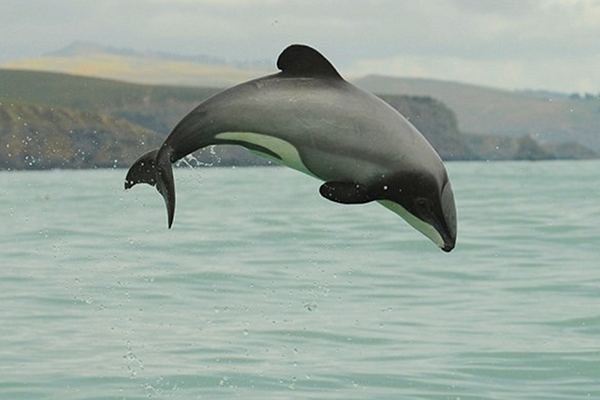
Māui Dolphin
Māui dolphin (Cephalorhynchus hectori maui) is a tiny coastal subspecies of Hector’s dolphin,restricted to the west coast of New Zealand’s North Island. It inhabits shallow, turbid nearshore waters and islisted as Critically Endangered (CR).BasicsScientific name: Cephalorhynchus hectori mauiS...

Sotalia fluviatilis
Tucuxi dolphin (scientific name: Sotalia fluviatilis) is also known as tucuxi in English. There is no subspecies.Although they may let ships approach, most Tucuxi dolphins are wary of ships. They may ride on the waves caused by passing ships, but will not perform bow riding. Often seen peeping, tail...
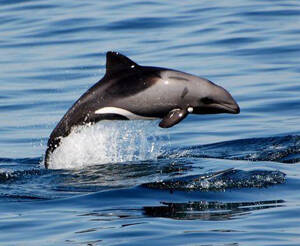
Heaviside's dolphin
Haviside's dolphin (scientific name: Cephalorhynchus heavisidii) is called Haviside's dolphin in foreign language, and has no subspecies.Haviside's dolphin is cautious by nature and sometimes quite shy. It is rare to see them jumping, but they have been known to leap more than 2 meters o...
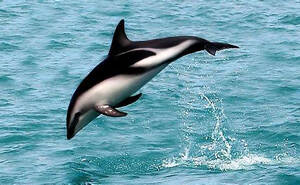
Cephalorhynchus eutropia
Chilean dwarf dolphin (scientific name: Cephalorhynchus eutropia) is also known as Chilean Dolphin and Black dolphin in foreign languages. There is no subspecies.Little is known about the Chilean dwarf dolphin, but it is generally believed that this species of dolphin is cautious by nature; it rarel...
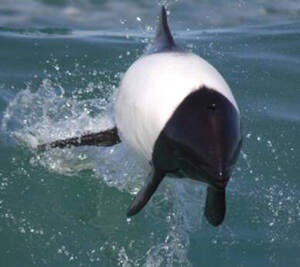
Cephalorhynchus commersonii
The spotted beaked dolphin is the common name of Commerson's dolphin (scientific name: Cephalorhynchus commersonii), also known as Commerson's dolphin in English, and has two subspecies.Spotted beaked dolphins usually live in groups of 1 to 3, and there are also large groups of more than 100...
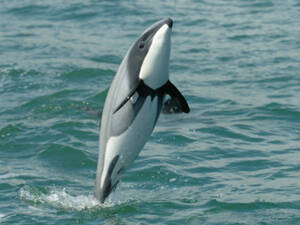
Cephalorhynchus hectori
New Zealand black and white dolphins (scientific name: Cephalorhynchus hectori) are called Hector's Dolphin and Dolphin in foreign languages. There are two subspecies.New Zealand black and white dolphins usually gather in small groups of 2-10. These small groups sometimes temporarily unite to fo...
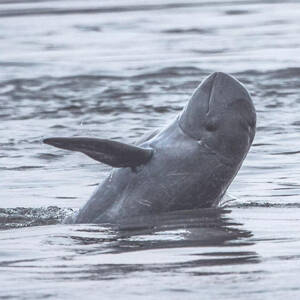
Orcaella brevirostris
Irrawaddy dolphin (scientific name: Orcaella brevirostris), foreign name Irrawaddy dolphin, no subspecies.Irrawaddy dolphins are social animals, usually 3 to 6 in groups, the social behavior of group members occurs within and outside the group, and they also swim with other groups. When Irrawaddy do...

Globicephala melas
Long-finned pilot whale (scientific name: Globicephala melas) is also known as Atlantic pilot whale and black round-headed whale. There are two subspecies.Long-finned pilot whales are a group of organisms that like to live in cold salt water areas with a temperature of 13-30℃. The diving depth is 3...
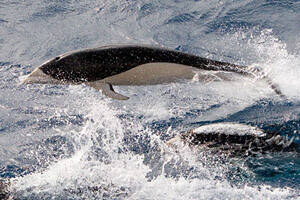
Lissodelphis peronii
The Southern Right Dolphin (scientific name: Lissodelphis peronii) is also known as the Southern Right Whale Dolphin. It has no subspecies. It is the only dolphin in the Southern Hemisphere without a dorsal fin, and has a distinct black and white pattern on its body. If the Southern Right Dolphin is...
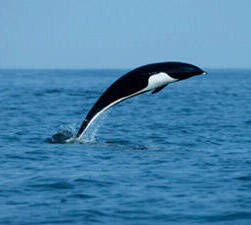
Lissodelphis borealis
Northern right whale dolphin (scientific name: Lissodelphis borealis) is called Northern right whale dolphin in foreign language, and has no subspecies.When the northern right dolphin swims and jumps quickly, the overall impression given is that of a leap; each leap can reach up to 7 meters. Very ea...
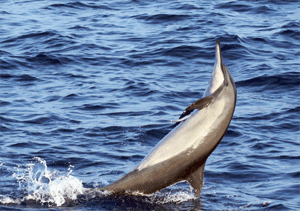
Stenella longirostris
Long-beaked dolphin (scientific name: Stenella longirostris) is also known as Spinner Dolphin in English. There are 4 subspecies.There are about 118 long-beaked dolphins in the northern Mozambique Channel surrounding Mayotte Island. They often travel in groups of more than 200, and large groups of 1...
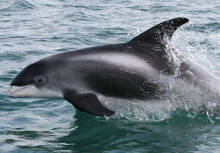
Lagenorhynchus albirostris
White-beaked dolphin (scientific name: Lagenorhynchus albirostris) is called white-beaked dolphin in foreign language, and has no subspecies.White-beaked dolphins especially like to perform bow riding in front of large, fast-moving ships, but usually lose interest quickly. Some groups are very elusi...