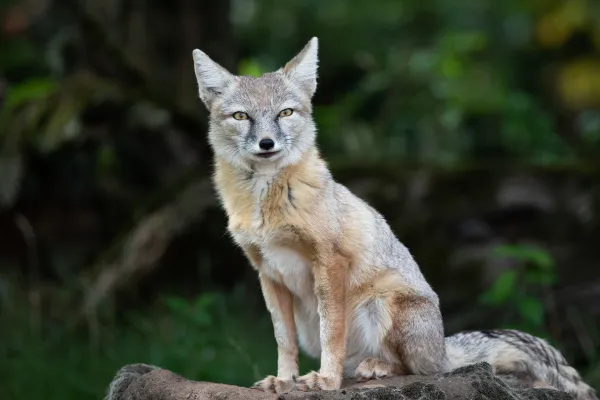
Corsac Fox (Vulpes corsac): Facts, Habitat, Diet, Behavior, and Conservation
The corsac fox, also called the steppe fox, is a small wild canid adapted to the dry open landscapes of Central Asia. It lives mainly in steppes, semi-deserts, and dry grasslands, where it survives with sharp senses, flexible feeding habits, and an ability to use underground dens to escape heat, col...
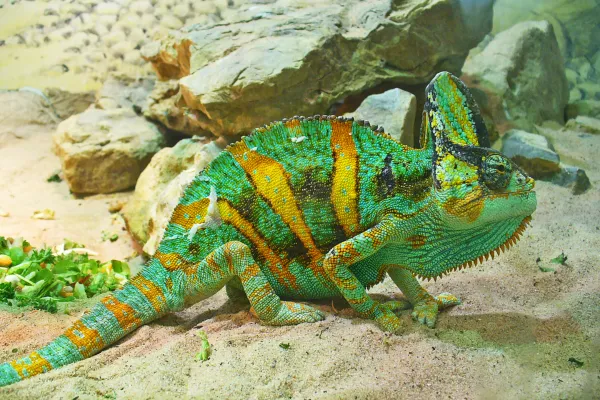
Veiled Chameleon (Chamaeleo calyptratus): Facts, Habitat, Diet, Lifespan, and Care
Veiled Chameleon (Chamaeleo calyptratus)The veiled chameleon (Chamaeleo calyptratus), also known as the Yemen chameleon, is one of the most recognizable chameleon species in the world. Famous for its tall casque, independently moving eyes, and rapid color changes, this reptile has become especially...

Desert Animals: Characteristics and Names
When we think of ecosystems with great natural richness, lush jungles and dense forests full of vegetation and abundant wildlife often come to mind first. Without a doubt, these environments represent some of the most biodiverse places on Earth.However, if we turn our eyes to deserts — landscapes t...
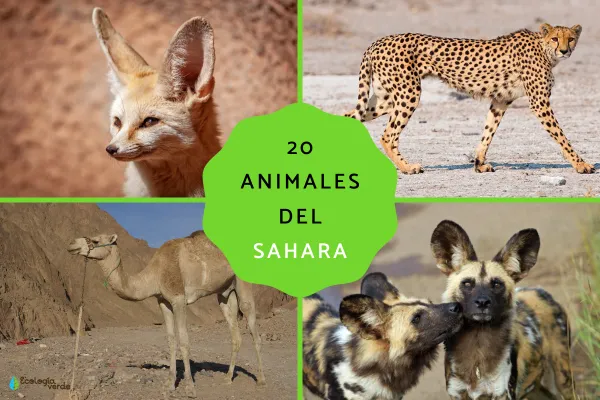
20 Fascinating Animals of the Sahara Desert
The Sahara Desert is the largest hot desert in the world, stretching across most of North Africa. With a surface area of over 9 million square kilometers—similar in size to China or the United States—it is an extreme environment where temperatures can reach up to 54 °C (129 °F) during the day...
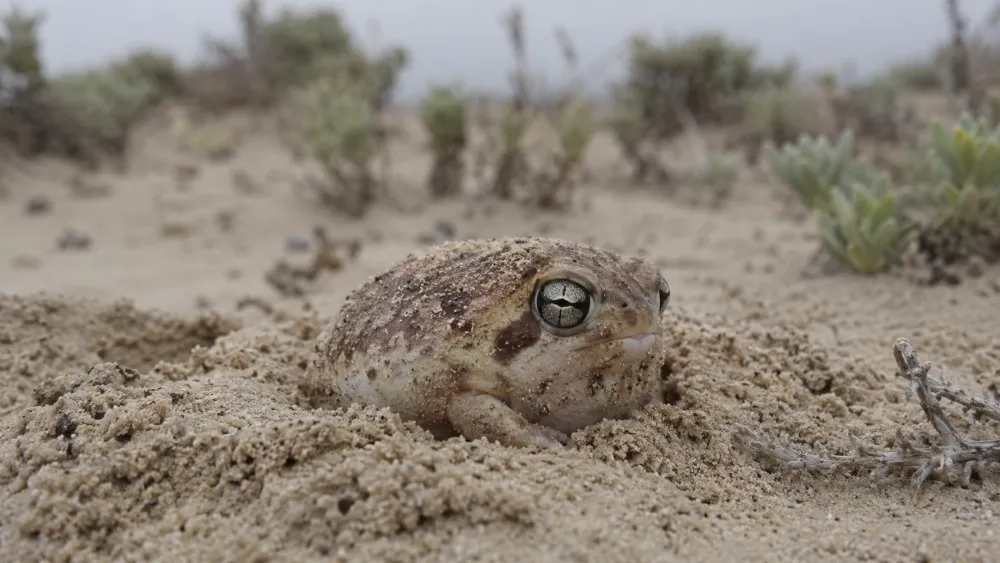
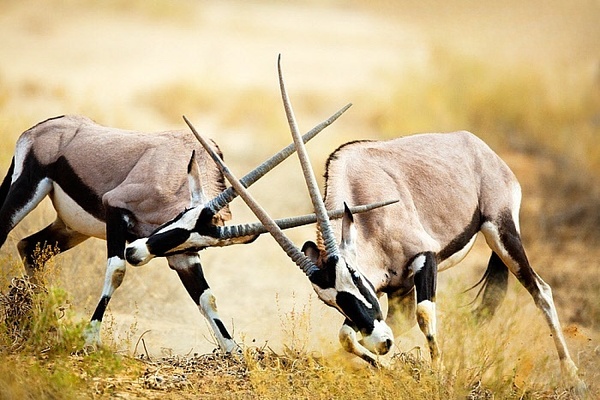
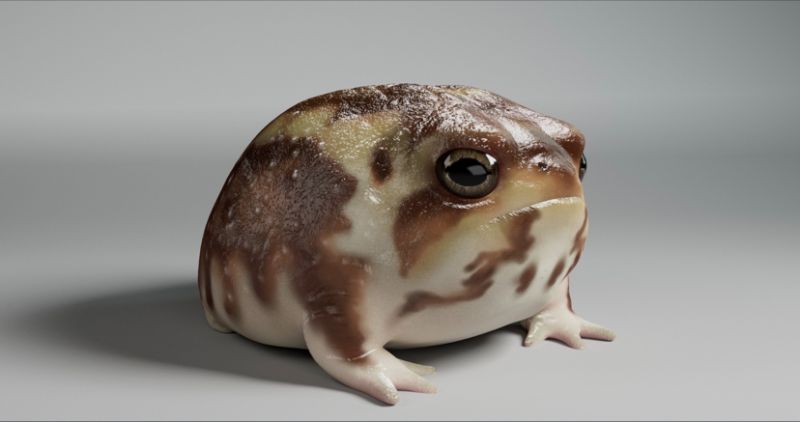
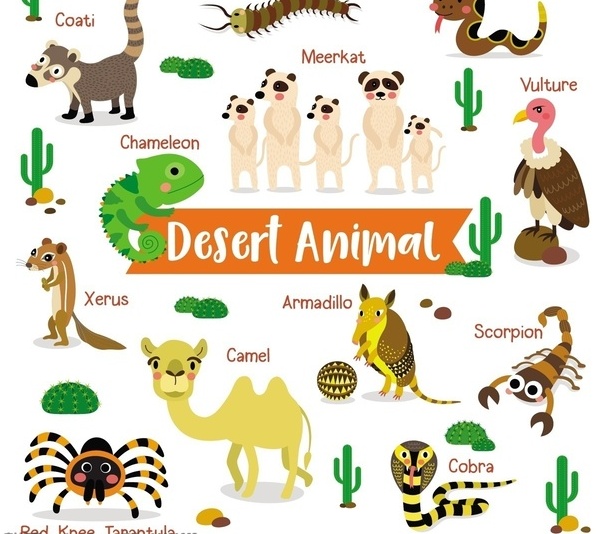
What Adaptations Do Animals Have in the Desert? A Look at Survival Strategies in Harsh Environments
Deserts are some of the most extreme environments on Earth, characterized by scorching temperatures during the day, freezing temperatures at night, and a severe lack of water. Despite these harsh conditions, many animals have evolved incredible adaptations to not only survive but thrive in the deser...