
10 Exotic Pets That Are Legal in Some US States but Not Others
If you’ve ever seen someone online keeping a “legal exotic pet,” you’ve probably noticed the fine print: what’s legal in one US state (or even one city) can be banned just over the border. That’s because exotic pet rules are shaped by a mix of public safety, disease control, invasive species r...

Are Raccoons Dangerous to Pets? How to Keep Your Dog or Cat Safe
For many pet owners in the US and parts of Europe, raccoons are regular night-time visitors. They look cute with their “bandit” masks and fluffy tails – but for dogs and cats, raccoons can be dangerous neighbors.This guide explains:When raccoons are a real threat to dogs and catsDiseases and para...

10 Exotic Pets That Are Legal in Some US States but Not Others
In the United States, “exotic pets” exist in a legal grey zone. An animal that is perfectly legal to own in one state might be completely banned in another – or allowed only with a special permit. For pet lovers who are fascinated by unusual animals, this patchwork of laws can be confusing and ri...
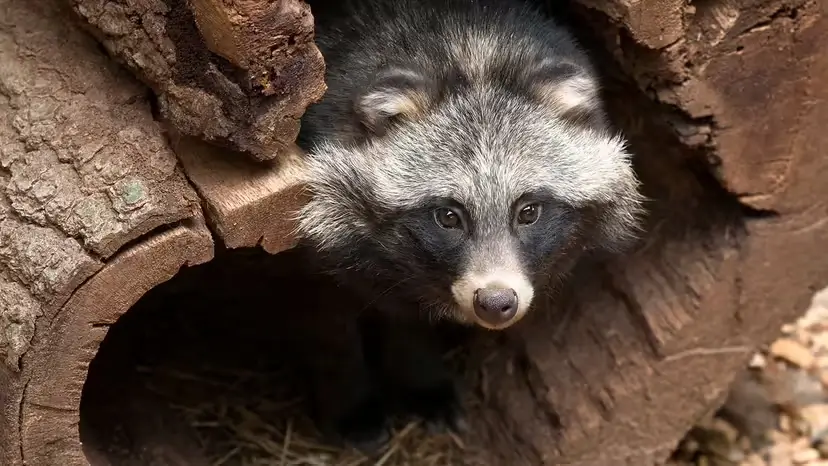
Raccoon Dog (Tanuki): Looks Like a Raccoon, Belongs to the Dog Family
A dawn “mystery animal” with a mask-like face and teddy-bear fluff turns up on a farm and the internet screams raccoon. In reality it’s a raccoon dog—also known as tanuki or Nyctereutes procyonoides—a true canid related to foxes and dogs, not to raccoons. Its looks and lifestyle overlap with ci...
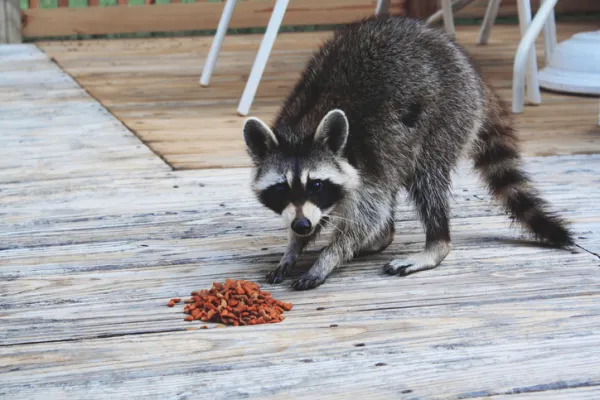
Can You Keep a Raccoon as a Pet? U.S. Laws, Ecological Risks & Your Responsibilities
Raccoons look adorable as kits, but veterinary and behavior experts emphasize they are not domesticated animals. As they mature, many develop strong possessiveness, aggression, and destructive behaviors. They also pose public-health risks (e.g., rabies, Baylisascaris roundworm), potentially endanger...
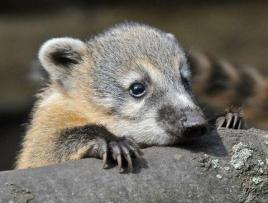
Nasuella olivacea
The coati (scientific name: Nasuella olivacea) is also known as Mountain Coati and Western Mountain Coati in foreign languages. It has three subspecies.The coati's main food is soil invertebrate adults and larvae, especially beetles, grasshoppers, locusts, centipedes, millipedes, and ants. Frogs...
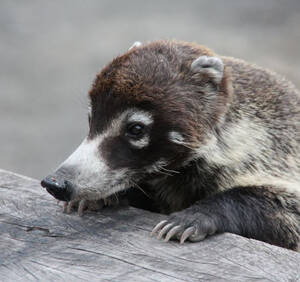
Nasua narica
White-nosed coati (scientific name: Nasua narica) has four subspecies.White-nosed coatis are diurnal, usually roosting in treetops at night and descending from trees to forage at dawn; adult males occasionally move at night. When looking for food, they first use their flexible long noses to sniff, t...
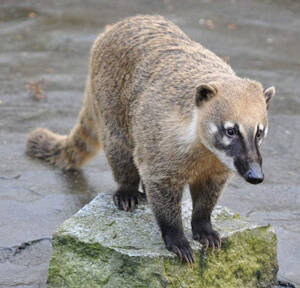
coatimundi
The coatimundi, also known as coatimundi or coatimondi, is active during the day, in groups of 5-6 or even 40. The tail is slender with a dark ring, and it is erected when moving. It is good at climbing trees and forages for fruits, seeds, eggs and various small animals on trees and on the ground.Th...