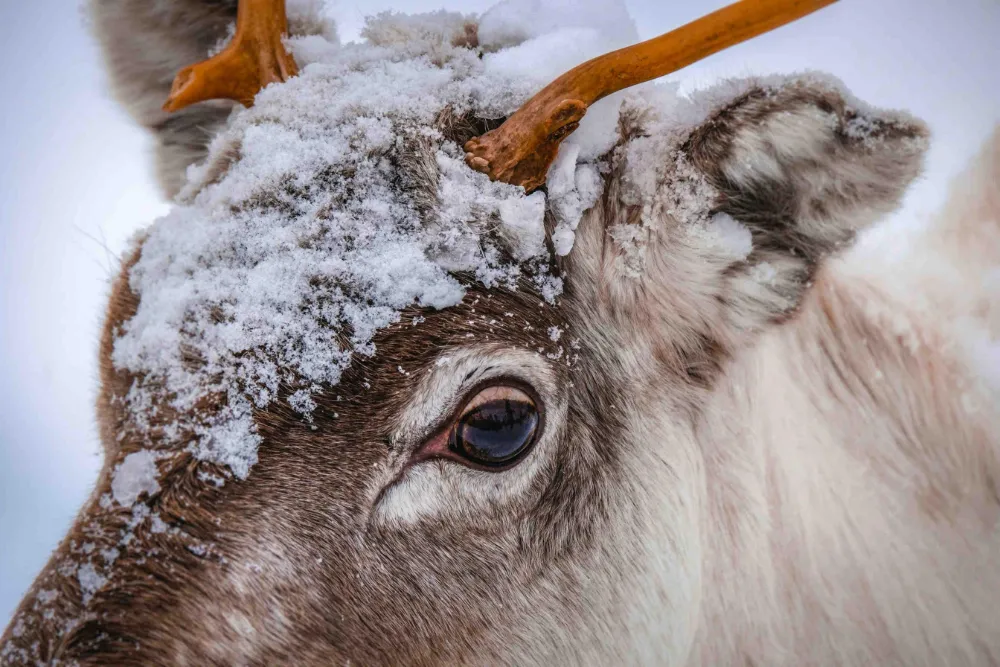
Why Do Reindeer Eyes Change Color?
Reindeer eyes change color because a reflective layer behind the retina, called the tapetum lucidum, changes with the seasons. In Arctic summer, this layer reflects mostly golden light. During winter, it becomes deep blue, helping the animal detect light in the dim Arctic environment. Researchers ha...

Reindeer (Caribou): Size, Range, Diet, Reproduction, and Threats
The reindeer, also known as the caribou (Rangifer tarandus), is one of the most iconic cold-climate deer. It is strongly associated with the Arctic and subarctic—taiga forests, tundra plains, and snowy landscapes—and it has become a staple of winter folklore. Beyond the stories, reindeer are real,...

10 Fascinating Facts About Reindeer
The reindeer is one of the most iconic animals of the cold northern hemisphere. Known as the caribou in North America, this large mammal is perfectly adapted to Arctic and sub-Arctic environments and plays a key ecological, cultural, and economic role for many northern communities.From changing eye...

11 Key Differences Between Reindeer and Moose
Reindeer and moose are two of the most iconic mammals of the cold northern hemisphere. At first glance they can look similar: both have antlers, live in snowy regions, and belong to the deer family (Cervidae). But they are completely different species – reindeer (Rangifer tarandus) and moose (Alces...
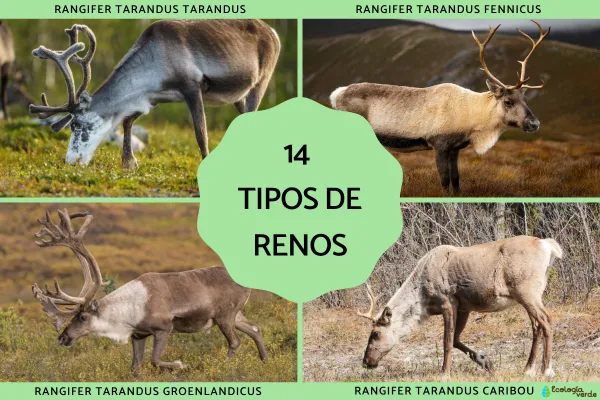
14 Types of Reindeer (Caribou): Subspecies, Habitats and Key Traits
How Many Types of Reindeer Are There?Although people often distinguish between “reindeer” (Europe/Asia) and “caribou” (North America), they are actually the same species:Rangifer tarandus.What varies is the subspecies. Over thousands of years, different populations adapted to:Arctic tundra vs. d...
Reindeer or Caribou (Rangifer tarandus): Characteristics, Subspecies, Habitat, and Diet
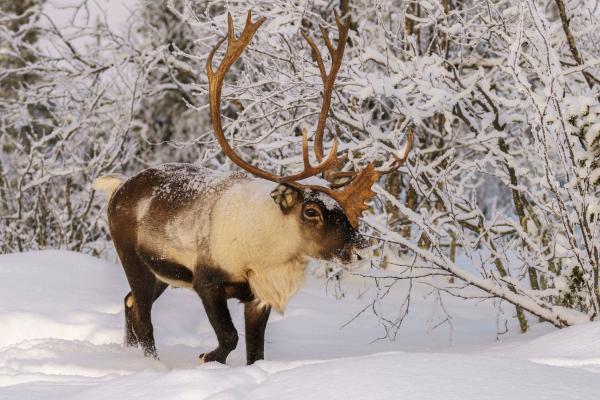
What is a Reindeer or Caribou?The reindeer or caribou (Rangifer tarandus) is a mammal belonging to the deer family (Cervidae). The term "caribou" is commonly used in North America for wild populations, while "reindeer" refers to domesticated or semi-domesticated populations, espe...
Rangifer tarandus
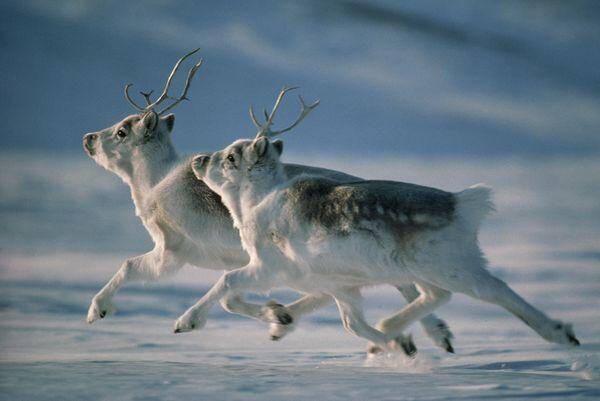
Reindeer (scientific name: Rangifer tarandus) is called Reindeer in foreign language. There are 17 subspecies. Also known as horned deer, it is the only animal under the genus Reindeer in the family Cervidae.The most amazing behavior of reindeer is the annual migration of hundreds of kilometers. As...
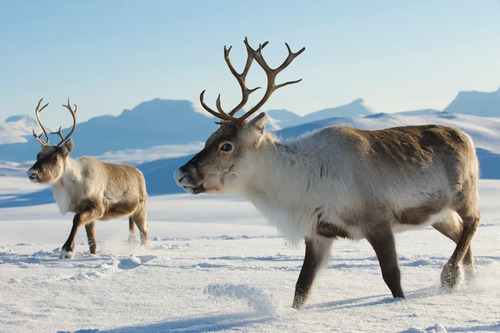
Reindeer vs Caribou: A Tale of Two Adaptations in the North
Reindeer (Rangifer tarandus) and caribou are two names for the same species, but they refer to different populations based on geographical location and domestication status. This article explores the differences and similarities between reindeer and caribou, highlighting their ecological roles, cons...
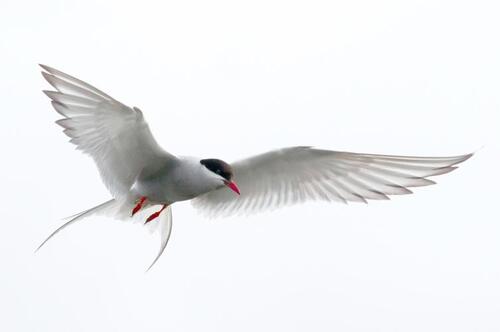
What are the animals that migrate? Uncovering the secrets of the "travelers" in nature
Animal migration is a spectacular natural phenomenon, with millions of creatures traveling thousands of miles to survive, reproduce, or find a better habitat. Under the protection of nature, many animals have demonstrated amazing migratory abilities. From migratory birds in the sky to whales in the...
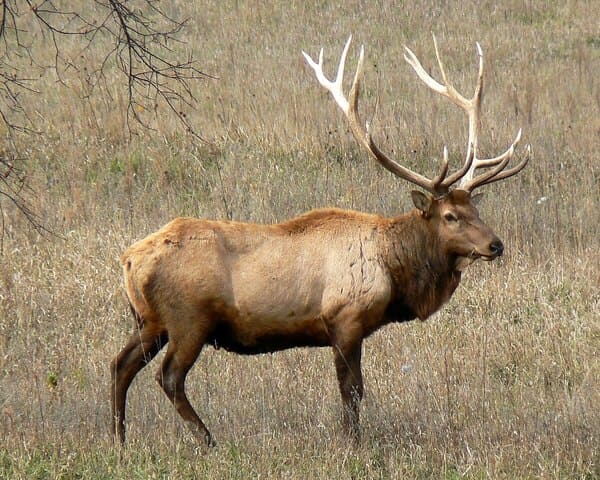
Top10 artificially bred deer species in the world. Can roe deer be raised artificially?
Deer are extremely valuable. Their antlers are regarded as valuable Chinese medicinal materials, their meat is edible, and their hides can be used for tanning. Therefore, they are subject to a large number of illegal hunting. In order to protect the reproduction of wild deer and endangered deer spec...
The living habits and economic value of reindeer
Reindeer, female deer can weigh more than 150 kilograms, and male deer can weigh as little as about 90 kilograms. Both male and female deer have a pair of branch-like antlers, with a width of up to 1.8 meters. They are formed by ossifying the dermis and piercing the skin. They are replaced every year. The old antlers just fall off and new ones begin to grow. Although reindeer are docile and kind, they were not domesticated. The reindeer in North America are purely wild; while the reindeer distri...
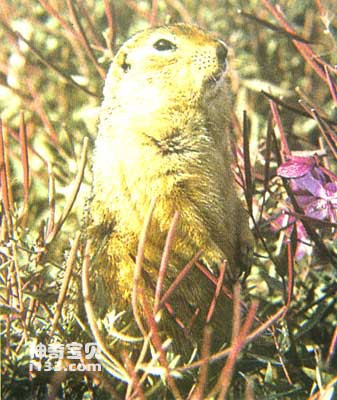
The living habits of lemmings and the mystery of the "Great Death Migration"
Lemmings are mammals that live in the Arctic all year round. They have an oval body shape, short limbs, and are smaller than ordinary mice. They can grow up to 15 cm. They have thick and short tails, small ears, and timid eyes. But when forced, When cornered, it will get angry and fight back. The Eskimos call it the animal from the sky, and the Scandinavians call it the "sky rat." This is because in a certain year, their number will increase greatly, just like the heavenly soldiers and...