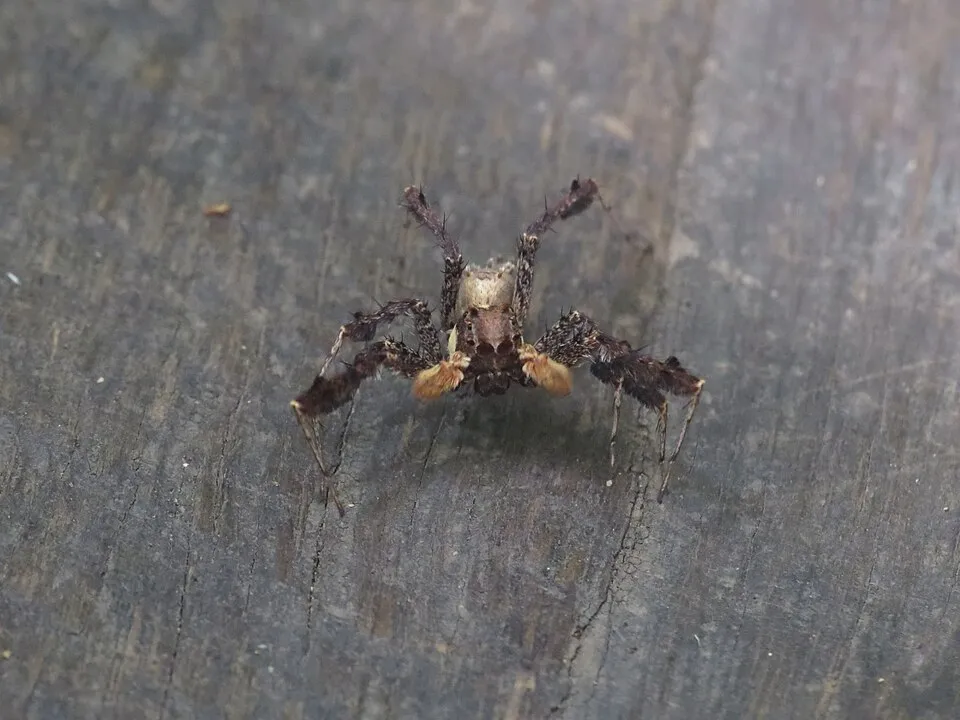


How Do Archerfish Shoot Water?
Archerfish shoot water by using a specialized groove in the roof of their mouth, their tongue, and pressure generated inside the mouth and gill chambers. Together, these structures help form a narrow water jet that can knock insects from vegetation above the water. Archerfish do more than simply squ...
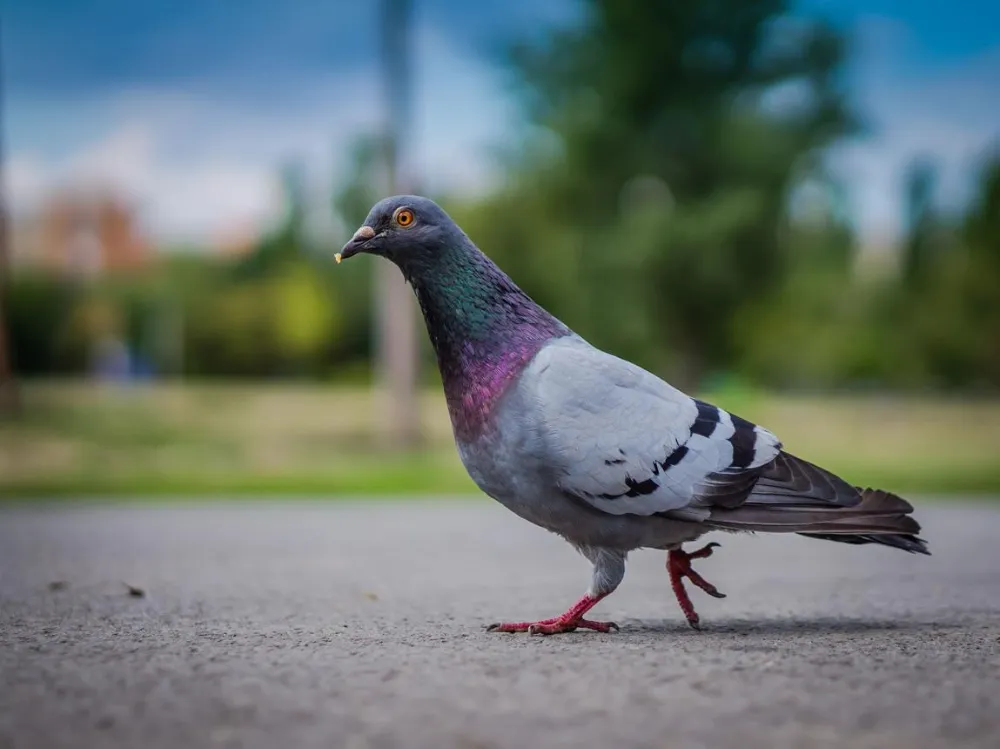
Why Do Pigeons Bob Their Heads When Walking?
Pigeons bob their heads while walking mainly to stabilize their vision. The movement consists of two phases: a hold phase, when the head remains almost stationary relative to the surrounding environment while the body moves forward, and a thrust phase, when the head moves quickly to a new position....
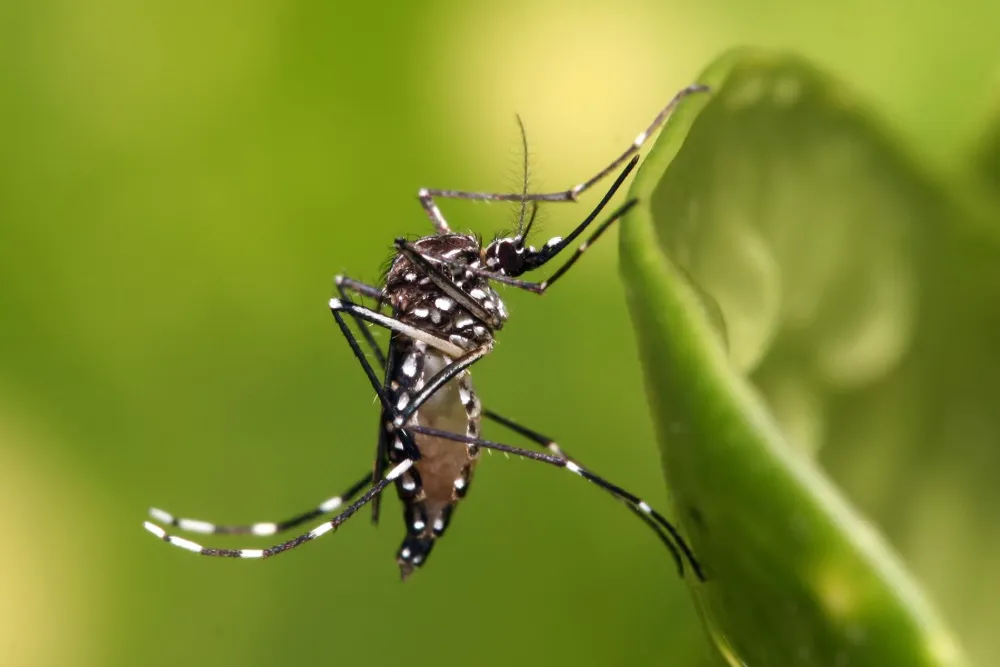
Why Do Mosquitoes Bite Some People More Than Others?
Mosquitoes bite some people more than others largely because people release different combinations of skin odors that mosquitoes can detect. Research has linked greater attraction to certain carboxylic acids found in human skin emissions. Mosquitoes also use carbon dioxide from breathing, visual cue...
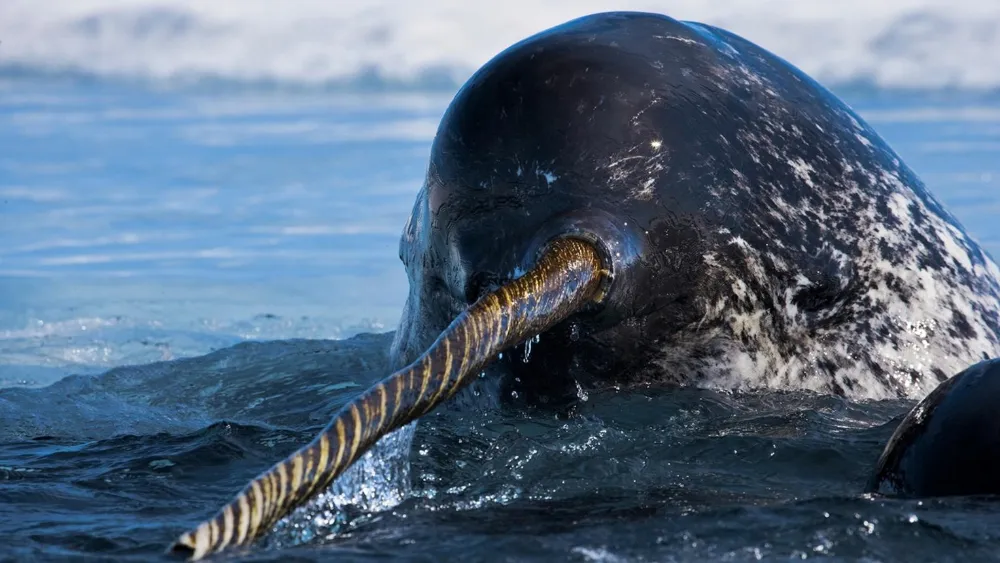
Why Do Narwhals Have Tusks?
Narwhals have tusks primarily because the elongated tooth is thought to play a role in sexual selection, especially in interactions among males. The tusk is not a horn: it is a modified tooth that usually grows from the left side of the upper jaw and projects forward through the upper lip. Scientifi...
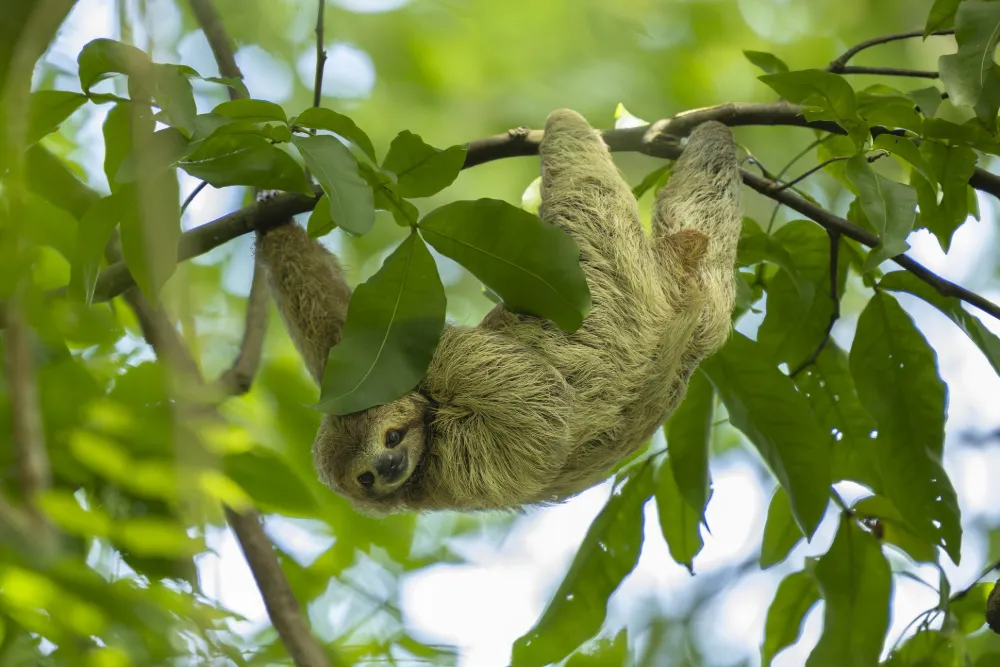
Why Are Sloths So Slow? The Science Explained
Sloths move so slowly because their bodies are adapted to conserve energy. Their low-energy diets, unusually low metabolic rates, slow digestion, and economical methods of regulating body temperature all favor a lifestyle built around careful, deliberate movement. Sloths are not simply lazy animals....
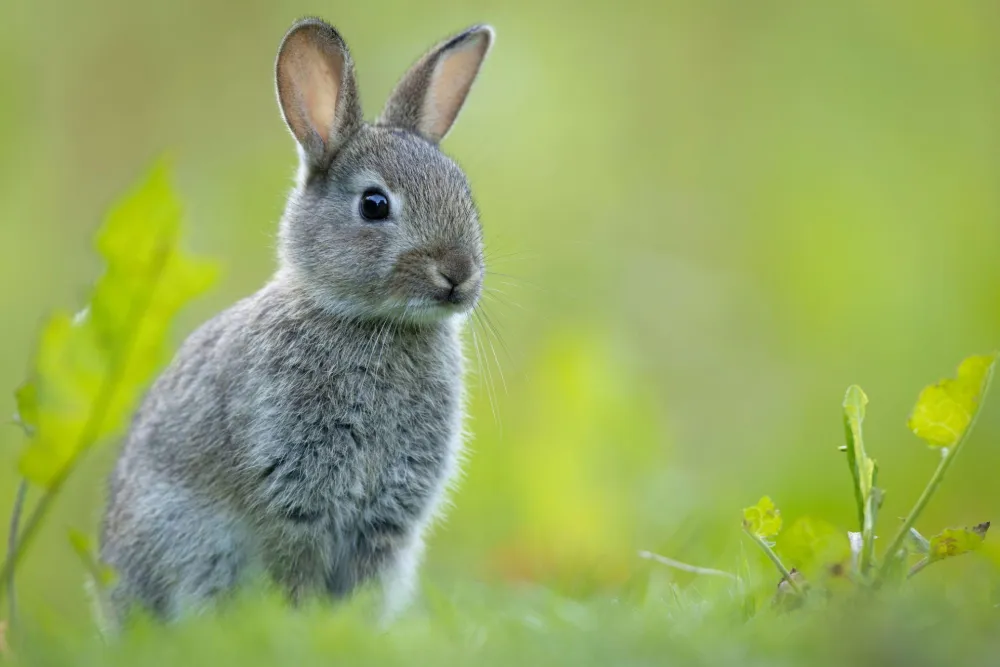
What Sound Does a Rabbit Make? Rabbit Noises Explained
Rabbits make several different sounds, including soft grunts, honks, squeaks, growls, screams, and gentle tooth-grinding noises often called purring. They are usually much quieter than dogs or cats, and they communicate through body language as well as sound. A soft honk may occur during excitement...