Can Lobsters Regrow Their Claws?
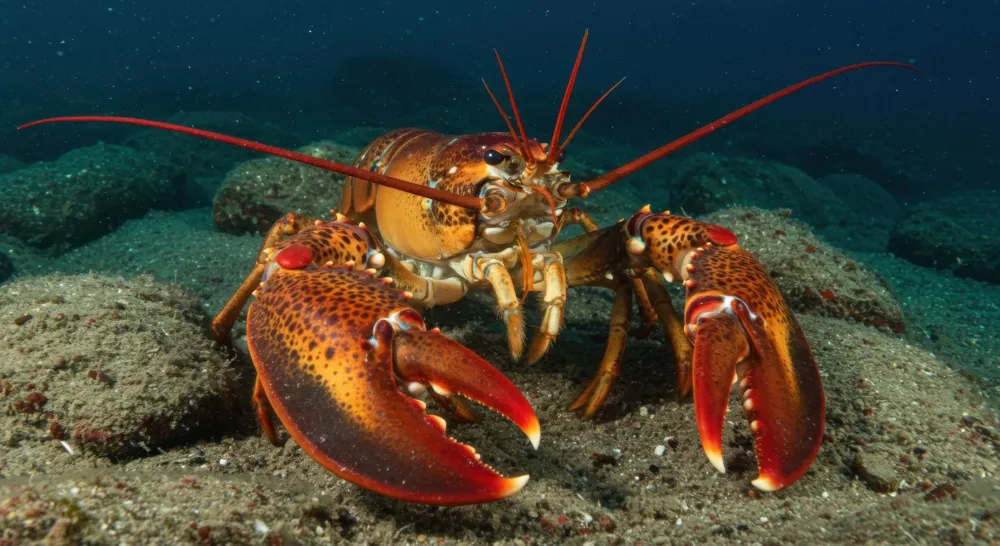
Yes, lobsters can regrow lost claws. After a claw is detached, the animal seals the wound and begins developing replacement tissues. The new claw grows as a regenerating limb bud and becomes externally visible during a later molt, when the lobster sheds its old exoskeleton. The replacement is often...
Why Do Mosquitoes Bite Some People More Than Others?
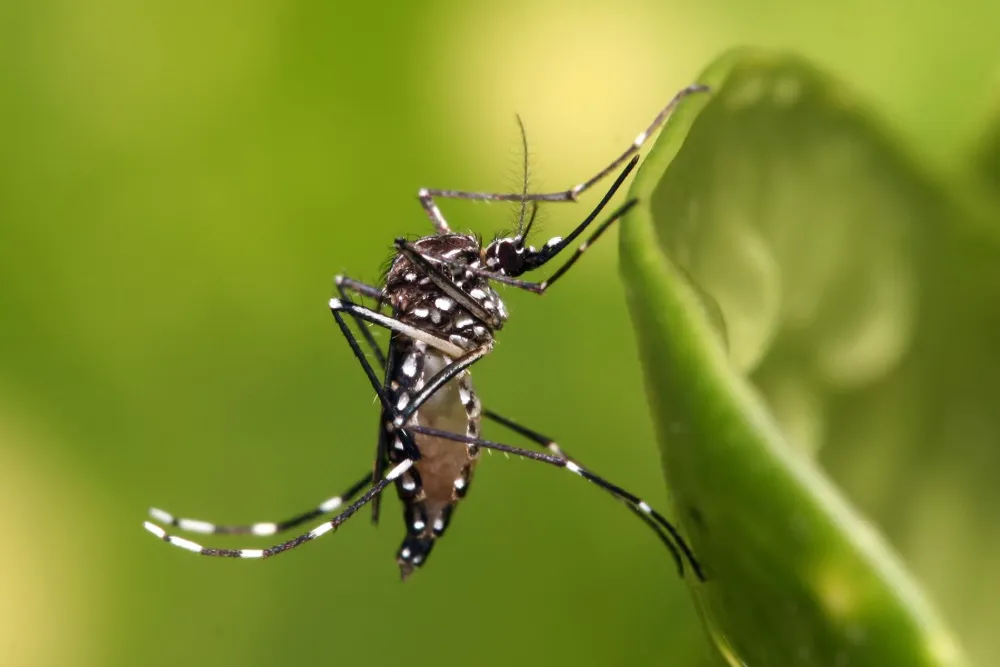
Mosquitoes bite some people more than others largely because people release different combinations of skin odors that mosquitoes can detect. Research has linked greater attraction to certain carboxylic acids found in human skin emissions. Mosquitoes also use carbon dioxide from breathing, visual cue...
How Do Starfish Regrow Their Arms?
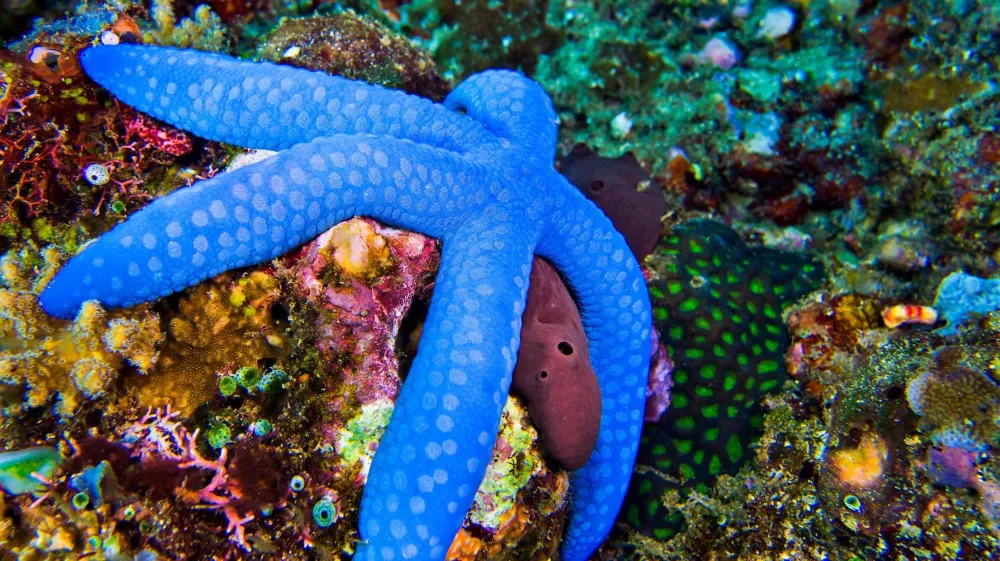
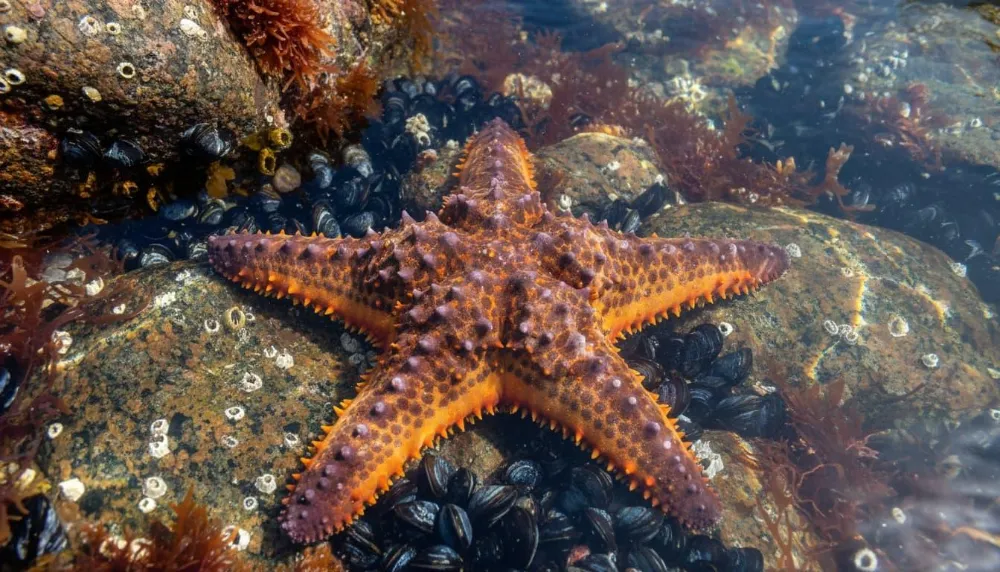
Starfish regrow lost arms through a process called regeneration. After an arm is injured or detached, the wound closes, cells near the injured area change their behavior, and new tissues gradually develop. Over time, the growing arm can rebuild its skeletal elements, muscles, nerves, and tube feet....
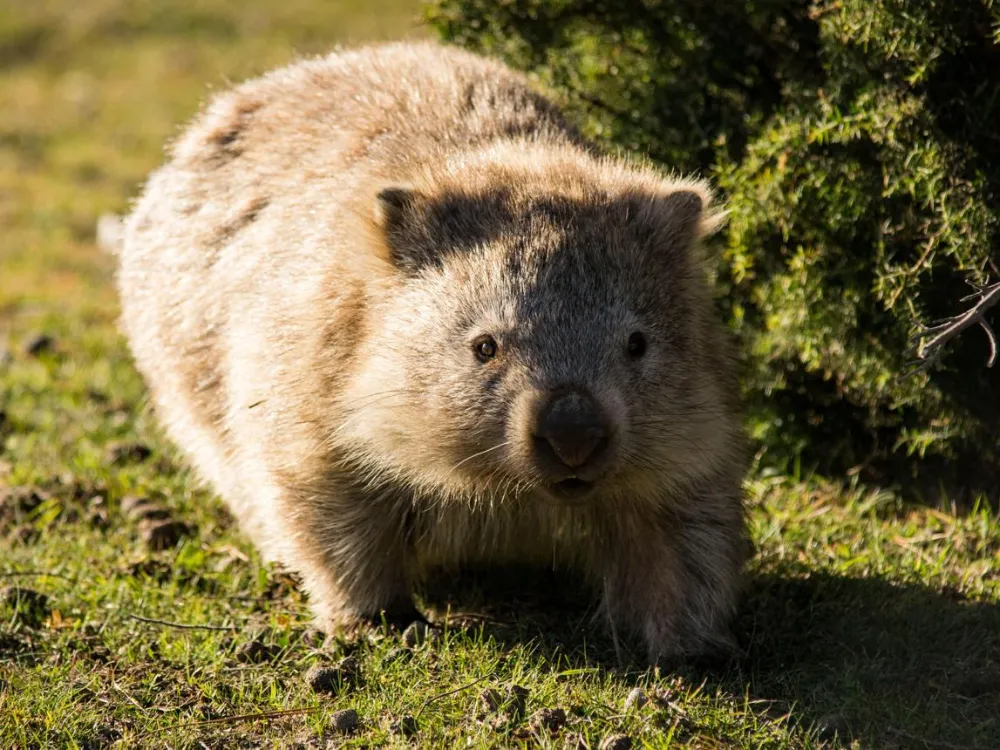
Why Do Wombats Poop Cubes?
Wombats produce cube-shaped poop because their intestines have regions with different mechanical properties. As digested material moves through the final part of the intestine, it becomes drier and is shaped by repeated muscular contractions. Researchers found that alternating stiffer and more flexi...
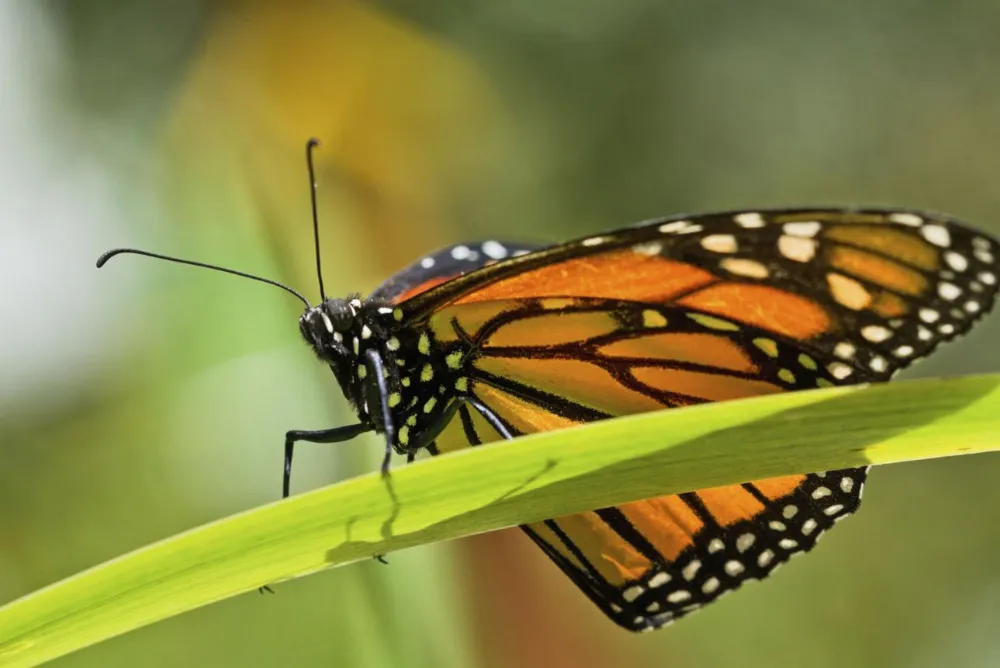
Can Butterflies Taste With Their Feet?
Yes, butterflies can taste with their feet. Many butterflies have specialized chemical sensors called gustatory sensilla on their legs, particularly on the lower foot segments known as tarsi. When a butterfly lands on a leaf or flower, these sensors can detect certain chemicals on the surface. For f...
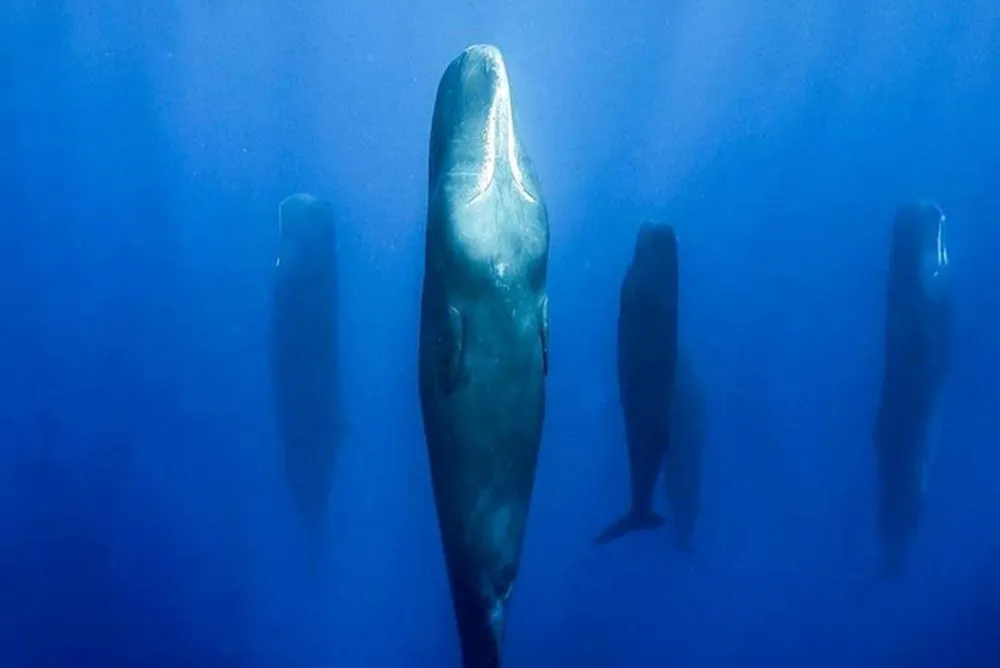
Do Whales Sleep? How Whales Rest and Breathe
Yes, whales sleep, but they do not sleep exactly like humans. Whales are air-breathing mammals, so they must continue reaching the surface to breathe while resting. Research on dolphins and other cetaceans has revealed an unusual pattern called unihemispheric slow-wave sleep, in which one side of th...
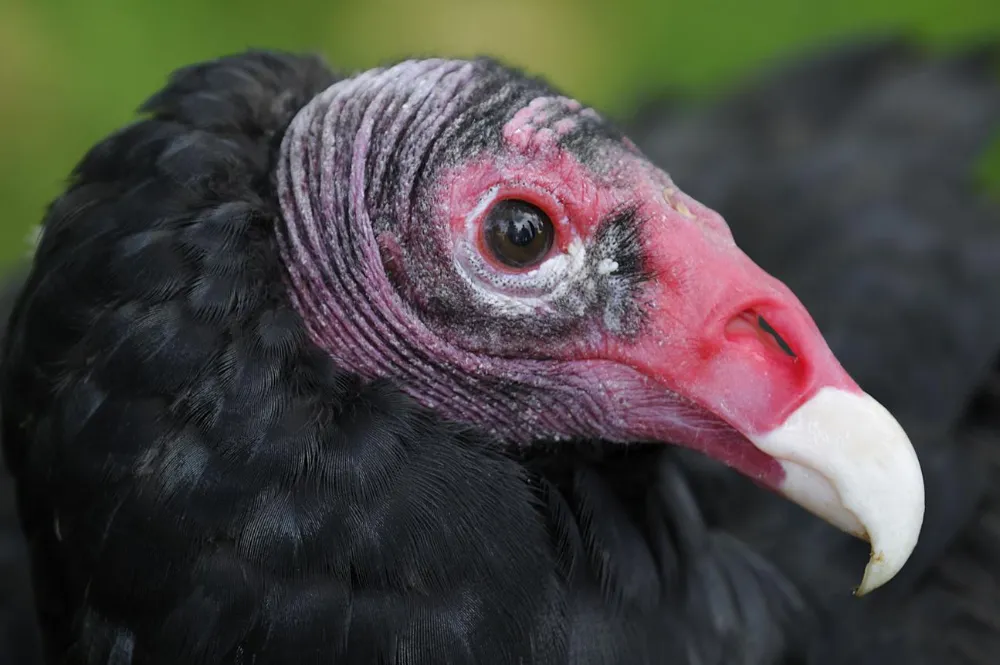
Can Birds Smell? How Birds Use Their Sense of Smell
Yes, birds can smell. Most birds possess an olfactory system, although their sensitivity to odors varies widely among species. Turkey vultures can use smell to locate carrion, some albatrosses and petrels detect airborne chemical signals associated with ocean food webs, and kiwi birds use both smell...
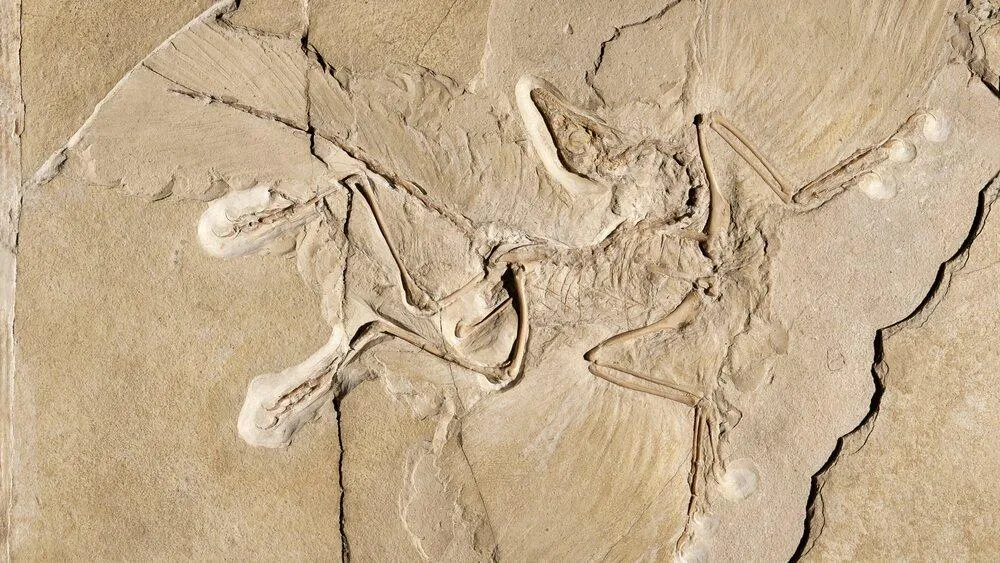
Are Birds Dinosaurs? The Evidence Explained
Yes, birds are dinosaurs. Modern birds are the only surviving branch of dinosaurs and evolved from small, feathered theropod ancestors during the Mesozoic Era. Scientific evidence from fossils, skeletal anatomy, feathers, eggs, and evolutionary relationships establishes that birds belong within the...
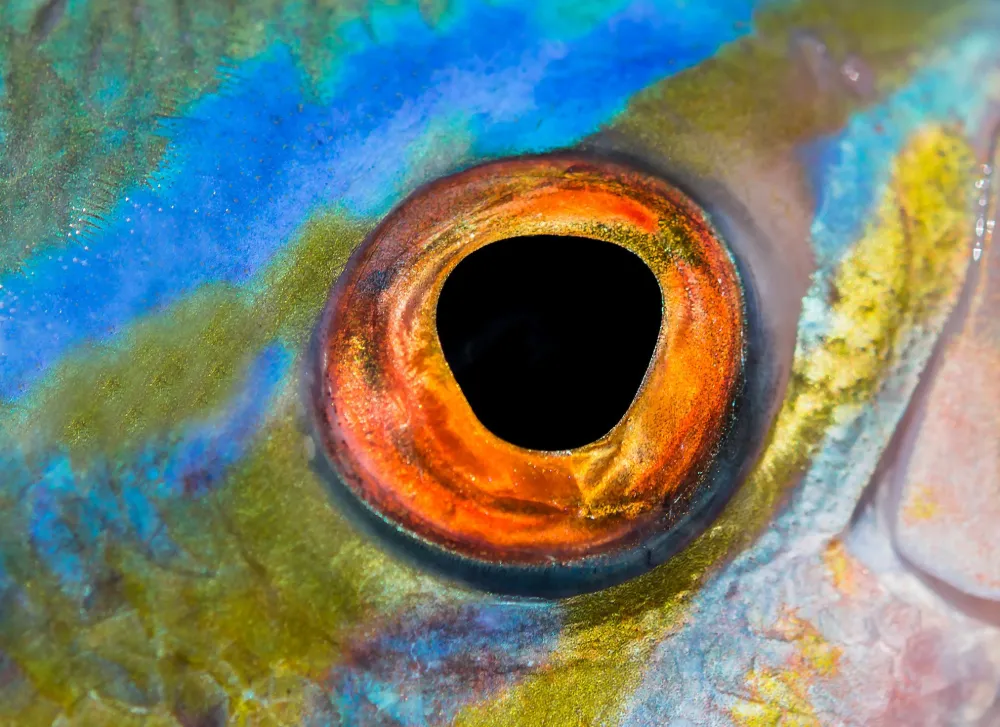
Can Fish See Water? How Fish Vision Really Works
Fish can see objects, particles, bubbles, light patterns, and boundaries in water, but they probably do not perceive uniformly clear water as a separate visible object. Just as humans normally look through clean air without noticing the air itself, fish see their surroundings through the water aroun...
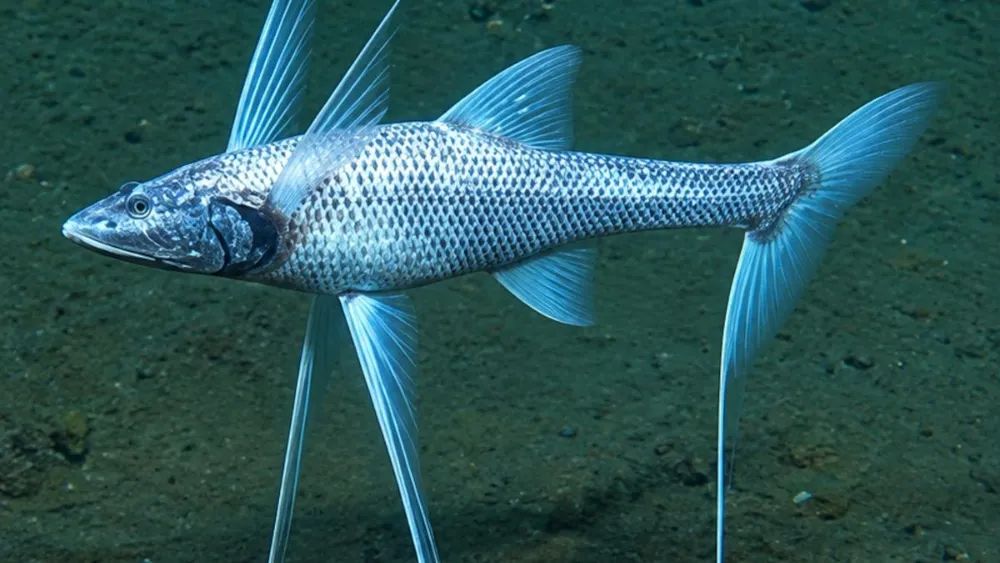
Tripod Fish: The Deep-Sea Fish That Stands on Stilts
The tripod fish is a remarkable deep-sea fish that can stand above the ocean floor using three extraordinarily long fin extensions. One of the best-known species, Bathypterois grallator, rests on two elongated pelvic-fin rays and an extended ray from the lower part of its tail fin. It faces into the...