
Aerosteon
Aerosteon was a large meat-eating theropod dinosaur from the Late Cretaceous of South America. It is especially important because its fossil bones preserve evidence of air-filled spaces linked to a bird-like breathing system. That makes Aerosteon one of the most scientifically interesting predatory...

Carnotaurus
Carnotaurus was a large meat-eating dinosaur from the Late Cretaceous of South America. It is one of the most recognizable theropods ever discovered because of the two horns above its eyes, its unusually deep skull, and its tiny forelimbs. Although it was not as massive as Tyrannosaurus, Carnotaurus...

Noasaurus
Noasaurus was a small carnivorous theropod dinosaur from the Late Cretaceous of South America. It is especially important because it gave its name to Noasauridae, a branch of small abelisauroid dinosaurs that were mainly part of southern ecosystems. Although it was much smaller than famous predators...

Megaraptor
Megaraptor was a large meat-eating theropod dinosaur from the Late Cretaceous of South America. It is best known for its oversized hand claws and its unusual mix of features, which have made it one of the more debated predatory dinosaurs in modern paleontology. When it was first described, some of i...

Abelisaurus
Abelisaurus was a meat-eating theropod dinosaur from the Late Cretaceous of South America. It is especially important because it gave its name to the abelisaurids, a group of predatory dinosaurs that became some of the main large hunters in the southern continents. Although Abelisaurus is not known...

Yangchuanosaurus
Yangchuanosaurus was a large meat-eating theropod dinosaur from Jurassic China. It is one of the best-known predatory dinosaurs from Asia and is especially famous for its powerful skull, sharp teeth, and strong hunting build. Although it is sometimes described as an Asian equivalent of Allosaurus be...

Compsognathus
Compsognathus was a small, slender carnivorous dinosaur that lived during the Late Jurassic in Europe. It is one of the best-known tiny theropods and is often remembered for its graceful build, long legs, and lightweight body. Even though it was much smaller than famous predators such as Allosaurus...

Megalosaurus
Megalosaurus was a large meat-eating theropod dinosaur from Jurassic England. Today it is known as one of the earliest named dinosaurs and one of the most important animals in the history of dinosaur science. Although it is not as famous in popular culture as Tyrannosaurus or Velociraptor, Megalosau...

Ceratosaurus
Ceratosaurus (Ceratosaurus nasicornis) was a predatory dinosaur from the Jurassic Period. It is famous for the horn on its nose and its distinctive skull shape. Although it lived in the same ecosystems as the more famous Allosaurus, Ceratosaurus had its own unique features and likely filled a slight...

Baryonyx
Baryonyx (Baryonyx walkeri) was a distinctive theropod dinosaur from the Cretaceous of Europe. It belonged to the spinosaurids—a group of predators known for long, crocodile-like snouts and hunting styles that often involved water environments.Time PeriodBaryonyx lived during the Early Cretaceous....

Archaeopteryx
Archaeopteryx (Archaeopteryx lithographica) is one of the most famous early birds in history. It lived during the Jurassic and is known for combining bird-like features (feathers and wings) with dinosaur-like features (teeth, clawed hands, and a long bony tail). Because of this unique mix, Archaeopt...

Utahraptor
Utahraptor (Utahraptor ostrommaysorum) was a giant “raptor” dinosaur from the Cretaceous of North America. It belongs to the dromaeosaurids—theropods famous for agility, sharp teeth, and a sickle-shaped claw on the second toe. Utahraptor stands out because it was much larger than the more famous...

dilophosaurus
Dilophosaurus (Dilophosaurus wetherilli) was a large predatory dinosaur from the Jurassic Period and is best known for the pair of bony crests on its skull. It lived in what is now the southwestern United States during the Early Jurassic, making it one of the key theropods for understanding early di...

Coelophysis
Coelophysis was a small, lightweight theropod dinosaur that lived in North America during the Late Triassic, long before giants like Tyrannosaurus appeared. With a slim body, long legs, and a narrow skull lined with sharp teeth, Coelophysis is often pictured as a fast and agile predator adapted for...

Santanaraptor
Santanaraptor (Santanaraptor placidus) is a small theropod dinosaur from the Early Cretaceous of northeastern Brazil. It is best known because its fossils were found in deposits that can preserve delicate details, including rare traces of soft tissues. Only partial remains are known, and the most co...

Allosaurus
Allosaurus was one of the main apex predators of the Jurassic in North America. It lived millions of years before Tyrannosaurus rex and dominated Jurassic ecosystems.HuntingWith sharp teeth and a powerful neck, Allosaurus could tear flesh from large prey. It may have hunted alone or in loose groups....

Velociraptor
Velociraptor is one of the most famous dinosaurs in popular culture, but the real animal was quite different from the movie version. In reality, Velociraptor was a small, feathered predator that lived during the Late Cretaceous in Asia, especially in what is now Mongolia. Despite its relatively smal...
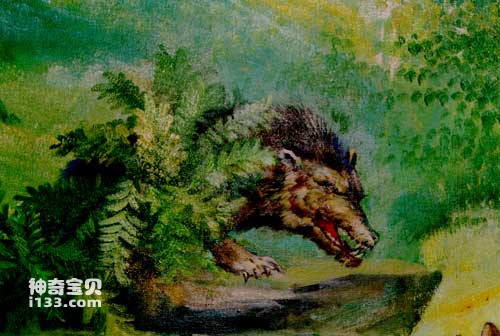
The evolution of carnivorous mammals
The history of carnivores can be traced back to protozoa hundreds of millions of years ago, when amoebas ate other single-celled organisms. Throughout the entire history of life, carnivores have continued to introduce new species along with the evolution of the entire biological world. At any...
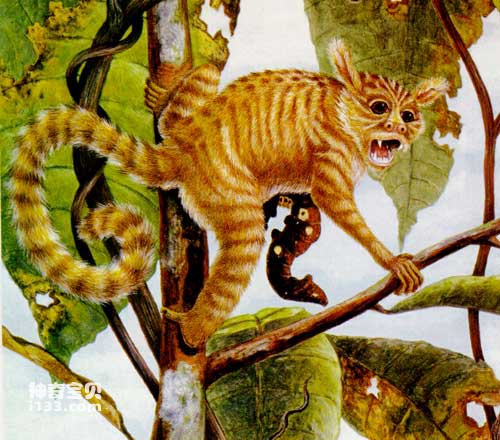
The great family of true beasts after the second great outbreak
During the period starting from the Eocene and continuing to the Oligocene, the ancestors of modern mammals stood out from certain species in the ancient mammal group, and based on this, the first evolution of mammals after entering the Cenozoic took place. Secondary adaptive radiation. As a...
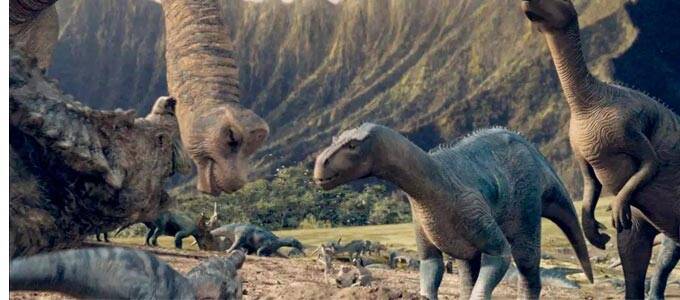
What did dinosaurs usually do_How did dinosaurs usually live?
1. Foraging The plants that herbivorous dinosaurs can eat are limited by their height, so some small herbivorous dinosaurs will stand on their hind limbs in order to eat high plant leaves. Carnivorous dinosaurs fed on herbivorous dinosaurs and other animals. The different...