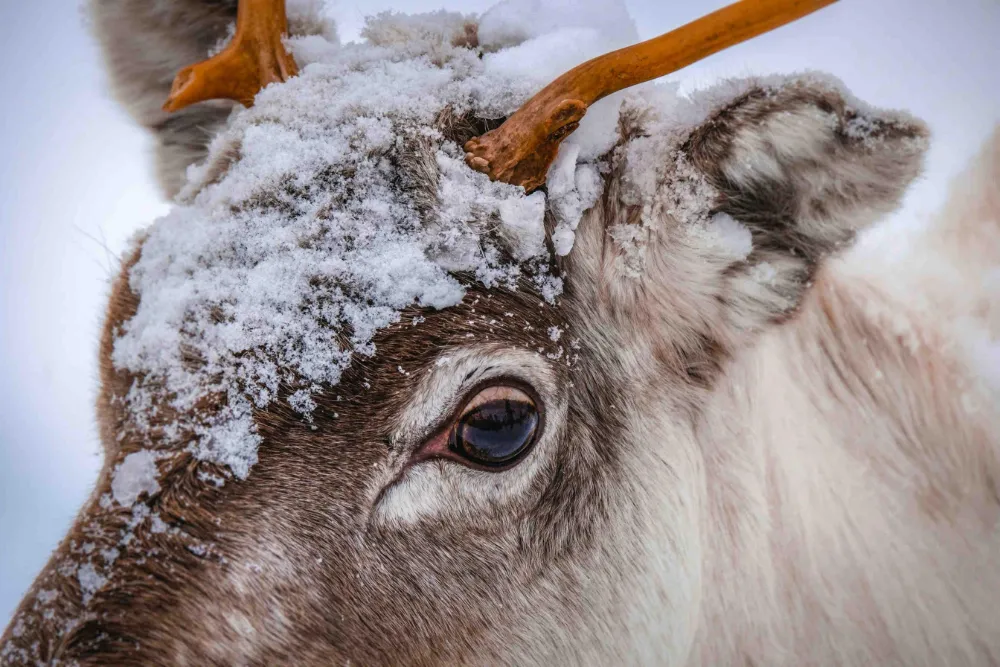
Why Do Reindeer Eyes Change Color?
Reindeer eyes change color because a reflective layer behind the retina, called the tapetum lucidum, changes with the seasons. In Arctic summer, this layer reflects mostly golden light. During winter, it becomes deep blue, helping the animal detect light in the dim Arctic environment. Researchers ha...
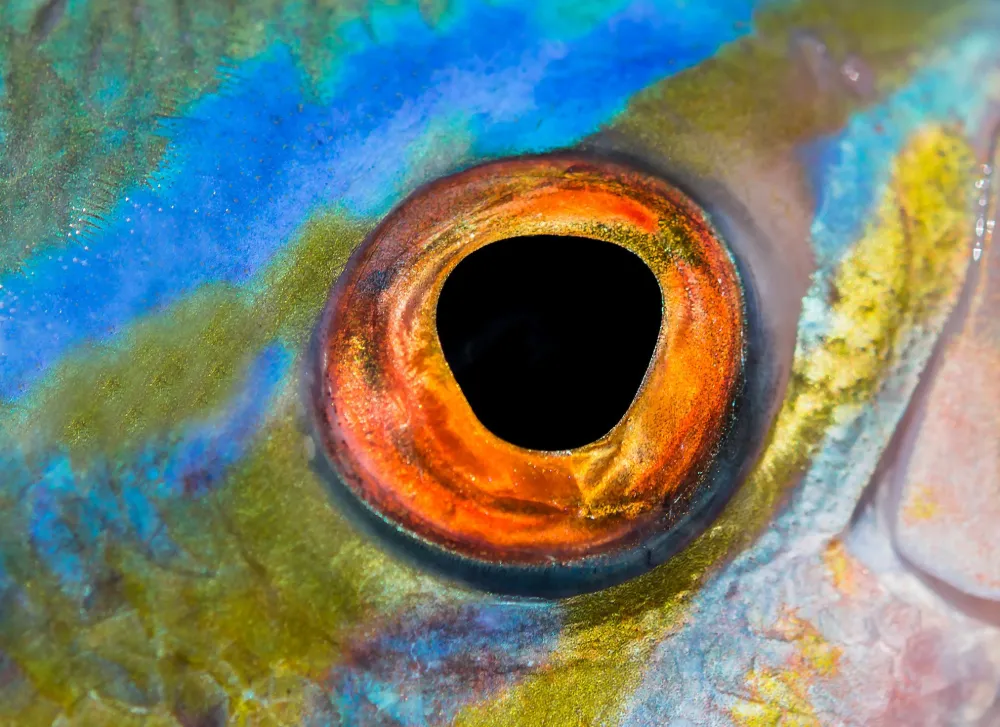
Can Fish See Water? How Fish Vision Really Works
Fish can see objects, particles, bubbles, light patterns, and boundaries in water, but they probably do not perceive uniformly clear water as a separate visible object. Just as humans normally look through clean air without noticing the air itself, fish see their surroundings through the water aroun...
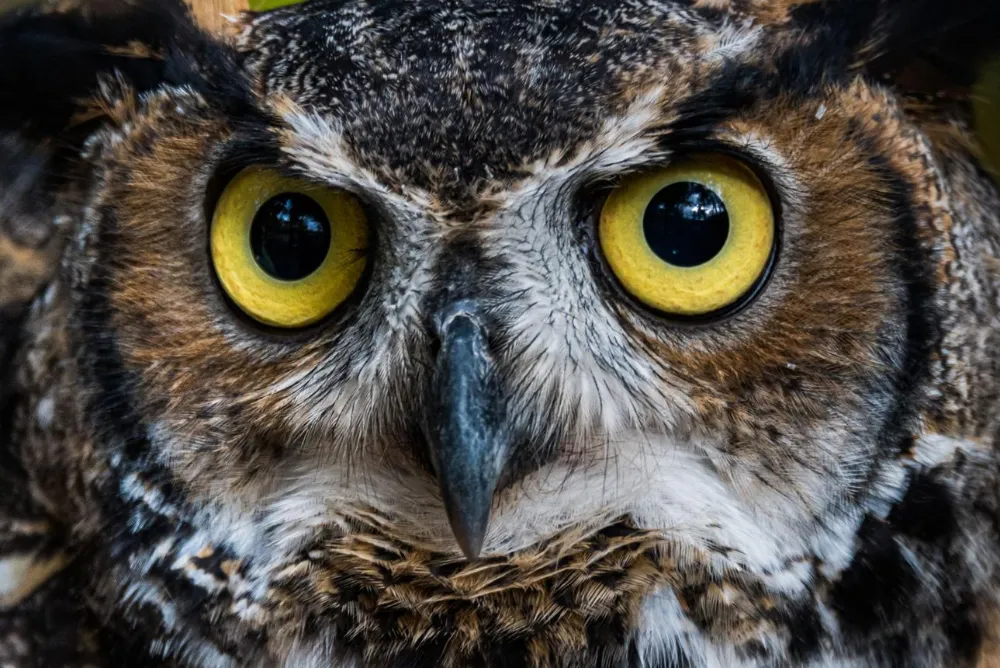
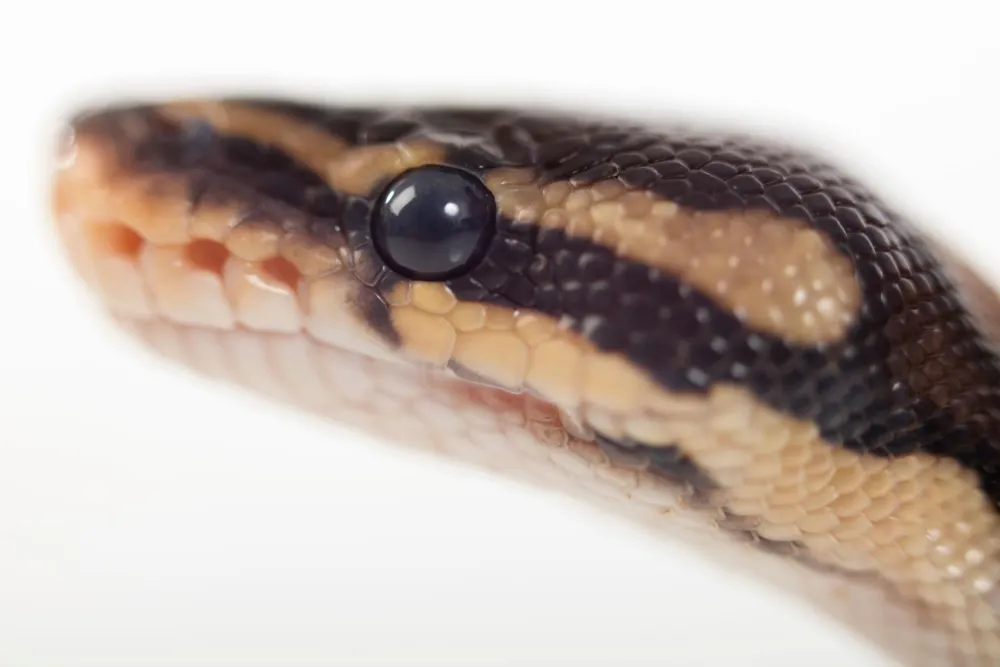
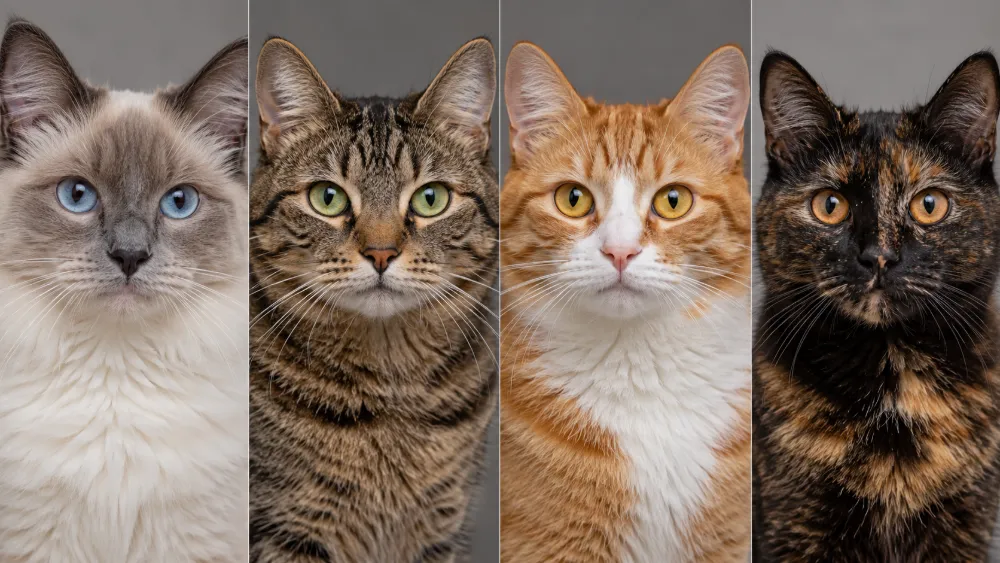
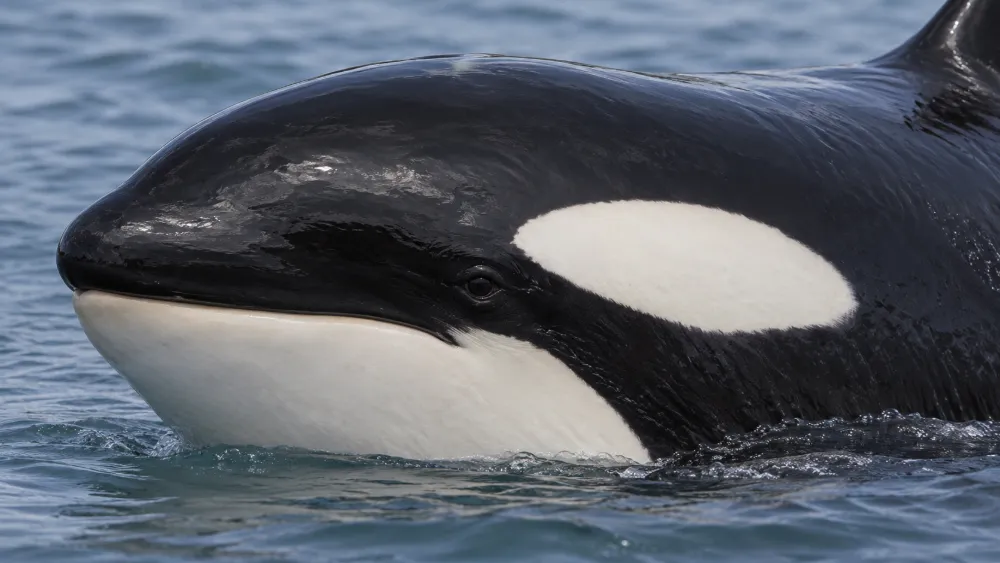

25+ Animals With Big Eyes (Names · Scientific Names · Key Facts)
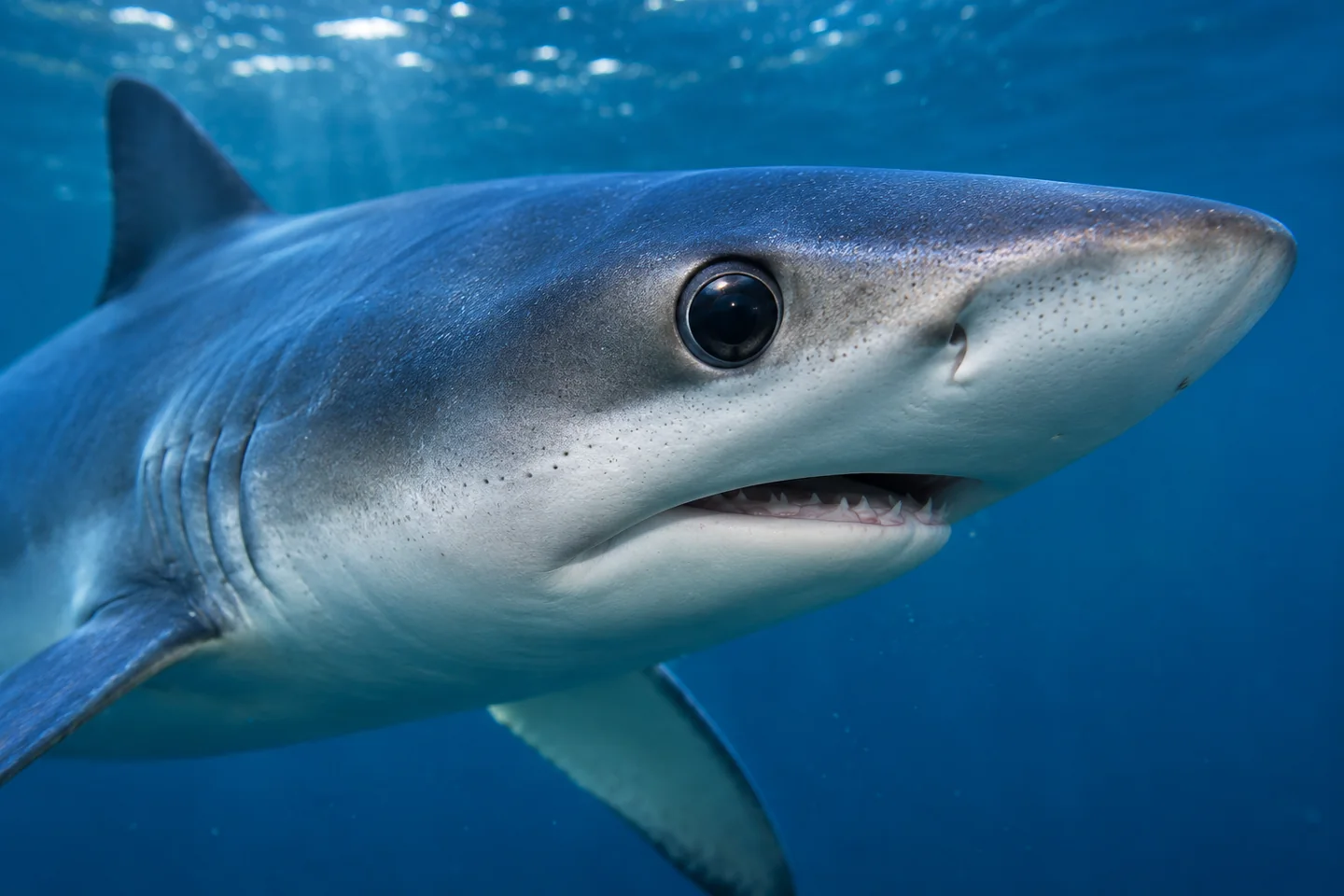
In many species, oversized eyes are a survival upgrade—supercharging night vision, widening fields of view, or pulling detail from dim, deep-sea light. Here’s a clean, copy-ready roundup of 25+ big-eyed animals, with scientific names and quick, publishable facts.Tarsier (Tarsius bancanus)Range: Lo...

what animal eyes glow green at night?
The phenomenon of animals’ eyes glowing in the dark, particularly with a greenish hue, is a fascinating display of nature's adaptation to the night. This glow, known as eyeshine, is caused by the tapetum lucidum, a layer of tissue in the eye that reflects light and improves night vision. While...

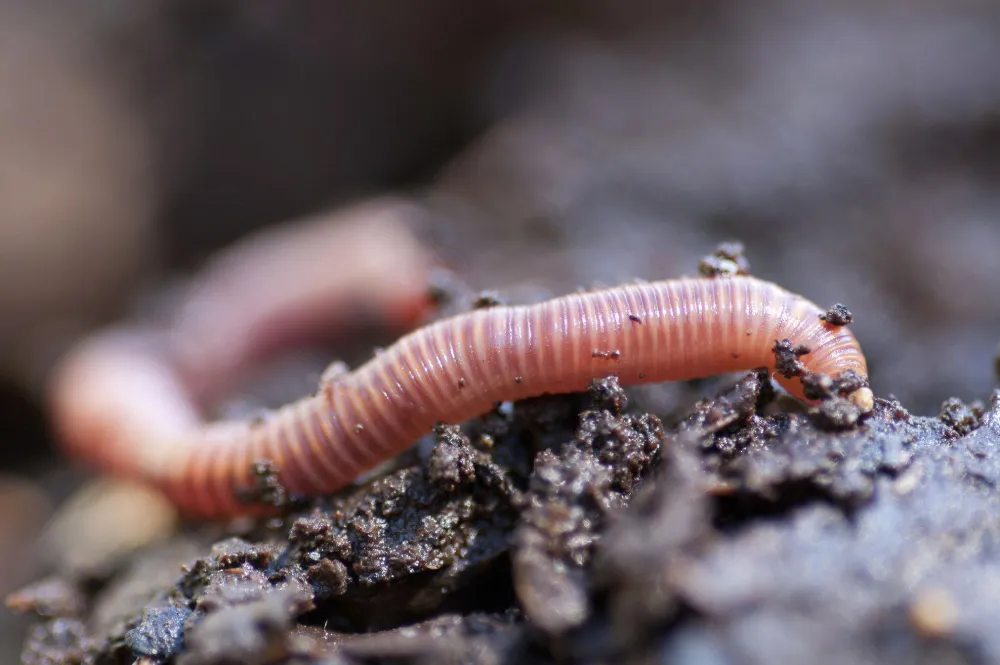
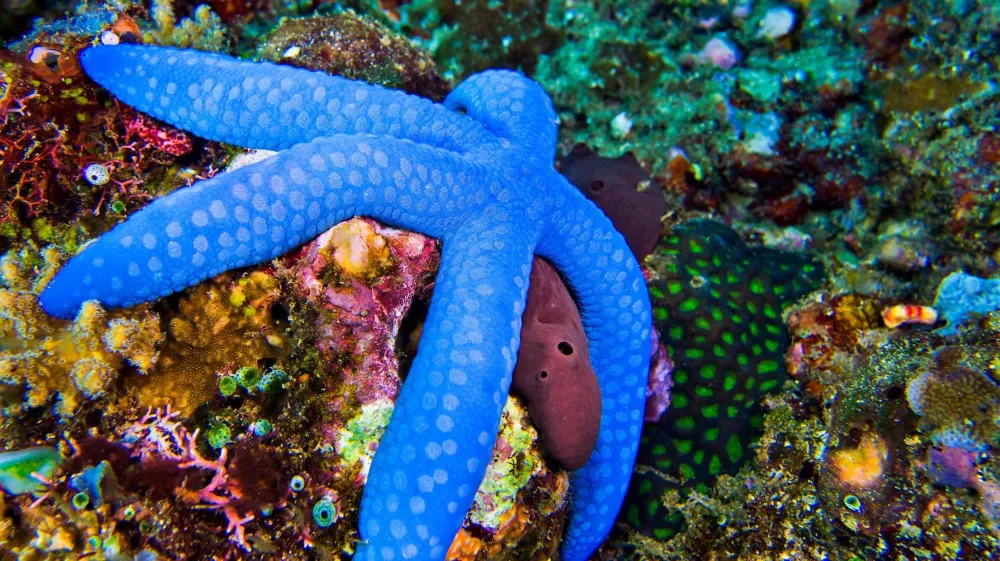
Animals Without Eyes: A Fascinating Look at Nature's Adaptations
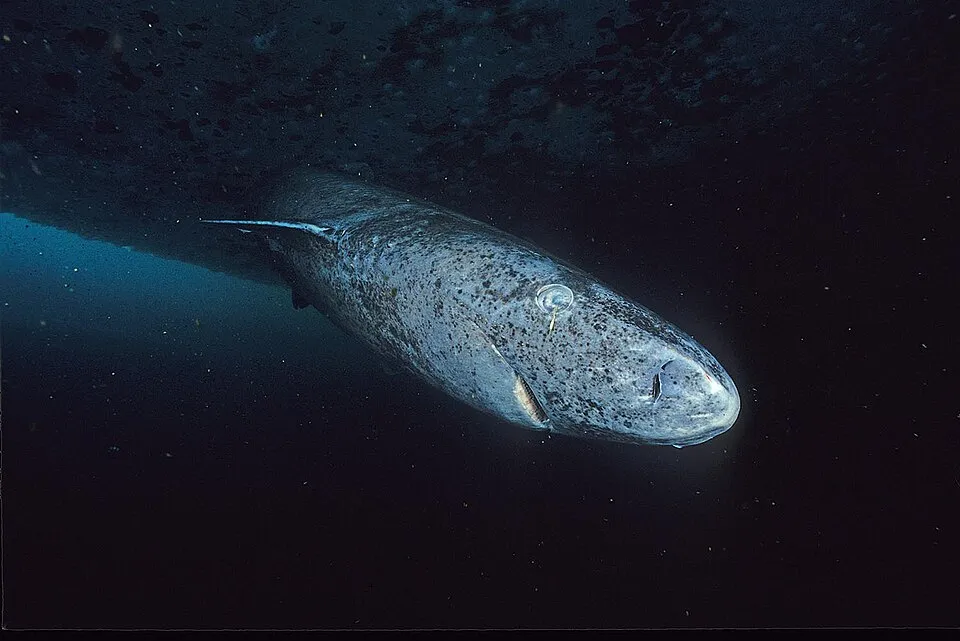
In the animal kingdom, some creatures thrive without the need for sight. These fascinating beings have adapted to their environments in remarkable ways, relying on other senses to navigate and survive. This article explores eyeless animals, dividing them into terrestrial and marine categories, highl...