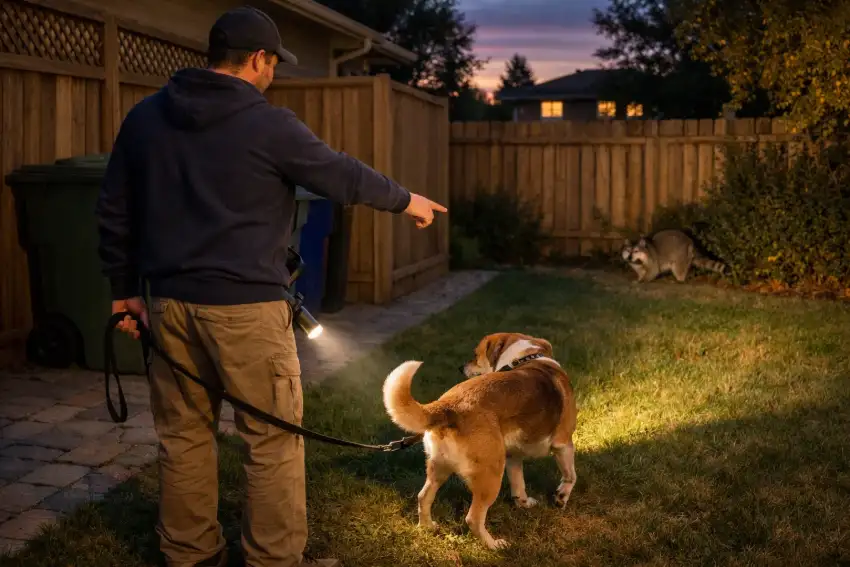
Are Raccoons Dangerous to Pets? How to Keep Your Dog or Cat Safe
Raccoons are common in many neighborhoods across the US and parts of Europe, especially anywhere there’s easy food—trash bins, outdoor pet bowls, compost piles, fruit trees, or even bird feeders. Most of the time raccoons avoid people, but they can be dangerous to pets in the right (or wrong) situ...

Heartworm, Fleas and Ticks: Protection Guide for Dogs in the US and Europe
Parasite prevention is one of the most important (and most confusing) parts of dog ownership. Heartworm, fleas, and ticks don’t just cause itchiness—they can lead to serious disease, expensive vet bills, and long-term health issues. To make it harder, risk varies a lot depending on where you live,...
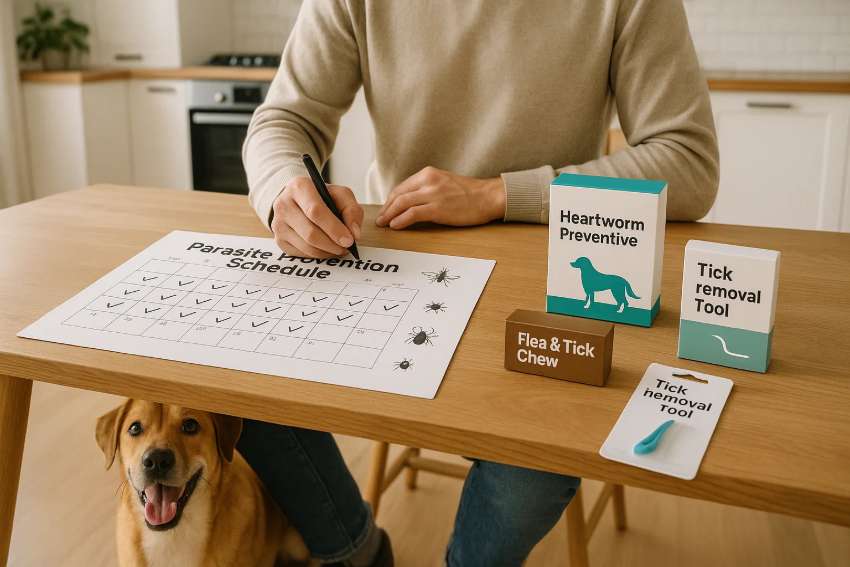
Heartworm, Fleas and Ticks: Protection Guide for Dogs in the US and Europe
Mosquitoes, fleas and ticks are more than just annoying bugs – they can transmit serious diseases to your dog, and in some cases to people as well. Whether you live in an apartment in New York or Berlin, or a rural area in Texas or Spain, your dog needs a year-round parasite protection plan that ac...
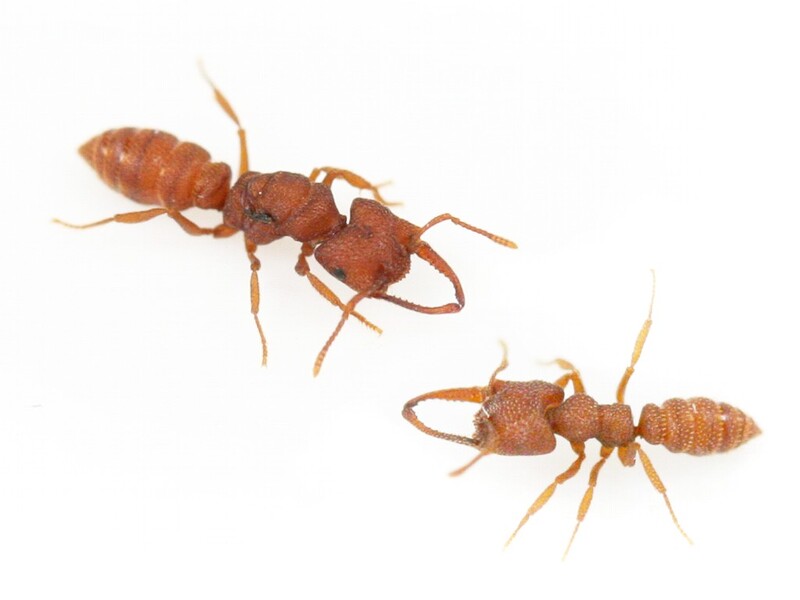
Top 10 most sensitive animals in the world
Untrained humans usually have a reaction time of 200 to 300 milliseconds, while humans blink at about 100 milliseconds. However, many animals are much faster than humans. Today, I have compiled a list of the top ten most responsive animals in the world, including Camilla ants, splay-necked spiders,...

How long can fleas survive without people and animals?
Fleas are parasitic insects that feed primarily on blood. Once a flea leaves its host (human or animal), its ability to survive will be subject to certain limitations. The following is a detailed introduction to the survival time of fleas after leaving people and animals: Survival t...
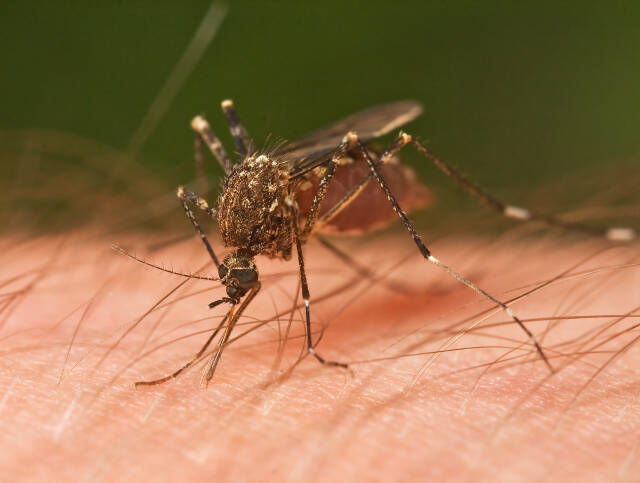
Ranking of the top ten blood-sucking animals in the world
Blood-sucking animals are animals that feed on the blood of other organisms. These animals usually pierce the host's skin through their mouthparts or other special organs, and then suck out the host's blood. Blood-sucking animals are diverse, including insects such as mosquitoes, fleas, lice,...