



The Best Low-Protein Raw Food Diets for Dogs with IRIS Stage 2 Kidney Disease
2026 expert review (what works, what’s risky, and what to check)Important medical note: This is educational information, not a prescription. Stage 2 CKD dogs vary a lot (proteinuria, blood pressure, body condition, appetite, phosphorus levels). Work with your veterinarian—ideally with a board-cert...
Wet vs Dry Cat Food: Pros, Cons and When to Use Each
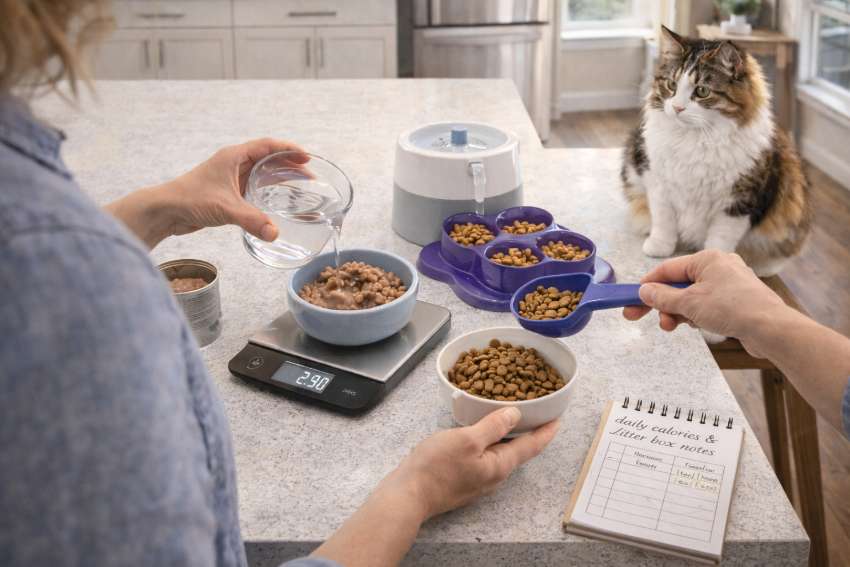
Choosing between wet and dry cat food can feel like a never-ending debate—especially when you’re trying to balance budget, convenience, your cat’s preferences, and long-term health. The truth is that both wet and dry foods can work well when they’re complete and balanced and fed in the right por...
Best Cat Food for Indoor Cats: Weight, Hairball and Urinary Health
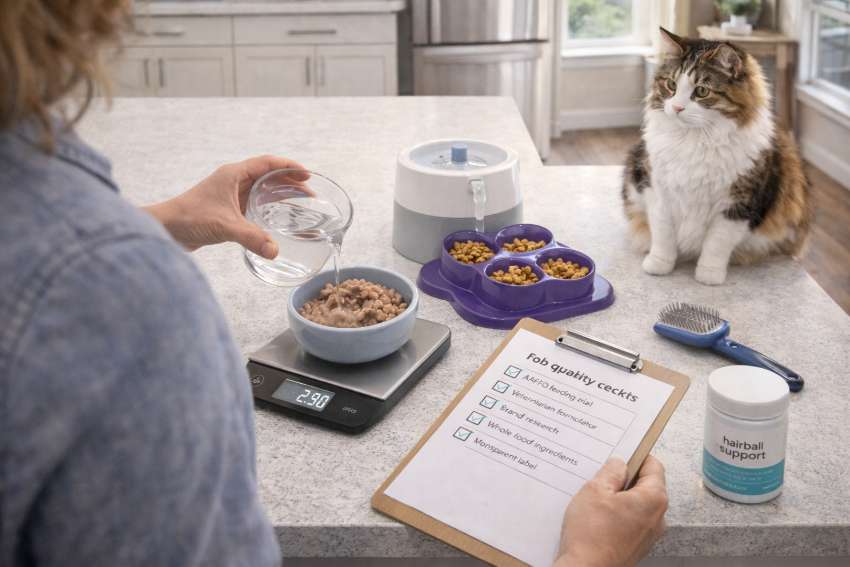
Indoor cats often live longer, safer lives—but they also face a different set of nutrition challenges. With fewer daily calories burned, it’s easy for weight to creep up. Grooming can lead to more hairballs. And urinary issues can show up quietly until they become urgent. The “best” indoor cat f...
Best Grain-Free vs Grain-Inclusive Dog Foods: What Do Vets Really Say?
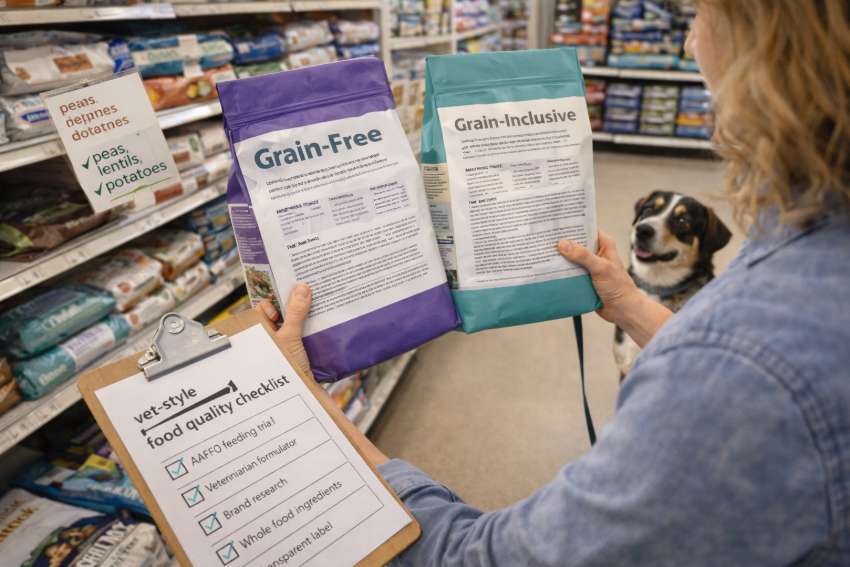
“Grain-free” dog food sounds like a healthier, cleaner choice—but many owners (and plenty of vets) have mixed feelings about it. Some dogs do great on grain-free diets. Others don’t need them at all. And there’s a very real reason vets have become more cautious over the last few years: concerns...
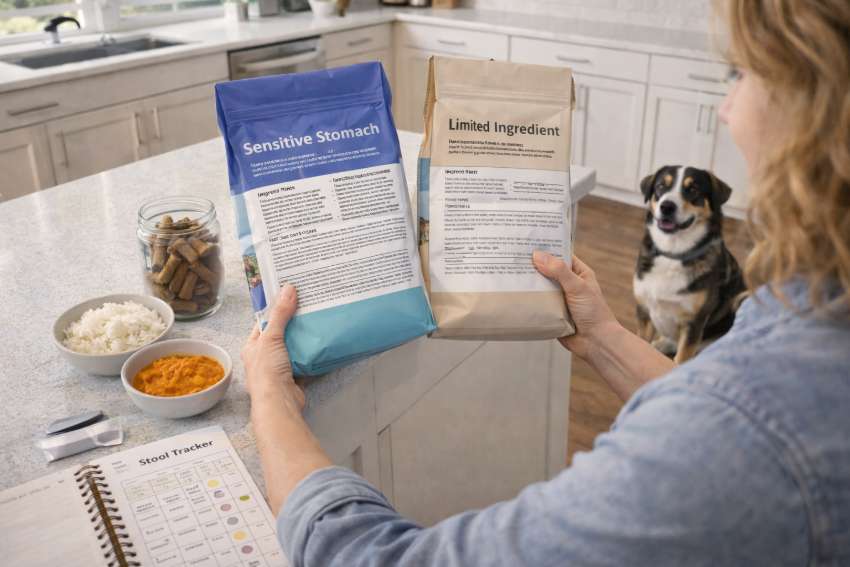
Best Dog Food for Sensitive Stomachs (With Common Ingredients to Avoid)
If your dog has a “sensitive stomach,” you’re probably living with some mix of loose stools, gassiness, occasional vomiting, or unpredictable appetite. It’s frustrating—especially because the pet food aisle (and the internet) makes it sound like there’s one perfect brand that fixes everything....
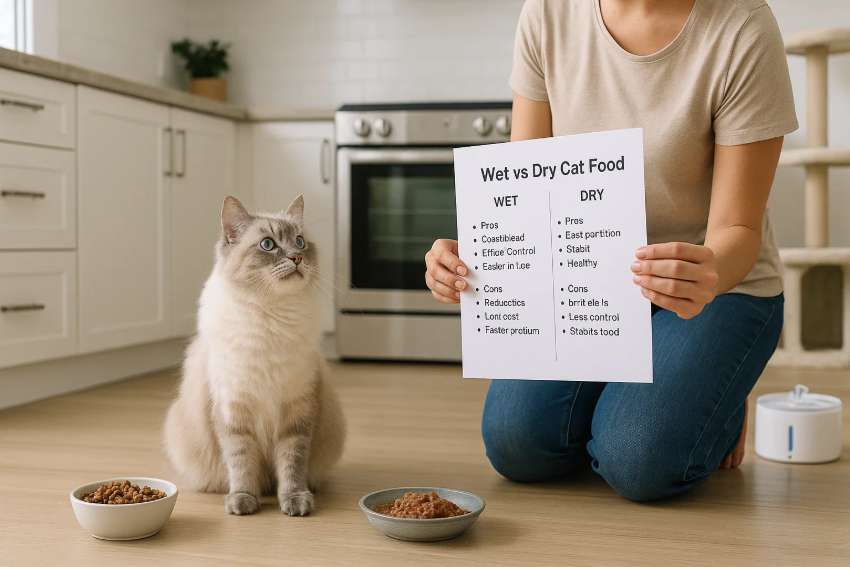
Wet vs Dry Cat Food: Pros, Cons and When to Use Each
Stand in any pet aisle in the US or Europe and you’ll see shelves of shiny cans, pouches and big bags of kibble. Every label insists it’s “complete and balanced”. But for indoor cats who spend most of their life on the sofa and at the food bowl, does it actually matter if you feed wet or dry?The...

Best Cat Food for Indoor Cats: Weight, Hairball and Urinary Health
Indoor cats live a very different life from outdoor hunters. They sleep more, move less, and spend their days between the sofa, the window and the food bowl. That cozy lifestyle is great for safety, but it also means more risk of weight gain, hairballs and urinary problems.The good news: choosing th...
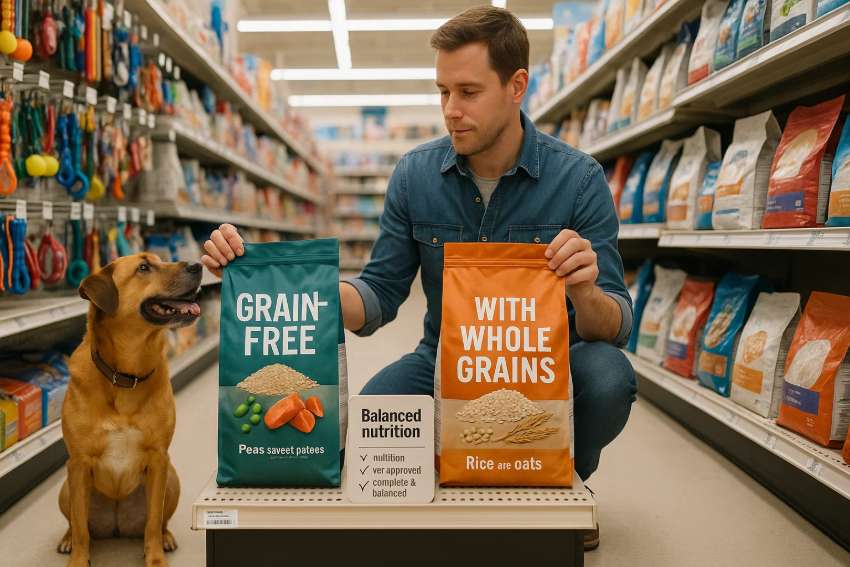
Best Grain-Free vs Grain-Inclusive Dog Foods: What Do Vets Really Say?
Walk down any pet food aisle in the US or Europe and you’ll see it everywhere: big “grain-free” labels, bags covered in peas and sweet potatoes, and other bags proudly showing “with wholesome whole grains”. It’s confusing – especially when you hear different opinions from friends, breeders an...

Best Dog Food for Sensitive Stomachs (With Common Ingredients to Avoid)
Some dogs can eat almost anything and seem fine. Others get soft stools, gas, vomiting or itchy skin every time their diet changes. If your dog has a sensitive stomach, choosing the right food can make the difference between daily messes and a happy, comfortable pet.This guide is for dog owners in t...
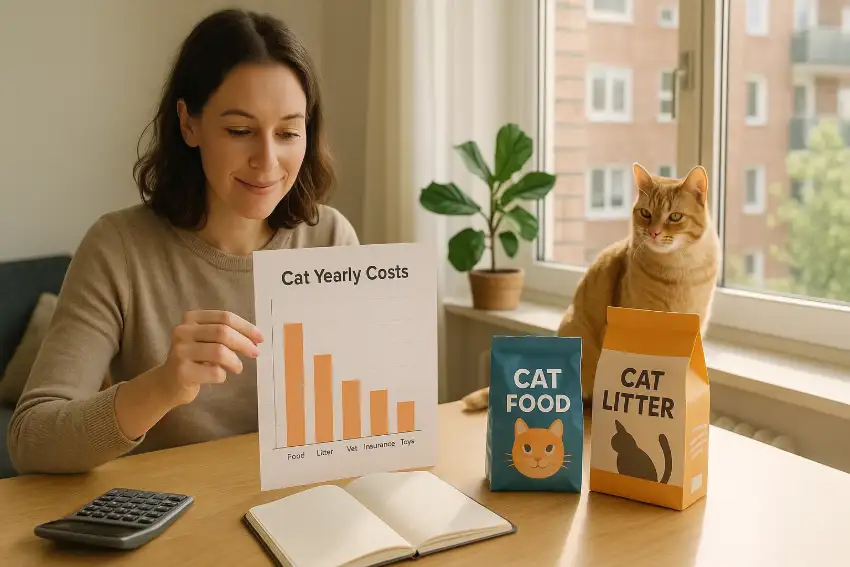
How Much Does a Cat Cost Per Year? Realistic Guide for US and European Owners
Cats are often seen as the “cheaper” pet compared to dogs – and in many cases that’s true. But in the US and Europe, an indoor cat can still cost a meaningful amount of money every single year: food, litter, vaccines, parasite prevention, vet bills and more.If you’re thinking about getting a ca...

How Much Does a Dog Cost Per Year? Realistic Breakdown for US and European Owners
Getting a dog in the US or Europe isn’t just an emotional decision – it’s also a long-term financial commitment. Food, vaccines, grooming, training, vet bills, pet sitting… over 10–15 years, the real cost of a dog can be much higher than the adoption or breeder fee.There is no single “correct”...

Best Dog Food for Different Life Stages: Puppy, Adult, Senior
A growing puppy, an active adult dog and a slow-moving senior all have very different needs. Yet in the US and Europe, many owners still feed the same food from puppyhood to old age, or switch randomly based on price and marketing.Choosing the right dog food for each life stage is one of the simples...