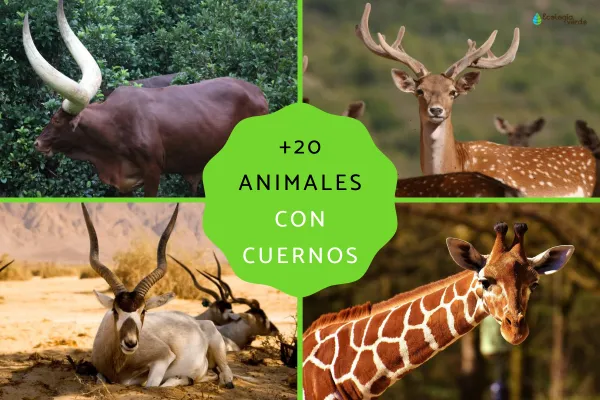
20+ Horned Animals: What Counts as a “Horn,” How They Differ from Antlers, and Flagship Species (wit
Many animals carry horn- or horn-like structures on the head. Some are weapons for defense or intraspecific combat, others help with display or even heat regulation. Shapes range from slim needles to sweeping scimitars or tight spirals. Below you’ll find what a true horn is (and isn’t), how it dif...

Styracosaurus
Was Styracosaurus a dinosaur?Yes. Styracosaurus was a true dinosaur, specifically a horned ceratopsian from the Late Cretaceous of North America.How big was Styracosaurus?Styracosaurus was about 5.5 to 5.8 meters long and likely weighed around 2.5 to 3 tonnes, although these figures are still estima...

Achelousaurus
Achelousaurus was a medium-sized horned dinosaur that lived in what is now Montana during the Late Cretaceous. It belonged to the centrosaurine branch of ceratopsians, a group known for deep skull frills, facial ornamentation, and beaked mouths adapted for plant-eating. Unlike some of its more famou...

Triceratops
Triceratops is one of the most iconic dinosaurs of all time. This large, three-horned herbivore lived in western North America during the Late Cretaceous and is famous for its massive skull, broad frill, and powerful horns.AppearanceTriceratops had a strong body, a parrot-like beak, and a large bony...
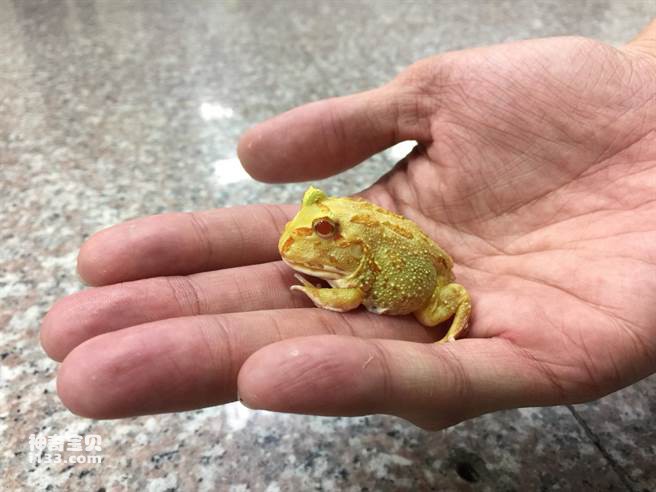
Do horned frogs have teeth?
The horned frog is an anuran amphibian, a type of frog. They are a group of ancient amphibians that typically have short, flat bodies, wide mouths and horn-like eyes, as well as strong hind limbs suitable for rapid movement in water and on land. As for whether horned frogs have teeth, it real...